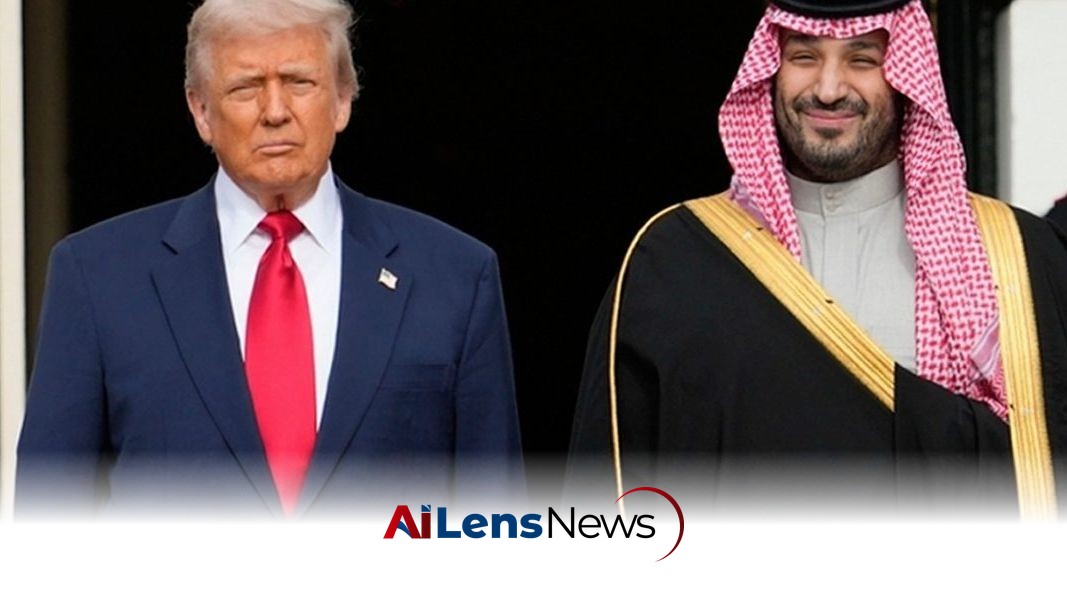


President Trump announced a pause in military strikes against Iran, citing a potential agreement involving Middle Eastern allies to reopen the Strait of Hormuz.
Washington DC, United States Aug 2, 2026 ALN: President Donald Trump, in a recent social media post on a Saturday evening, announced that Middle Eastern allies have reached the parameters of a potential deal aimed at bringing an end to the ongoing conflict with Iran. This proclamation comes amidst a backdrop of heightened tensions and military engagements that have characterized U.S.-Iran relations over the past several months. Trump indicated that he would postpone any new military strikes against Iran for the time being, highlighting a shift in strategy as diplomatic discussions gain momentum.
In his statement, Trump emphasized that the emerging agreement would entail the "Immediate, Complete, and Total OPENING OF THE HORMUZ STRAIT, and an end to Iran’s nuclear threat." The Strait of Hormuz is a strategically critical waterway through which a significant portion of the world's oil supply is transported. Any military action that threatens the security of this passage could have severe implications for global energy markets and international trade.
Trump elaborated on his decision to delay military action by stating, "Based on this request, I have agreed, for the future benefit of the WORLD and, likewise, the survival of a successful and prosperous Iran, to cancel the attack, subject to being able to rapidly make a DEAL." This statement reflects a broader U.S. strategy that seeks to balance military readiness with diplomatic efforts to de-escalate tensions in the region.
Notably, Trump mentioned that Israel has expressed its commitment to collaborate with the United States in pursuing this agreement with Iran, suggesting a unified front among U.S. allies in the region. The Israeli government has historically been wary of Iran's nuclear ambitions and its influence in the Middle East, making its involvement in negotiations particularly significant.
Earlier in the week, Saudi Crown Prince Mohammed bin Salman, who is viewed as the de facto leader of Saudi Arabia, engaged in a phone conversation with Trump to discuss the escalating situation. According to sources familiar with the discussion, the Crown Prince expressed concerns regarding the potential for the U.S. to escalate military actions against Iran. The apprehension stems from fears that aggressive U.S. military operations could provoke retaliatory strikes from Iran, particularly targeting Saudi Arabia and other Gulf nations' energy infrastructure.
During the call, the Crown Prince sought clarification from Trump on the nature of any potential new military actions being considered against Iran. This highlights the delicate balance that U.S. allies in the region must navigate, as they weigh their own security concerns against the broader implications of U.S. military strategy.
A White House official confirmed the conversation between Trump and the Crown Prince but refrained from providing specific details about the discussion's content. This lack of transparency is not uncommon in diplomatic communications, particularly when sensitive security issues are at stake.
In a show of military solidarity, Saudi Arabia had earlier coordinated with the U.S. to conduct strikes on multiple logistics and weapons sites utilized by Iranian-backed militias in Iraq. However, the Kingdom has also been vocal in urging both the U.S. and Iran to return to the negotiating table to seek a resolution to the ongoing conflict, indicating a desire for stability in the region.
Furthermore, the Crown Prince dispatched his brother, Saudi Defense Minister Khalid bin Salman, to Washington for separate discussions with Trump and Vice President JD Vance regarding strategies related to Iran. This indicates a proactive approach by Saudi Arabia to influence U.S. policy and ensure that its interests are represented in any potential agreements.
The stakes surrounding U.S. military action against Iran are particularly high for Trump and the Republican Party, especially with critical midterm elections approaching in November. The conflict has garnered significant public scrutiny, with many Americans expressing discontent over prolonged military engagements abroad. The potential for military escalation could further complicate Trump’s political landscape as voters weigh their opinions on foreign policy.
Trump has previously articulated a desire to retaliate against Iran following a thwarted surprise attack on a U.S. base in Jordan. In a statement to reporters, he expressed a determination to achieve victory in Iran, asserting that the U.S. would respond "very hard" until Iran can no longer sustain its military actions. This rhetoric underscores the administration's commitment to a strong military posture while simultaneously pursuing diplomatic avenues.
White House Press Secretary Karoline Leavitt has also expressed frustration regarding Iran's actions, particularly following a memorandum of understanding signed with the U.S. that was quickly undermined by Iranian aggression, including attacks on commercial shipping and the loss of American lives. This sentiment reflects a growing frustration within the U.S. government regarding Iran's perceived violations of international agreements.
In light of the escalating tensions with Iran, the U.S. State Department issued new security alerts for American citizens traveling in ten countries across the region, including Bahrain, Israel, Iraq, Jordan, Kuwait, Lebanon, Oman, Qatar, Saudi Arabia, and the United Arab Emirates. The alerts urged U.S. citizens to exercise heightened caution and prepare for potential disruptions such as flight cancellations and temporary airspace closures.
The issuance of these security alerts serves as a reminder of the fragility of the situation and the potential for rapid changes in the security landscape. As the U.S. navigates its military and diplomatic strategies, the implications of its actions will undoubtedly resonate throughout the Middle East and beyond, influencing not only regional dynamics but also global economic conditions.
As the situation continues to unfold, the international community remains watchful of the developments surrounding the U.S.-Iran conflict, particularly as diplomatic efforts are weighed against military options. The outcome of these discussions could have far-reaching consequences for U.S. foreign policy, regional stability, and the broader geopolitical landscape in the years to come.
To learn more about the latest developments in Elections, stay updated with our exclusive reports and analyses on AiLensNews.

