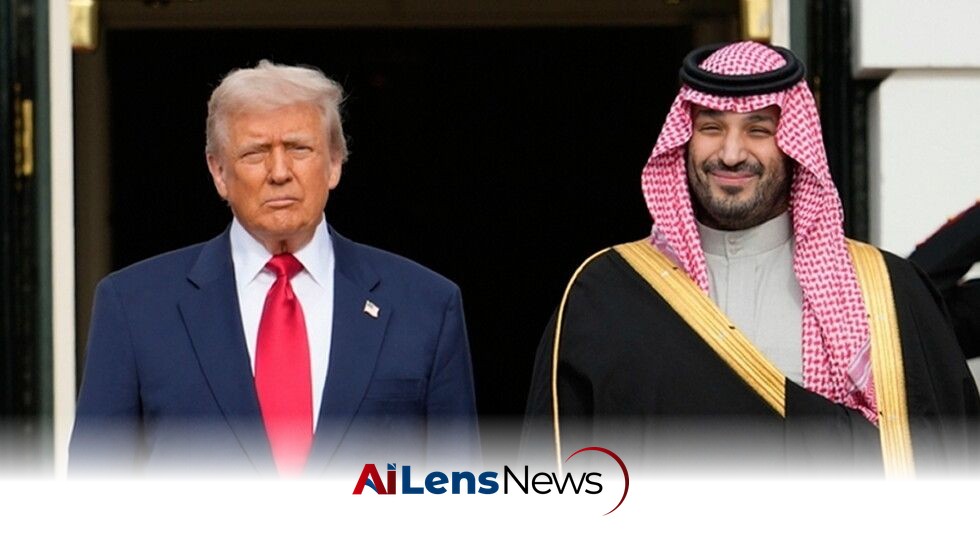


President Donald Trump announced that Middle Eastern allies have outlined a potential agreement to conclude the ongoing Iran war, stating that he will refrain from ordering new military strikes for the time being.
Washington DC, United States Aug 2, 2026 ALN: In a significant development regarding the ongoing conflict in the Middle East, President Donald Trump has claimed that allies in the region have reached the outlines of a deal aimed at ending the war with Iran. During a press briefing, Trump emphasized that he would hold off on ordering any new military strikes in the five-month-old conflict, indicating a potential shift in U.S. military strategy.
While specifics of the deal remain scarce, Trump expressed optimism about the negotiations, suggesting that the parameters set forth by U.S. allies could lead to a peaceful resolution. The President noted that discussions have been ongoing and that there is a mutual interest in stabilizing the region. The ambiguity surrounding the details of the proposed deal highlights the complexity of negotiations in the Middle East, where multiple actors with varying interests are involved. The potential agreement could involve a range of issues, including Iran's nuclear program, its support for proxy groups across the region, and its ballistic missile development.
The Iranian nuclear program has been a focal point of international concern for over a decade. Following the 2015 Joint Comprehensive Plan of Action (JCPOA), which aimed to limit Iran's nuclear capabilities in exchange for sanctions relief, tensions have remained high, especially after the U.S. withdrawal from the agreement in 2018. This led to a series of escalations, including Iran's resumption of uranium enrichment and increased regional hostilities.
Moreover, Iran’s support for proxy groups, such as Hezbollah in Lebanon and various militias in Iraq and Syria, has been a point of contention for many countries in the region, particularly for Israel and Saudi Arabia. The Iranian government's backing of these groups has been perceived as a direct threat to the stability of neighboring nations and a challenge to U.S. interests in the region. The proposed deal, therefore, may need to address these multifaceted issues to gain traction and support from all involved parties.
Trump's announcement has been met with mixed reactions from regional leaders. Some have welcomed the prospect of peace talks, while others remain skeptical about Iran's commitment to de-escalation. Saudi Arabia's Crown Prince Mohammed bin Salman, who met with Trump recently, has been a key player in these discussions, advocating for a unified approach to counter Iran's influence. Other regional powers, such as the United Arab Emirates and Egypt, have also expressed cautious optimism about the potential for a diplomatic solution, recognizing the need for stability in a region plagued by conflict.
However, skepticism remains high among certain factions. Iran's leadership has historically been resistant to external pressure and has accused the U.S. of meddling in its affairs. The Iranian government has also emphasized its sovereignty and the need for respect in any negotiations. This skepticism is compounded by past experiences where diplomatic overtures have failed to yield lasting agreements, leading to a cycle of mistrust and conflict. For instance, the aftermath of the JCPOA has illustrated the fragility of agreements in the face of shifting political landscapes and unilateral actions by major powers.
The U.S. has maintained a significant military presence in the Middle East, particularly in response to Iran's activities. This presence includes naval forces in the Persian Gulf and military bases in countries such as Iraq, Kuwait, and Qatar. Trump's decision to pause new strikes could signal a shift in U.S. foreign policy, focusing more on diplomacy rather than military intervention. This comes at a time when tensions have escalated in the Strait of Hormuz, a critical shipping lane for oil exports, where several incidents involving Iranian forces and commercial vessels have raised alarms about maritime security.
The U.S. military's role in the region has been a point of contention both domestically and internationally. Critics argue that prolonged military engagement has not effectively curtailed Iran's influence and has instead fueled anti-American sentiment. In contrast, proponents of a strong military presence argue that it serves as a deterrent against Iranian aggression and provides stability in a volatile region. The debate surrounding U.S. military involvement reflects broader questions about the effectiveness of interventionist policies and their long-term impacts on regional dynamics.
If successful, the proposed deal could have far-reaching implications for U.S. relations in the Middle East and could potentially reshape the geopolitical landscape. Analysts suggest that a resolution to the Iran conflict could pave the way for improved relations between Israel and Arab nations, fostering a more stable environment in the region. Such a shift could also influence the dynamics of the broader Middle East peace process, as Arab states may be more inclined to engage with Israel if they perceive a reduction in Iranian threats.
Furthermore, a successful diplomatic resolution could enhance the U.S.'s standing in the region, showcasing its ability to broker peace and stabilize conflicts. This could also have implications for U.S. relations with allies and adversaries alike, potentially leading to a recalibration of alliances and partnerships based on the evolving security landscape. The potential for a more cooperative regional framework could also encourage greater economic collaboration among Middle Eastern nations, which have historically been hindered by conflict and rivalry.
However, the path to achieving a comprehensive agreement will likely be fraught with challenges. Key issues such as Iran's nuclear ambitions, its support for militant groups, and its regional activities will need to be addressed in any negotiations. The potential for domestic opposition within Iran, as well as resistance from hardliners who oppose any form of compromise with the West, could complicate the situation further. The internal political dynamics in Iran, particularly in the context of the upcoming elections, could influence the government's willingness to engage in meaningful negotiations.
As the situation develops, the international community will be closely monitoring the outcomes of these negotiations. Trump's willingness to halt military actions may open new avenues for dialogue, but the effectiveness of these efforts remains to be seen. The stakes are high, as the potential for either a successful diplomatic resolution or a continuation of hostilities could significantly impact not only the Middle East but also global security and economic stability.
In this context, the role of international organizations and other nations, including European powers and Russia, could become increasingly important as they seek to mediate and support the peace process. The coming weeks and months will be crucial in determining whether the outlines of a deal can be translated into a tangible agreement that addresses the myriad complexities of the Iran conflict and contributes to a more stable and peaceful Middle East. The involvement of multiple stakeholders, including China and other global powers, could also reshape the negotiations, as they have their own interests in the region and may seek to influence the outcome in ways that align with their strategic goals.
To learn more about the latest developments in Elections, stay updated with our exclusive reports and analyses on AiLensNews.

