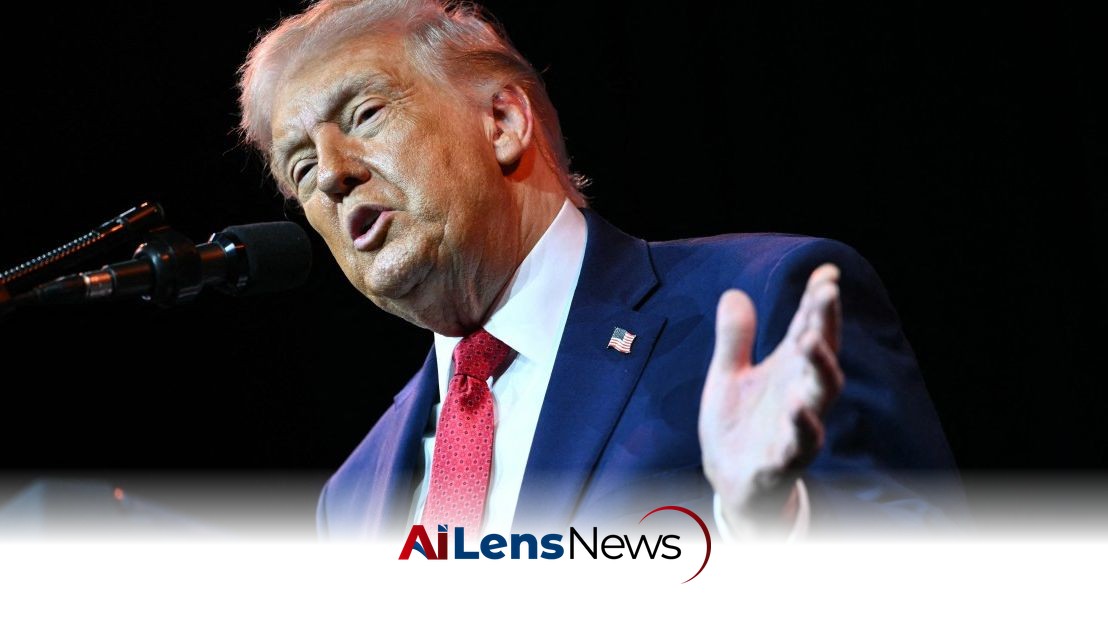


Donald Trump blames Minnesota Governor Tim Walz for recent cyberattacks on water systems, despite evidence pointing to Iranian involvement.
Washington DC, United States Aug 1, 2026 ALN: The recent cyberattacks targeting Minnesota's water systems have raised significant concerns among federal agencies, cybersecurity experts, and state officials. As the FBI, the Environmental Protection Agency (EPA), and the Cybersecurity and Infrastructure Security Agency (CISA) investigate these incidents, there is a growing sentiment among experts that Iran may be involved. However, no official statements have directly implicated Iran, leaving room for speculation and political maneuvering.
Former President Donald Trump has taken a controversial stance on the matter, shifting the blame from foreign actors to Minnesota's Governor, Tim Walz. Trump publicly stated, "I don’t think there was an Iranian cyberattack," a claim that runs counter to the assessments provided by federal intelligence agencies. This assertion not only reflects Trump's long-standing contentious relationship with Walz but also highlights the political implications of cybersecurity incidents in the current climate.
The FBI's warning about the escalation of cyberattacks on American infrastructure underscores the seriousness of the situation. The coordinated attacks on at least 30 community water systems in Minnesota suggest a level of sophistication and planning that points to a potentially state-sponsored effort. The CISA has previously linked similar cyber incidents to Iranian actors, which has raised alarms about the vulnerability of critical infrastructure in the United States.
The implications of these cyberattacks extend beyond mere technical disruptions. Water systems are essential for public health and safety, and any compromise of these systems can lead to dire consequences for communities. The fact that such attacks are becoming more frequent and widespread raises questions about the overall security posture of American infrastructure. Cybersecurity experts warn that as geopolitical tensions rise, adversaries like Iran may increasingly resort to cyber warfare as a means of retaliation or disruption.
Iran's history of engaging in cyber operations against the United States is well-documented. Following the imposition of sanctions and military actions, Iran has developed a robust cyber capability, often targeting critical infrastructure as a form of asymmetric warfare. This strategy allows Iran to exert influence and demonstrate its capabilities without engaging in traditional military conflict, which could lead to devastating consequences for both sides. The Iranian government has been known to utilize cyber operations to retaliate against perceived threats and to assert its power in the region, making it a significant player in the realm of cyber warfare.
Trump's remarks about Governor Walz are part of a broader narrative that has characterized his administration's approach to governance and political dissent. Throughout his presidency, Trump has often targeted Democratic governors and mayors, particularly in states where he faced political opposition. This dynamic has been evident in his responses to various crises, including the COVID-19 pandemic, protests against racial injustice, and now, cybersecurity threats. His tendency to politicize events can complicate the public's understanding of critical issues, such as national security and infrastructure protection.
In the past, Trump has threatened to invoke the Insurrection Act to address civil unrest, particularly during a surge of Immigration and Customs Enforcement (ICE) enforcement actions in Minnesota. His rhetoric often paints state leaders as failing to protect their citizens, which can serve to rally his political base while simultaneously undermining the credibility of his opponents. By shifting the narrative from a potential foreign threat to a domestic political figure, Trump seeks to recast the conversation in a way that aligns with his political objectives, often at the expense of nuanced understanding and bipartisan cooperation.
The political implications of these cyberattacks and subsequent discourse are significant. For Governor Walz, the accusations from Trump could complicate his position as he navigates the challenges of securing Minnesota's infrastructure while addressing public safety concerns. The governor's response will likely involve balancing the need for transparency with the imperative to maintain public trust in the state's ability to protect its critical systems. Walz's administration may need to enhance communication with both the public and federal agencies to ensure that citizens feel informed and secure amid rising cybersecurity threats.
Furthermore, the ongoing investigations by the FBI, EPA, and CISA will likely yield insights into the nature of the attacks and their origins. As the situation develops, there may be calls for increased funding and resources to bolster cybersecurity measures across the nation. Lawmakers may also face pressure to address the broader implications of cyber warfare and the need for a comprehensive strategy to protect critical infrastructure from foreign adversaries. This could include legislative initiatives aimed at enhancing cybersecurity protocols, increasing collaboration between state and federal agencies, and investing in technology that can better defend against cyber threats.
In conclusion, the recent cyberattacks on Minnesota's water systems have sparked a complex interplay of cybersecurity concerns, political rhetoric, and public safety issues. While the potential involvement of Iran remains a topic of discussion among experts, Trump's accusations against Governor Walz exemplify how political narratives can shape public perception in the face of serious threats. As federal agencies continue their investigations, the implications for national security and state governance will be closely watched by both political leaders and the public alike. The outcome of these investigations may not only influence the future of cybersecurity policy in the U.S. but also impact the political landscape as leaders respond to the challenges posed by both domestic and foreign threats.
To learn more about the latest developments in Political Controversies, stay updated with our exclusive reports and analyses on AiLensNews.

