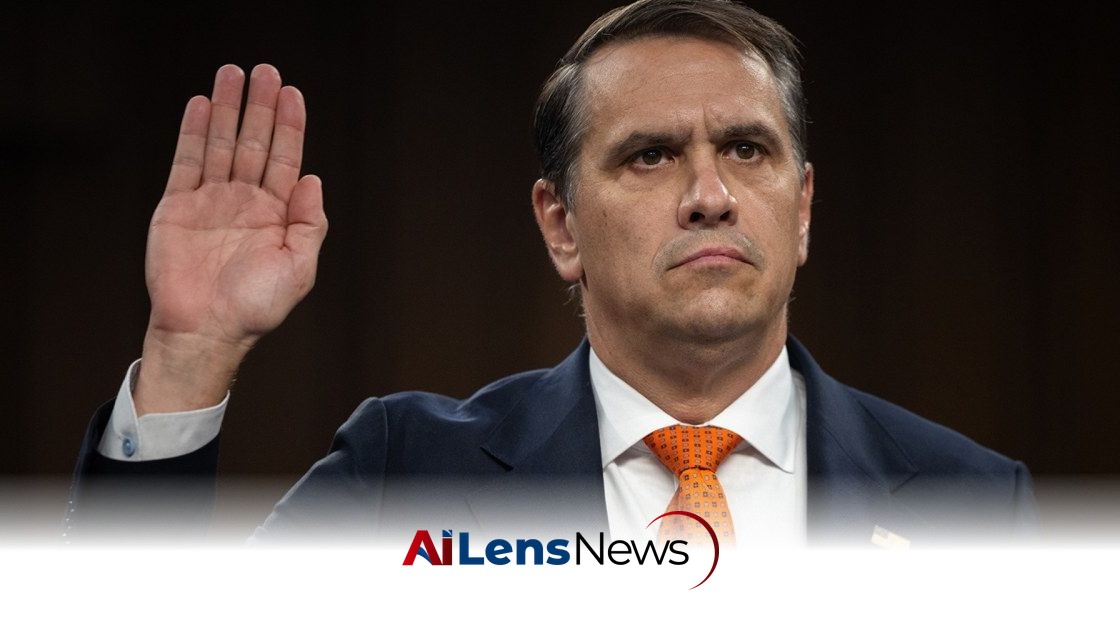


Acting Attorney General Todd Blanche, nominated by President Trump, encountered rigorous bipartisan scrutiny on the first day of his confirmation hearing.
Washington DC, United States Jul 16, 2026 ALN: Acting Attorney General Todd Blanche, who has been nominated by President Donald Trump for the permanent position, faced intense bipartisan questioning from lawmakers during the first day of his confirmation hearing. The session was marked by a series of challenging inquiries regarding his close relationship with the president.
Throughout the hearing, Blanche was pressed on whether he would act independently or simply serve as a "yes man" for Trump. In response, he firmly stated that he is not beholden to the president, emphasizing his commitment to uphold the integrity of the office. This assertion is particularly significant given the historical context in which the role of Attorney General is expected to function, serving as a key figure in the enforcement of federal law and the protection of civil rights.
Several key issues emerged during the questioning, reflecting deep concerns among lawmakers about the Attorney General's role in a politically charged environment:
Lawmakers from both parties expressed concerns about Blanche's ability to remain impartial, given his close ties to Trump. Some Democrats voiced skepticism, suggesting that his nomination could further politicize the Department of Justice, while Republicans generally supported his nomination, citing his qualifications and experience. This division reflects broader partisan tensions surrounding the role of the Justice Department and its perceived independence from political influence.
The concerns about politicization are not unfounded; previous Attorneys General have faced scrutiny over their decisions, particularly when those decisions aligned closely with the interests of the sitting president. The fear among some lawmakers is that Blanche's relationship with Trump could lead to a scenario where legal decisions are made not on the basis of justice, but rather political expediency, undermining the foundational principles of the Department of Justice.
As the hearing progressed, Blanche reiterated his commitment to justice and the rule of law, aiming to reassure lawmakers and the public of his intentions. His repeated emphasis on integrity and independence was likely an attempt to quell fears that his relationship with Trump would compromise his ability to serve impartially. This insistence on his ethical framework is crucial in a time when public trust in governmental institutions is often questioned.
The Attorney General serves as the head of the U.S. Department of Justice and is responsible for overseeing the enforcement of federal laws. This position has historically been crucial in maintaining the rule of law and ensuring that justice is administered fairly and without bias. The Attorney General also plays a significant role in high-stakes legal matters, including civil rights, national security, and criminal prosecutions.
The independence of the Attorney General is vital in maintaining public trust in the legal system. Past controversies involving Attorneys General have raised questions about the extent to which political considerations influence legal decisions. For example, the tenure of Attorney General William Barr was marked by numerous allegations of partisanship, particularly concerning the handling of investigations related to the Trump administration. As a result, nominees for this position are often scrutinized closely regarding their ability to separate their duties from political pressures.
In recent years, the role of Attorney General has evolved, with increasing public scrutiny and expectations for accountability. The position has become a focal point in discussions about civil rights and justice reform, especially in light of movements advocating for systemic changes in law enforcement practices. As such, Blanche's nomination comes at a time when the expectations for the Attorney General's role extend beyond mere legal enforcement to encompass broader social justice issues.
The confirmation process is expected to continue over the coming weeks, with additional hearings scheduled. Blanche's responses will likely play a crucial role in determining whether he secures the position permanently. The outcome of this process could have far-reaching implications for the Department of Justice and its operations, particularly in how it addresses politically sensitive issues.
Should Blanche be confirmed, his leadership could shape the Department's priorities and strategies, particularly in areas such as immigration enforcement, criminal justice reform, and civil rights protections. His stance on these issues will be closely monitored, as they are not only significant legal matters but also touch upon the broader societal values and priorities of the current administration.
Conversely, if he is not confirmed, it may lead to a prolonged vacancy in the position, which could hinder the Department's ability to function effectively during a critical time. The absence of a permanent Attorney General could create uncertainty within the Department, complicating the enforcement of laws and the administration of justice. Additionally, it might delay important initiatives aimed at reforming the justice system, which have been a point of contention in recent political discourse.
In conclusion, Todd Blanche's first day of questioning highlighted significant concerns regarding his independence and qualifications, setting the stage for a contentious confirmation process. As lawmakers continue to evaluate his suitability for the role, the discussions surrounding his nomination will likely reflect broader national conversations about the integrity of the justice system and the importance of maintaining an independent judiciary free from political influence. The outcome of this hearing could very well influence not only the Department of Justice's immediate future but also the public's perception of its role in American democracy.
To learn more about the latest developments in Political Controversies, stay updated with our exclusive reports and analyses on AiLensNews.

