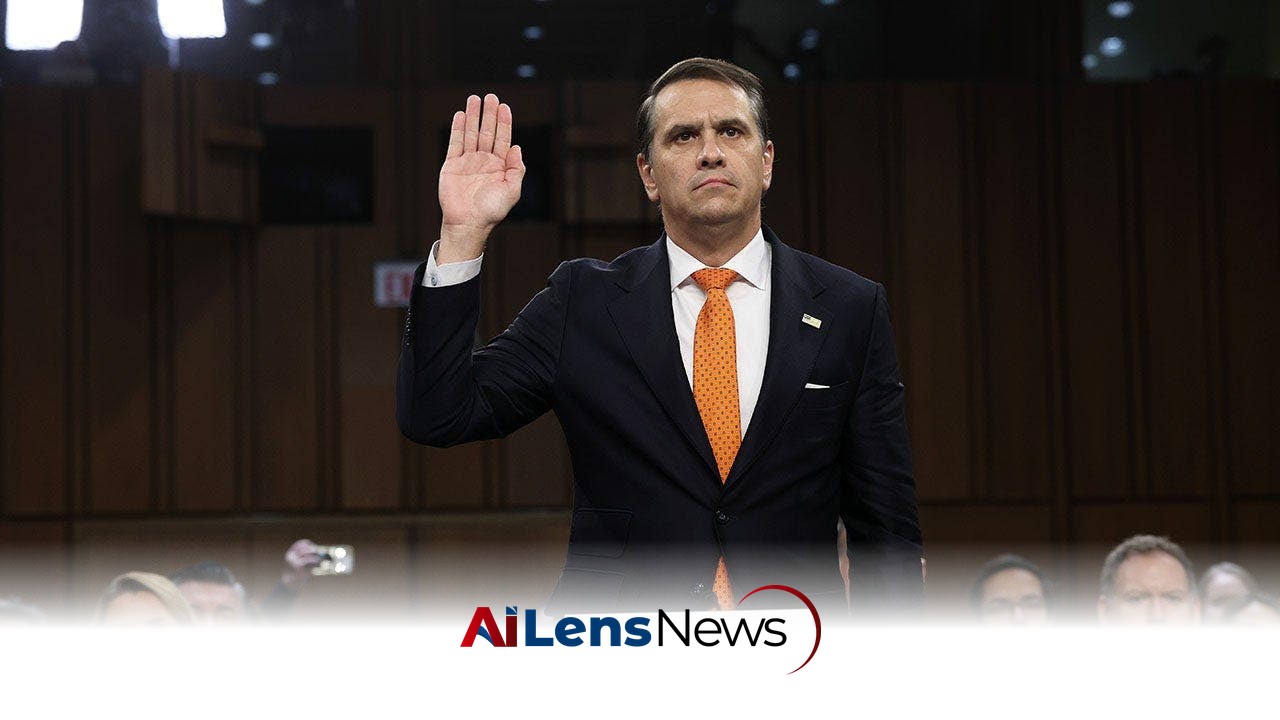


Acting Attorney General Todd Blanche moves closer to Senate confirmation by rescinding a controversial $1.8 billion fund and clarifying tax protections.
Washington DC, United States Aug 3, 2026 ALN: Acting Attorney General Todd Blanche has taken significant steps toward securing his Senate confirmation, following the formal rescission of a contentious $1.8 billion "anti-weaponization fund." This fund was initially proposed as part of a broader strategy to address grievances related to perceived governmental overreach and enforcement actions, particularly in the wake of the politically charged atmosphere surrounding former President Donald Trump’s administration and its aftermath.
Blanche's decision to rescind the fund comes at a critical juncture in his nomination process, which has faced considerable scrutiny and opposition from Senate Democrats. The fund, which was never operational—having no appointed members, no financial allocations, and no claims process—was viewed by some lawmakers as a potential tool for political leverage or a means to compensate individuals involved in controversial incidents, including the January 6, 2021, Capitol riot.
The fund's proposed existence raised alarm among various factions within Congress, particularly among Republicans who were concerned about its implications and potential for misuse. The Justice Department's acknowledgment that the fund had not been implemented—stating that no payments were made and no operational framework was established—was crucial in addressing some of these concerns. This acknowledgment was particularly important in a climate where political accountability and transparency are under intense scrutiny.
Senators John Cornyn of Texas and Thom Tillis of North Carolina played pivotal roles in the negotiations surrounding Blanche's nomination. Their insistence on a written commitment from the administration regarding the fund's termination reflects the broader tensions within the Republican Party, as some members are wary of Trump's continued influence and the potential for divisive issues to resurface. Cornyn's spokesperson confirmed that an agreement had been reached, which could pave the way for Cornyn's support of Blanche during the upcoming Senate Judiciary Committee meeting.
Blanche's formal communication on social media emphasized his commitment to engaging with committee members and addressing their concerns. He expressed appreciation for the productive discussions that led to the resolution of issues surrounding the fund and the IRS settlement. This approach could be seen as an attempt to foster bipartisan support, despite the stark divisions that have characterized the current political landscape. Blanche's outreach indicates a recognition of the need for collaboration in a Senate where partisan divides are increasingly pronounced.
The IRS settlement itself, which was part of the broader context of Blanche's nomination, has also been a point of contention. By clarifying that tax-related protections would only apply retroactively and would not extend to future filings, Blanche aimed to alleviate concerns that the settlement could create ongoing financial liabilities or expectations for future claims, particularly from individuals associated with contentious political actions. This clarification is crucial in maintaining the integrity of the tax system while addressing the concerns of those who feel wronged by previous government actions.
Concerns about the fund's potential for revival were exacerbated by Trump's vocal support for similar initiatives, leading to fears that it could be reintroduced under different auspices. The nature of the fund, which some lawmakers believed could provide financial support to individuals involved in politically charged events, further complicated Blanche's confirmation process. The agreement reached by Cornyn and Tillis, which includes a formal order from the Department of Justice to permanently terminate the fund, represents a significant concession to those who opposed Blanche's nomination. This concession underscores the delicate balance Blanche must maintain to secure his confirmation while addressing the concerns of both sides of the aisle.
While Cornyn's support appears likely, Tillis has remained noncommittal about whether the agreement will be sufficient to secure his backing. His previous comments suggested a skepticism toward the fund's intentions and a concern that it could be leveraged for political gain. The dynamics between these senators highlight the broader ideological divides within the Republican Party, particularly regarding Trump's influence and the party's direction moving forward. These tensions reflect a party grappling with its identity in the wake of Trump's presidency and the implications of his policies and rhetoric.
As the Senate Judiciary Committee prepares to vote on Blanche's nomination, the stakes are high. The committee's composition, with all Republicans needing to align in support to counter the unanimous opposition from Democrats, underscores the contentious nature of the current political climate. The postponement of an earlier committee vote was indicative of the challenges Blanche faced, as Cornyn and Tillis sought assurances that would alleviate their concerns about the administration's commitment to the fund's termination. This situation illustrates the intricate negotiations that often characterize Senate confirmations, particularly for high-profile positions like the Attorney General.
The implications of Blanche's confirmation extend beyond his immediate role as Acting Attorney General. His leadership will influence the Justice Department's approach to various issues, including law enforcement priorities, civil rights, and the ongoing investigations related to the January 6 Capitol riot. The political ramifications of his confirmation could also impact the Republican Party's cohesion and strategy as it navigates the complexities of Trump's legacy and the upcoming electoral cycles. The Justice Department's policies under Blanche could set the tone for how the federal government addresses civil unrest and political violence in the future.
In conclusion, Todd Blanche's path to Senate confirmation is emblematic of the broader struggles within Congress and the Republican Party. The resolution of the anti-weaponization fund issue represents a critical turning point in his nomination process, highlighting the intricate interplay between political maneuvering, party loyalty, and the ongoing debates surrounding governance and accountability in a polarized environment. As the Senate Judiciary Committee prepares for its vote, all eyes will be on how these dynamics unfold and what they may signal for the future of the Justice Department and the Republican Party as a whole. The outcome of this nomination could have lasting effects on the political landscape, influencing both domestic policy and the party's electoral fortunes in the years to come.
To learn more about the latest developments in Elections, stay updated with our exclusive reports and analyses on AiLensNews.

