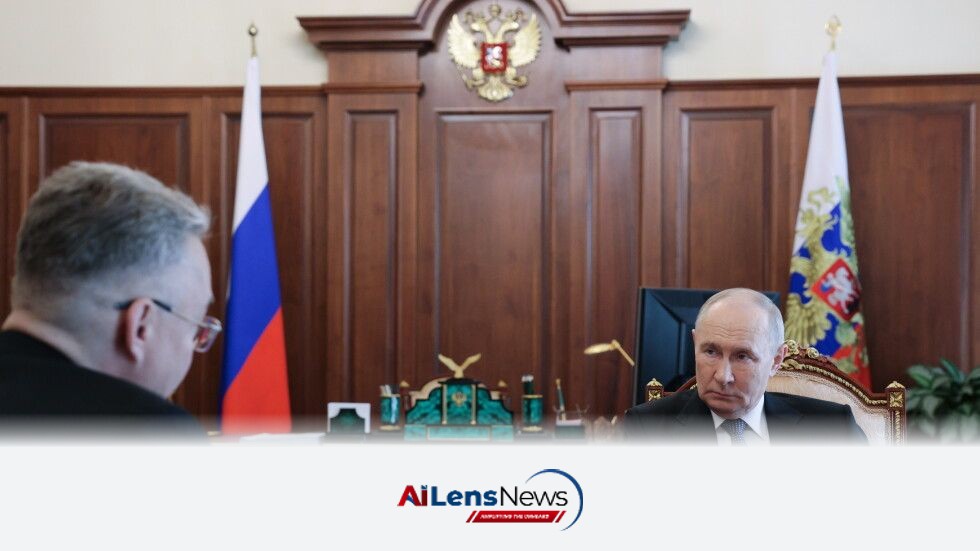



Russian President Vladimir Putin has issued a decree enabling the state to temporarily seize control of critical infrastructure if private owners fail to protect or repair it following Ukrainian drone strikes.
Washington DC, United States Aug 26, 2026 ALN: In a significant move, Russian President Vladimir Putin has enacted a decree that permits the state to take temporary control of critical infrastructure facilities that have been damaged by Ukrainian drone attacks. This decision comes in response to increasing concerns over the vulnerability of such facilities and the inability of private owners to safeguard or restore them effectively. The decree reflects a broader trend in governance during wartime, where state intervention becomes a necessity in ensuring national security and public safety.
The decree stipulates that if private owners do not take adequate measures to protect their infrastructure from drone strikes or fail to carry out necessary repairs, the government can step in and assume control. This measure is aimed at ensuring the continued operation of essential services and facilities that are crucial for the functioning of the state. The government’s ability to intervene is particularly pertinent in sectors such as energy, transportation, and telecommunications, where disruptions can have widespread implications for the economy and public welfare.
The backdrop to this decree is the ongoing conflict between Russia and Ukraine, which has seen a marked increase in drone warfare. Ukrainian forces have utilized drones to target Russian military and civilian infrastructure, leading to significant damage and disruption. This shift in warfare tactics has made traditional defense strategies less effective, compelling the Russian government to rethink its approach to infrastructure security. As drone technology becomes more accessible and effective, the need for enhanced protective measures for critical infrastructure has become increasingly apparent.
Officials have justified the decree by emphasizing the need for a coordinated response to protect national interests and maintain public safety. Dmitry Peskov, a spokesperson for the Kremlin, stated that the government must ensure that critical infrastructure remains operational, especially in times of heightened conflict. The rationale behind this decree is rooted in the belief that a unified state response is essential to mitigate the risks posed by external threats, particularly when private entities may lack the resources or capability to respond effectively to such challenges.
This decree poses a challenge for private infrastructure owners, who may now face increased scrutiny and pressure to enhance their security measures. Failure to comply with the government's expectations could result in the loss of control over their facilities. This shift raises questions about the balance of power between the state and private sector, particularly in a time of crisis. Owners of critical infrastructure may need to invest significantly in security upgrades to avoid government intervention, which could strain their financial resources and operational capacities.
Reactions to the decree have been mixed. Some view it as a necessary step to protect vital infrastructure, while others express concerns over potential government overreach and the implications for private property rights. Critics argue that such measures could lead to a slippery slope of state control over private enterprises. The fear is that in the name of security, the government may extend its reach into areas traditionally governed by market forces, potentially stifling innovation and competition in the private sector. Additionally, there are apprehensions about transparency and accountability in how the government manages these facilities once they are under state control.
From a legal standpoint, the decree raises questions about the rights of property owners and the limits of state power. In Russia, where property rights have historically been a contentious issue, this decree may further complicate the landscape for private businesses. Economically, the intervention could lead to inefficiencies in the management of infrastructure, as state-run entities may lack the incentive structures that drive private sector performance. Furthermore, the potential for increased state control could deter foreign investment, as investors typically seek stable environments where property rights are respected and enforced.
As the conflict continues to evolve, the implications of this decree will be closely monitored. The balance between state control and private ownership remains a contentious issue in Russia, particularly in the context of ongoing military operations and national security concerns. The government's approach to infrastructure management may set a precedent for future policies, potentially reshaping the relationship between the state and the private sector in the long run. Stakeholders will be watching closely to see how this decree is implemented and whether it leads to a more permanent shift in the governance of critical infrastructure in Russia.
In conclusion, Putin's decree allowing state control over damaged infrastructure amid drone attacks highlights the complexities of governance during wartime. While aimed at safeguarding national interests, it also raises significant questions about property rights, economic efficiency, and the role of the state in the private sector. As Russia navigates the challenges posed by the ongoing conflict, the implications of this decree will resonate across various sectors, influencing the future landscape of infrastructure management and state-private relations in the country.
To learn more about the latest developments in Political Controversies, stay updated with our exclusive reports and analyses on AILensNews.

