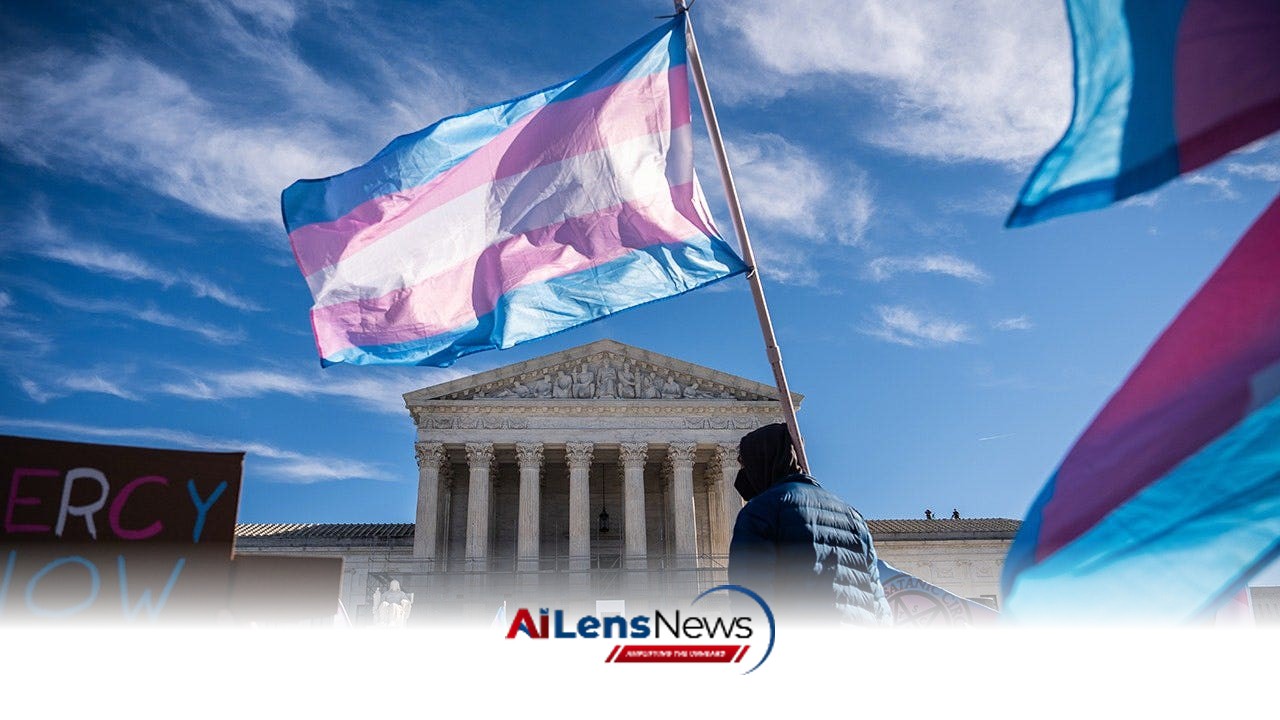



The Log Cabin Republicans have announced a renewed focus on LGB advocacy, distancing themselves from what they describe as a radical transgender agenda that undermines support for gay rights.
Washington DC, United States Aug 22, 2026 ALN: The Log Cabin Republicans (LCR), a prominent gay conservative advocacy group, has made headlines by announcing a significant shift in its focus, distancing itself from the transgender movement. In an op-ed published by Townhall.com, LCR President Ross Hemminger emphasized the organization's renewed commitment to representing gay, lesbian, and bisexual voters within the Republican Party. This strategic pivot marks a notable moment in the intersection of LGBTQ rights and conservative politics, particularly as it relates to the ongoing debates surrounding gender identity and transgender rights.
Hemminger stated, "Fifty years ago next year, Log Cabin Republicans was founded on a simple conviction: that gay Americans who believe in limited government, individual liberty, and equality deserve equal protection under the law and a voice inside the Republican Party." He highlighted that the group has historically grounded its advocacy in constitutional principles such as equal protection and individual freedom. The LCR was established in 1977, during a time when the LGBTQ community was facing significant legal and social challenges. Its founders aimed to create a space within the Republican Party for gay individuals who shared conservative values, a mission that has evolved over the decades as societal attitudes toward LGBTQ issues have changed.
In a notable reversal, Hemminger pointed out that the LCR's board of directors had previously voted in 2015 to include transgender advocacy under its mission. This decision reflected a broader trend within the LGBTQ rights movement, which increasingly sought to unite various identities under a single banner of equality and acceptance. However, he explained that the current landscape has led to a reevaluation of that decision. Hemminger's comments suggest a growing divide within the LGBTQ community itself, particularly between those advocating for transgender rights and those who identify as gay, lesbian, or bisexual.
"At the time, we did not believe that we would find ourselves where we are today," Hemminger wrote. He criticized the transgender movement for shifting its focus away from adults, claiming that most efforts now center on minors. This assertion reflects a significant concern among some conservatives who argue that the discussion around gender identity has moved into areas they believe are inappropriate for children. He expressed concern over the promotion of what he termed 'radical gender ideology' in schools and the push for biological men to compete in women’s sports, issues that have sparked intense debates across the country.
Hemminger lamented that support for gay rights, including marriage equality, is declining across the country. He attributed this erosion of support to a generational gap, suggesting that younger voters may not fully understand the historical struggles faced by the gay community. He stated, "Their view of the gay community is based on today’s radical transgender activists." This perception, he argued, is detrimental to the broader acceptance of gay rights. The decline in support for gay rights among younger generations is a complex issue, influenced by various factors including shifting societal norms, the politicization of LGBTQ issues, and the evolving nature of identity itself.
Following discussions with its membership, the LCR Board of Directors decided to refine its advocacy focus to concentrate specifically on issues related to sexual orientation and conservative values. Hemminger declared, "We are an LGB advocacy organization, as our founders envisioned and as our moral center calls us to be." This statement underscores the group's intention to reassert its identity as an organization primarily focused on the rights and issues pertinent to gay, lesbian, and bisexual individuals, rather than the broader spectrum of gender identity issues.
Hemminger concluded by reiterating the importance of focusing on issues such as marriage, adoption, military service, and nondiscrimination, which he believes are grounded in constitutional clarity and align with the Republican commitment to limited government and equal protection under the law. He stated, "When we remain focused on those principles, we win." This assertion reflects a strategy aimed at rallying support from conservatives who may feel alienated by more progressive stances on gender issues.
The LCR's decision to distance itself from the transgender movement could have significant implications for both the organization and the broader LGBTQ community. For the LCR, this shift may help to solidify its base among traditional conservative voters who may be uncomfortable with the current discourse surrounding transgender rights. However, it also risks alienating a segment of the LGBTQ population that sees the fight for transgender rights as integral to the overall struggle for equality.
Additionally, this realignment could influence how other conservative organizations approach LGBTQ issues in the future. As the political landscape continues to evolve, the LCR's stance may serve as a litmus test for other groups grappling with how to balance traditional conservative values with the demands for inclusivity and representation within the LGBTQ rights movement.
Moreover, the debate over transgender rights and its implications for minors is likely to remain a contentious issue in public discourse. Legislative battles over transgender athletes in sports, access to gender-affirming healthcare for minors, and educational policies regarding gender identity are already at the forefront of political discussions in many states. The LCR's position may resonate with those who share their concerns, but it may also provoke backlash from advocates who argue for the rights and protections of transgender individuals.
In conclusion, the Log Cabin Republicans' shift in focus reflects a complex interplay of identity, politics, and advocacy within the LGBTQ community. As the organization redefines its mission, it will be essential to monitor how this change affects both its internal dynamics and its external relationships with other LGBTQ advocacy groups, as well as its influence within the Republican Party and beyond.
To learn more about the latest developments in Political Controversies, stay updated with our exclusive reports and analyses on AILensNews.

