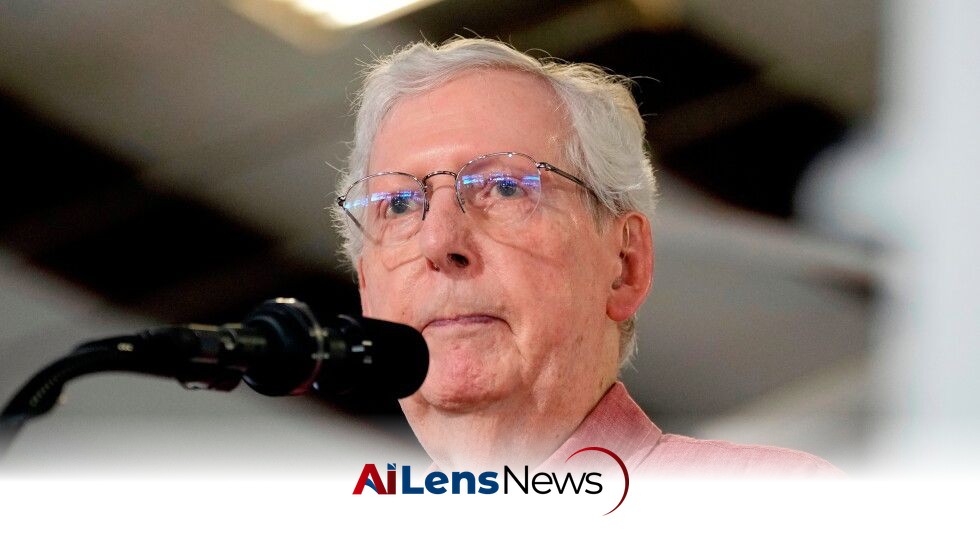


Democratic Governor Andy Beshear urges Senator Mitch McConnell to demonstrate his capability to serve or step down, following concerns about his health.
Washington DC, United States Jul 29, 2026 ALN: In a significant political move, Kentucky Governor Andy Beshear has publicly called on Senator Mitch McConnell to prove that he is fit to continue serving in the Senate or to resign from his position. This demand comes in light of recent health concerns surrounding the senior senator, who has faced scrutiny regarding his ability to perform his duties effectively. The implications of this situation extend beyond individual health issues, touching upon the broader themes of accountability, transparency, and the responsibilities of elected officials.
Governor Beshear, a Democrat, expressed his concerns in a letter addressed to McConnell, urging him to provide evidence of his fitness for office. The governor emphasized the importance of transparency and accountability, especially in light of McConnell's prominent role as the Senate Minority Leader. This call for transparency is not just a personal request; it reflects a growing demand from constituents who want to ensure that their representatives are capable of fulfilling their responsibilities. In an era where public trust in government is often at a low, the demand for clarity regarding the health of elected officials becomes even more pressing.
"The people of Kentucky deserve to know that their elected officials are capable of fulfilling their responsibilities," Beshear stated. He further added that if McConnell cannot demonstrate his capability, he should consider stepping down to allow for a representative who can serve effectively. This statement underscores the belief that public officials are not only accountable to their party or themselves but, most importantly, to the voters who elect them to serve. The expectation is that elected officials should be able to engage actively in their roles, especially in high-stakes environments such as the Senate.
In addition to his direct appeal to McConnell, Governor Beshear also reached out to Senate Majority Leader John Thune, requesting that he investigate McConnell’s condition should the senator fail to provide satisfactory evidence of his fitness to serve. This move indicates a growing concern among political leaders about the implications of McConnell's health on the Senate's functionality. The request for an investigation highlights the seriousness of the situation and the potential need for oversight from fellow senators, especially given McConnell's influential role in the legislative process. Such scrutiny is not unprecedented; history has seen similar calls for transparency regarding the health of lawmakers, particularly as the average age of Congress continues to rise.
This situation has sparked discussions among political analysts and constituents alike, with many questioning the implications of McConnell's health on his legislative duties. As a long-serving member of the Senate, McConnell's leadership and decision-making are crucial, particularly as the nation navigates various pressing issues such as healthcare, infrastructure, and economic recovery. The Senate, as a legislative body, relies on the active participation of its leaders to drive policy and negotiate bipartisan solutions. Any uncertainty surrounding a senior member's health can lead to broader concerns about the Senate's effectiveness. Furthermore, McConnell's position as Minority Leader means that his ability to rally party support is vital for the Republican agenda, making his health even more consequential.
Critics of McConnell have pointed to his recent public appearances, where he appeared disoriented and struggled to communicate effectively, raising alarms about his health. These observations have led to growing unease among constituents and fellow lawmakers, who fear that his health may impede his ability to advocate for Kentucky's interests on the national stage. Supporters, however, argue that McConnell has a long history of service and should be given the benefit of the doubt regarding his current capabilities. They contend that his extensive experience and deep understanding of legislative processes should not be overlooked in light of recent health concerns. This divide reflects broader societal debates about age and capability in leadership roles, especially in high-pressure environments like the Senate.
As the political landscape in Kentucky evolves, the pressure on McConnell to address these concerns is mounting. The outcome of this situation could have significant ramifications not only for McConnell's political future but also for the Republican Party's standing in the state. Should McConnell choose to step down or be deemed unfit for office, it could open the door for a new candidate to emerge, potentially reshaping the political dynamics in Kentucky. The Republican Party, which has historically held a strong influence in the state, may face challenges in maintaining its foothold if a leadership vacuum occurs. The potential for a competitive primary or special election could also lead to shifts in voter sentiment, as constituents weigh the importance of health and capability against party loyalty.
Moreover, this situation raises questions about the age and health of elected officials in general. As the average age of lawmakers in Congress continues to rise, the issue of fitness for office becomes increasingly relevant. The public's expectations for transparency and accountability are evolving, and voters are more attuned to the health and wellness of their elected representatives. This scenario may prompt a broader discussion about age limits, health assessments, and the overall capacity of lawmakers to serve effectively. In a rapidly changing political environment, these discussions could lead to new standards for health evaluations that ensure elected officials can fulfill their obligations to their constituents.
In conclusion, Governor Beshear's call for accountability highlights the critical nature of health and fitness in public office, particularly for leaders who play pivotal roles in shaping policy and governance. The coming weeks will likely reveal how McConnell responds to these demands and what it means for his tenure in the Senate. As this situation unfolds, it will be essential for both McConnell and his constituents to engage in open dialogue about the implications of health on political leadership. The outcome may serve as a precedent for how similar situations are handled in the future, influencing the expectations of accountability and transparency in public office. Ultimately, the intersection of health, age, and political responsibility will remain a crucial topic in the ongoing discourse about the effectiveness and representation of elected officials in the United States.
To learn more about the latest developments in Political Controversies, stay updated with our exclusive reports and analyses on AiLensNews.

