

More
Checking your session
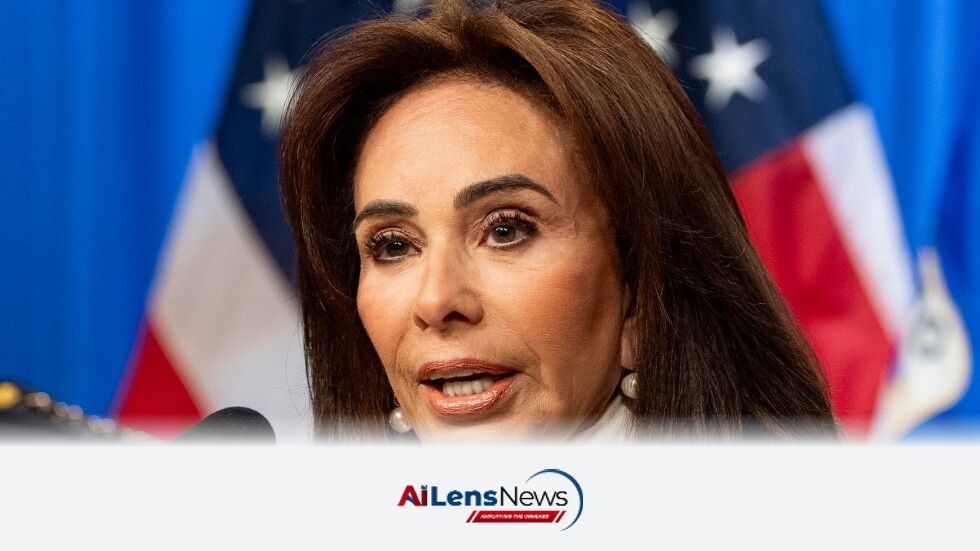



A legal watchdog has filed complaints against U.S. Attorney Jeanine Pirro for allegedly abusing her prosecutorial powers in a case involving six Democratic lawmakers.
Washington DC, United States Aug 26, 2026 ALN: A legal watchdog has filed bar complaints accusing U.S. Attorney Jeanine Pirro and two of her lieutenants of violating ethical duties by attempting to charge six Democratic lawmakers with federal crimes. This action stems from the lawmakers' participation in a video urging military personnel to resist unlawful orders, a move that has sparked significant controversy and debate about the limits of free speech and the responsibilities of public officials.
The Legal Accountability Center filed the complaints in New York and Virginia, alleging that Pirro, along with her subordinates Carlton Davis and Steven Vandervelden, misused their prosecutorial powers to pursue "meritless" indictments against perceived political adversaries of President Donald Trump. This situation reflects a broader concern among legal experts and civil rights advocates regarding the potential misuse of prosecutorial authority for political purposes, raising questions about the integrity of the judicial system.
Tim Lauer, a spokesperson for Pirro’s office, emphasized that it is the role of a grand jury, not prosecutors, to determine whether to issue an indictment. He described the complaints as frivolous, stating, "Attempting to weaponize the disciplinary process against prosecutors for doing their jobs amounts to nothing more than a frivolous complaint." This response highlights the contentious nature of the current political landscape, where legal actions are often viewed through a partisan lens.
In February, a grand jury in Washington declined to indict Senators Mark Kelly and Elissa Slotkin, along with four House Democrats, for their public statements encouraging U.S. service members to adhere to established military protocols and reject unlawful orders. Notably, all six lawmakers have military or intelligence backgrounds, which adds a layer of complexity to the accusations against them. Trump's previous accusations of sedition against these lawmakers, suggesting that their actions were punishable by death, have also intensified the scrutiny surrounding this case and the motivations behind the legal actions taken by Pirro and her team.
While it is rare for a grand jury to refuse an indictment, this occurrence has become more frequent in Washington during Trump's second term. Critics of Pirro have accused her of pursuing legally questionable and politically motivated cases, including a recently abandoned felony charge against a former Olympian accused of vandalizing the Lincoln Memorial Reflecting Pool. This pattern of behavior has raised alarms among legal scholars and practitioners who fear that the integrity of the prosecutorial process is being compromised.
The situation raises significant questions about the ethical boundaries of prosecutorial conduct and the potential politicization of legal processes. Prosecutorial discretion is a fundamental principle in the American legal system, allowing attorneys to decide whether to bring charges based on the merits of a case. However, when that discretion is perceived to be influenced by political considerations, it undermines public trust in the justice system.
Legal experts have long warned against the dangers of politicizing the legal system, arguing that it can lead to selective enforcement of laws and create a chilling effect on free speech and dissent. The complaints against Pirro and her team are emblematic of this concern, as they suggest that legal actions may be driven more by political motivations than by a genuine pursuit of justice.
As the complaints move forward, the implications for Pirro and her office remain to be seen. If the bar complaints are upheld, they could result in disciplinary action against Pirro and her subordinates, potentially impacting their careers and the functioning of the U.S. Attorney's office. Additionally, such outcomes could set precedents for how similar cases are handled in the future, influencing the relationship between politics and the legal system.
This case also highlights the increasing tensions between the executive branch and legislative officials, particularly in an era marked by deep political divisions. The actions of U.S. Attorneys and their decisions to pursue or refrain from pursuing charges against political figures can serve as flashpoints in the ongoing struggle for power and influence in Washington.
Furthermore, the broader implications of this situation extend beyond the individuals involved. It raises crucial discussions about the role of the judiciary in a democratic society and the importance of maintaining an independent legal system free from political interference. As the legal community watches closely, the outcome of these complaints could have lasting effects on the perception of justice and accountability in the United States.
In conclusion, the allegations against Jeanine Pirro and her team are not just about the specific actions taken against six lawmakers; they are indicative of a larger narrative regarding the intersection of law and politics in contemporary America. As these proceedings unfold, they will likely continue to provoke debate and scrutiny, reflecting the complexities of governance and the rule of law in a polarized environment.
To learn more about the latest developments in Political Controversies, stay updated with our exclusive reports and analyses on AILensNews.