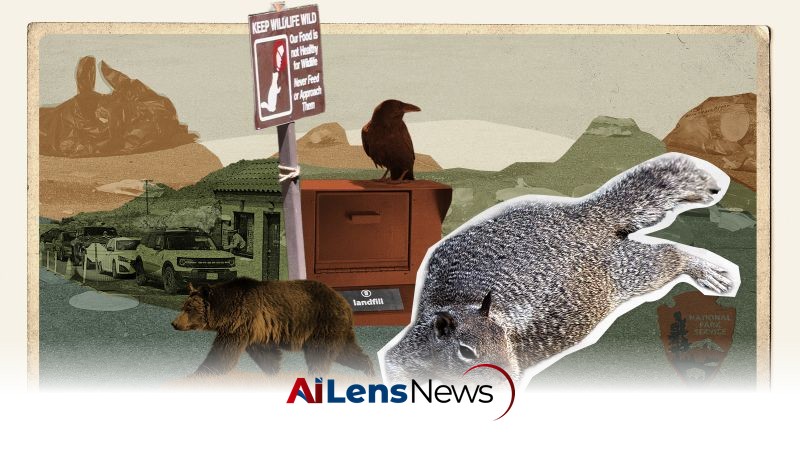


Trump administration policies have led to staff shortages and increased visitor numbers in national parks, straining resources and impacting the ecosystem.
Washington DC, United States Aug 2, 2026 ALN: As a backcountry ranger at a national park, Sam built a career doing work that many visitors never see: patrolling trails, checking campsites, and educating hikers on how to keep themselves and the park safe. Sam had never been asked to collect entry fees — until this year.
Now, Sam works overtime each week at the park’s entrance station, miles away from the backcountry. Colleagues who would otherwise be busy doing ecological work in the parks now scramble just to keep up with cleaning bathrooms and picking up trash, Sam said. This shift in responsibilities highlights a broader trend affecting the National Park Service (NPS) and its ability to manage and maintain the vast and diverse landscapes entrusted to its care.
More than a year after the Trump administration laid off around 1,000 NPS employees, national parks are straining under a staff shortage amid sweeping changes from the White House. The layoffs were part of a broader federal budget strategy that aimed to reduce government spending. However, this decision has had far-reaching consequences for the parks, which rely heavily on a dedicated workforce to maintain trails, conduct research, and ensure visitor safety.
As tourists flock to parks this summer in near-record numbers, the situation has become even more precarious. The increase in visitors is partially due to the removal of the timed-entry reservation system at some parks, which had previously been implemented to manage crowd levels and enhance the visitor experience. Additionally, fishing access has been expanded, hunting restrictions lifted, and limits on off-road vehicles rolled back, making parks more accessible but also leading to increased pressure on their ecosystems.
Making matters worse, a larger portion of the entry fees Sam and others collect is being diverted away from national parks and back to Washington, DC. This redirection of funds has raised concerns among park staff and conservationists about the sustainability of park operations and the long-term health of the natural environments they protect.
Rangers, experts, and local business owners who depend on the parks told CNN that while the White House has tried to prioritize the visitor experience by making parks more accessible, the changes — rolled out suddenly and without much notice — coupled with staff shortages have sent a delicate ecosystem into disarray. The impact shows up in numerous ways — from longer lines at entrance stations to economic downturns for nearby businesses, as well as unexpected changes in wildlife behavior, such as plumper squirrels and problematic bears.
“National parks are about much more than the visiting experience. These are not theme parks,” said John Garder, a senior director at the National Parks Conservation Association, a nonprofit charity focusing on the protection of National Parks. His statement underscores the notion that national parks serve a vital role in preserving biodiversity, protecting endangered species, and maintaining the ecological balance that is essential for the health of our planet.
A CNN analysis found that so far this fiscal year, the administration has redirected at least 30.5% of revenue from national park fees toward projects in Washington, DC, including $8 million out of the $14 million budget for President Donald Trump’s revamped Lincoln Memorial Reflecting Pool. However, under federal law, only 20% of fees collected at national parks are supposed to go toward free parks, which include DC landmarks. This apparent misallocation of funds has sparked outrage among those who believe that the financial resources generated by national parks should be reinvested in the parks themselves.
“It’s just completely upsetting,” Sam said. “Infuriating.” Sam is a pseudonym for a national park ranger who, like other NPS employees who spoke to CNN, did so on the condition of anonymity out of fear of reprisals. This fear reflects a culture of silence that has developed among some NPS employees, who worry that speaking out about their concerns could jeopardize their jobs or career advancement.
Garder, of the National Parks Conservation Association, also described the redirection of funds as “deeply concerning.” He emphasized that the lack of transparency regarding how funds are being allocated exacerbates the problem. “What adds insult to injury is that there is no transparency as to what projects exactly … [it] is going towards and the projects that will not be happening or are not happening throughout the country as a result of the diversion of those funds,” said Garder. “We’re concerned as well about the potential for some of those funds to be used for some of these large construction projects or vanity projects, which again haven’t gone through congressional review, or are not being adhered to the National Historical Preservation Act and the National Environmental Policy Act and other laws.”
The Interior Department offered a defense in a statement to CNN, saying, “The Trump administration is looking at different funding mechanisms for deferred maintenance which include endowment funds and revenue brought in from the sale of park passes. The National Park Service has not only been focused on beautifying the district for the 250th celebrations in our nation’s capital but has also been working on many deferred maintenance projects throughout the country.” This statement raises questions about the prioritization of projects and whether the needs of national parks are being adequately addressed.
The Interior Department and NPS did not respond to a separate request for comment on other concerns, such as the strain on staff, effects of larger crowds, and impact on local businesses. The lack of response indicates a potential disconnect between policymakers and the realities faced by those on the ground in national parks.
This all comes as the National Parks were already facing a years-long maintenance backlog worth more than $24 billion. This backlog has been compounded by the additional challenges posed by the COVID-19 pandemic, which further strained resources and staffing. In several parks, roads have been closed for as long as five years with no progress. Money is so tight that sometimes, just stocking the bathrooms can be a hassle.
One NPS employee CNN is identifying as Jane primarily collects entrance fees and issues passes at a national park in the southwest. She said buying even a roll of toilet paper for the restroom in her park requires layers of approval because there’s a spending freeze. The park nearly ran out earlier this year, which meant the restroom would have to close and the closest available one for visitors would be two hours away. Jane also said that some rangers at her park have had to take on custodial work because staffing levels are so low, illustrating the extent of the operational challenges facing the NPS.
A third NPS employee who CNN is identifying as Alex said that employee housing facilities at the park where he works in the Pacific Northwest especially need refurbishing, forcing many permanent staff to commute more than an hour for work. “Burnout amongst those employees is higher and turnover is huge, and we lose a lot of people because they don’t like commuting that far,” he said. “It’s hard to keep people.” The high turnover rate can create a cycle of instability, making it difficult for parks to maintain continuity in staffing and operations.
Mikah Meyer, a National Parks expert and influencer who visited all the National Parks in a three-year trip spanning from 2016 to 2019, said he has heard from friends who are park rangers that some who typically work as researchers are now doing janitorial work. This trend of rangers taking on roles outside their traditional responsibilities is not just a temporary fix; it reflects a systemic issue within the NPS that has been exacerbated by budget cuts and staffing shortages. The diversion of funds and the redirection of resources have left many parks struggling to fulfill their core missions.
As the situation continues to evolve, it remains to be seen how the National Park Service will address these challenges and what long-term implications the current policies will have on the preservation of America’s natural heritage. The ongoing debate about funding, staffing, and the balance between accessibility and conservation will likely shape the future of national parks for years to come. The importance of national parks extends beyond their role as recreational spaces; they are critical for biodiversity, climate resilience, and cultural heritage. Ensuring their health and sustainability is essential not only for the enjoyment of future generations but also for the well-being of the planet.
To learn more about the latest developments in Elections, stay updated with our exclusive reports and analyses on AiLensNews.

