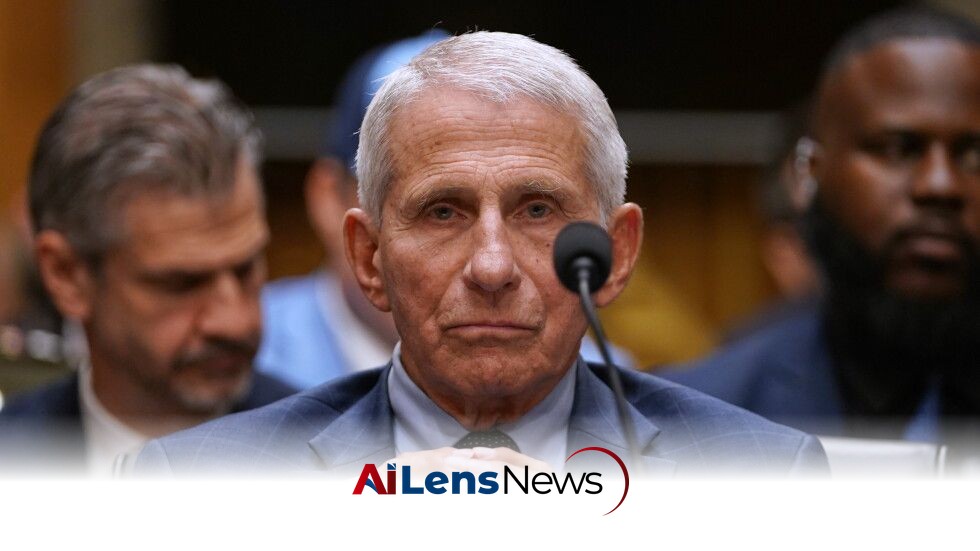


Dr. Anthony Fauci is set to face a contempt of Congress vote next week after repeatedly invoking the Fifth Amendment during a Senate committee hearing regarding his COVID-19 pandemic response.
Washington DC, United States Jul 30, 2026 ALN: Dr. Anthony Fauci, the former director of the National Institute of Allergy and Infectious Diseases (NIAID), has become a focal point of contention in U.S. politics, particularly following his recent appearance at a Senate committee hearing. During this hearing, Fauci invoked the Fifth Amendment multiple times, a legal maneuver that has sparked significant debate and led to a forthcoming vote on whether to hold him in contempt of Congress. This situation is emblematic of the ongoing struggle between public health officials and political entities in the United States, particularly in the context of the COVID-19 pandemic.
The Senate committee hearing was convened to scrutinize Fauci's role in the U.S. government's response to the COVID-19 pandemic. Lawmakers aimed to examine various aspects of the response, including the decisions surrounding public health guidelines, the funding for research related to the virus, and the overall management of the crisis. Fauci's invocation of the Fifth Amendment, which protects individuals from self-incrimination, raised eyebrows and fueled further controversy, as it suggested he was unwilling to answer questions that could potentially implicate him in wrongdoing.
The hearing was marked by intense questioning, particularly from Republican members of the committee. Senator Rand Paul of Kentucky has been one of Fauci's most vocal critics throughout the pandemic, often accusing him of mismanaging the public health response and promoting policies that he claims have harmed the economy and individual freedoms. This backdrop of political animosity set the stage for a hearing that many anticipated would be confrontational.
Dr. Fauci has been a prominent figure in the U.S. response to COVID-19 since the onset of the pandemic in early 2020. As the director of NIAID, he played a critical role in shaping the nation's public health policies, including the promotion of vaccines and the implementation of guidelines aimed at controlling the spread of the virus. However, his visibility and the importance of his role have also made him a target for criticism from various political factions, particularly those who disagree with the measures taken to mitigate the pandemic's impact.
Fauci's career spans several decades, during which he has dealt with numerous public health crises, including HIV/AIDS, SARS, and Ebola. His experience has earned him a reputation as a leading expert in infectious diseases. However, the COVID-19 pandemic brought unprecedented scrutiny and polarization, as differing opinions on public health measures became intertwined with political ideologies. This polarization has led to a situation where Fauci's actions and statements are often interpreted through a partisan lens.
In the wake of the hearing, reactions from both sides of the aisle were swift and polarized. Supporters of Fauci, including many public health experts and Democratic lawmakers, argue that his actions during the pandemic were justified given the unprecedented nature of the crisis and the evolving understanding of the virus. They contend that invoking the Fifth Amendment was a prudent legal strategy in light of the politically charged atmosphere surrounding the investigation.
Conversely, critics of Fauci, particularly within the Republican Party, view his refusal to answer questions as a blatant attempt to evade accountability. They argue that public officials should be transparent and forthcoming, especially when their decisions have had significant implications for public health and safety. Senator Paul, among others, has expressed frustration over Fauci's non-responsiveness, suggesting that it undermines public trust in health officials and government institutions.
The political reactions extend beyond mere statements; they reflect a broader narrative about trust in governmental institutions. The COVID-19 pandemic has led to a significant erosion of trust among certain segments of the population, particularly regarding the efficacy and safety of vaccines. This environment complicates the work of public health officials who rely on public cooperation to implement health measures effectively.
The upcoming vote on whether to hold Fauci in contempt of Congress carries significant implications for the political landscape in the United States. If the Senate proceeds with contempt charges, it could lead to a protracted legal battle, drawing further attention to Fauci's actions and decisions during the pandemic. This scenario could also set a precedent for how future congressional inquiries are conducted, particularly in relation to public health officials.
Moreover, the contempt vote is likely to exacerbate existing divisions within Congress and among the public. As the political landscape continues to evolve, the implications of this hearing and the subsequent vote could have lasting effects on public trust in health officials and government institutions. The perception of Fauci as either a dedicated public servant or a figure evading accountability will likely shape public discourse surrounding health policy and governance in the years to come.
In addition to the immediate political ramifications, this situation raises broader questions about the relationship between science and politics. The invocation of the Fifth Amendment by a public health official during a congressional inquiry is unprecedented and may signal a shift in how public health officials interact with political entities. This could lead to increased hesitance among experts to engage openly with lawmakers, fearing potential backlash or misinterpretation of their statements.
The fallout from this hearing and the potential contempt vote also raises broader questions about public trust in health officials. Trust is a crucial component of effective public health policy, as it influences individuals' willingness to adhere to guidelines, receive vaccinations, and engage in preventive health measures. The ongoing scrutiny of Fauci's actions may further polarize public opinion, complicating efforts to unify the nation around future health initiatives.
As the COVID-19 pandemic has illustrated, public health crises often become intertwined with political agendas. The response to such crises can lead to significant shifts in policy, funding, and public perception. The current situation surrounding Fauci is a microcosm of these larger dynamics, highlighting the challenges faced by public health officials in navigating a landscape fraught with political tension.
Furthermore, the potential contempt vote could influence how future public health emergencies are managed. If public health officials perceive that they may face political repercussions for their decisions, they may become more cautious in their recommendations, potentially compromising the effectiveness of health responses. This could lead to a cycle where public health measures are either overly cautious or excessively politicized, undermining their efficacy.
Dr. Anthony Fauci's invocation of the Fifth Amendment during a Senate hearing has set the stage for a contentious contempt vote, reflecting the ongoing tensions in U.S. politics regarding public health and the management of the COVID-19 crisis. As lawmakers prepare to vote on whether to hold him in contempt, the implications of this decision extend beyond Fauci himself, potentially influencing public trust in health officials and shaping future health policies. The outcome of this situation will likely reverberate through the political landscape, affecting how public health is approached in a post-pandemic world.
To learn more about the latest developments in Elections, stay updated with our exclusive reports and analyses on AiLensNews.

