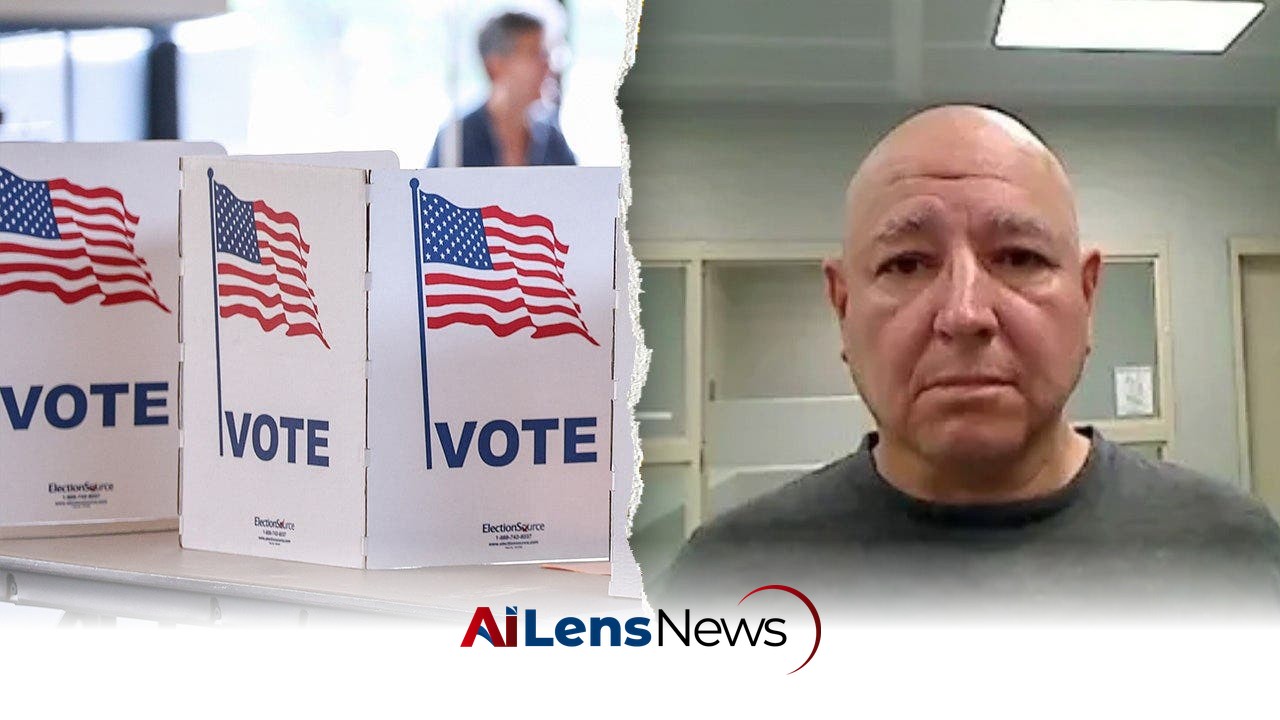


Carlos Felipe Jaramillo-Grajales received a three-year prison sentence for using a stolen identity to vote in U.S. elections for two decades.
Washington DC, United States Aug 18, 2026 ALN: Carlos Felipe Jaramillo-Grajales, a Colombian national, has been sentenced to three years in prison for identity theft and falsely claiming U.S. citizenship, enabling him to vote in elections for nearly 20 years. This case has drawn significant attention due to its implications for election integrity and the broader discussions surrounding voting rights and verification processes in the United States.
According to the Department of Homeland Security (DHS), Jaramillo-Grajales utilized a stolen Social Security number and the identity of a U.S. citizen to obtain a passport in March 2003. This fraudulent identity not only allowed him to secure a Florida driver’s license but also enabled him to register to vote in multiple elections, including the pivotal 2020 election. The ability to vote is a fundamental right in the U.S., and the actions of Jaramillo-Grajales raise serious questions about the safeguards in place to protect this right from exploitation.
DHS Secretary Markwayne Mullin expressed concern over the implications of such fraudulent activities on the electoral process. He stated, "Because of his fraud, he was able to obtain a driver’s license and vote in our elections." His remarks underscore the importance of election integrity, asserting that only U.S. citizens should participate in the electoral process. This sentiment resonates with many lawmakers and citizens who advocate for stricter voter verification laws, aimed at preventing noncitizen participation in elections.
Jaramillo-Grajales’s case is not an isolated incident but rather part of a broader narrative concerning noncitizen voting in the United States. Investigations and reports have suggested that there may be a significant number of noncitizens registered to vote across various states, with estimates indicating that over 190,000 noncitizens may have registered in California alone. These figures have contributed to heightened scrutiny and debate regarding the integrity of voter registration processes and the verification measures in place to ensure that only eligible voters can cast ballots.
As lawmakers in Washington engage in discussions about the necessity for stricter voter verification laws, the sentencing of Jaramillo-Grajales serves as a stark reminder of the lengths to which some individuals will go to exploit the system. The implications of such fraud extend beyond individual cases, potentially undermining public confidence in the electoral process and the legitimacy of election outcomes.
In addition to his voting fraud, investigators revealed that Jaramillo-Grajales also utilized his fraudulent identity for other purposes, including securing lawful permanent residency for his fiancée, who later became his wife. This aspect of the case highlights how identity fraud can have far-reaching consequences, affecting not only the individual perpetrator but also the legal processes surrounding immigration and residency.
Tim Hemker, a special agent with Homeland Security Investigations, remarked on the severity of the situation, stating, "This criminal illegal alien spent years exploiting a stolen identity of a United States citizen to obtain government documents and claim benefits." His comments reflect a growing concern among law enforcement agencies regarding the intersection of identity theft and immigration status, and the potential for abuse within these systems.
The DHS has framed Jaramillo-Grajales's conviction as part of a broader initiative to combat illegal voting and identity fraud among noncitizens. This initiative aligns with ongoing efforts by various federal and state agencies to enhance the integrity of the electoral process. Similar cases have emerged in recent years, including Marian Chariton from Slovakia, who illegally voted in New Jersey, and Jose Ceballos from Mexico, who pleaded guilty to election-related charges in Kansas. These cases collectively illustrate a pattern of fraudulent activity that has prompted calls for reform in voter registration and verification practices.
"Thanks to the hard work of the men and women of HSI, along with our federal partners, this criminal is out of our communities and, at the end of his sentence, will be removed from our country," Mullin concluded, emphasizing the importance of law enforcement's role in addressing these issues. The removal of individuals who engage in such fraudulent activities is seen as a necessary step in preserving the integrity of the electoral process and ensuring that only eligible voters participate in elections.
The investigation into Jaramillo-Grajales was conducted by Homeland Security Investigations, the U.S. Department of State’s Diplomatic Security Service, and the Social Security Administration Office of the Inspector General. The collaboration among these agencies highlights the complexity of cases involving identity theft and voting fraud, necessitating a multifaceted approach to investigation and enforcement. The case was prosecuted by Assistant United States Attorney Arnold B. Corsmeier, underscoring the legal frameworks in place to address such violations of law.
As the discussion around voting rights and election integrity continues, cases like that of Carlos Felipe Jaramillo-Grajales serve as critical touchpoints for policymakers, law enforcement, and the public. The implications of identity fraud in the electoral process are profound, raising essential questions about how to balance access to voting with the need for robust verification measures to protect the integrity of democratic institutions.
To learn more about the latest developments in Elections, stay updated with our exclusive reports and analyses on AiLensNews.

