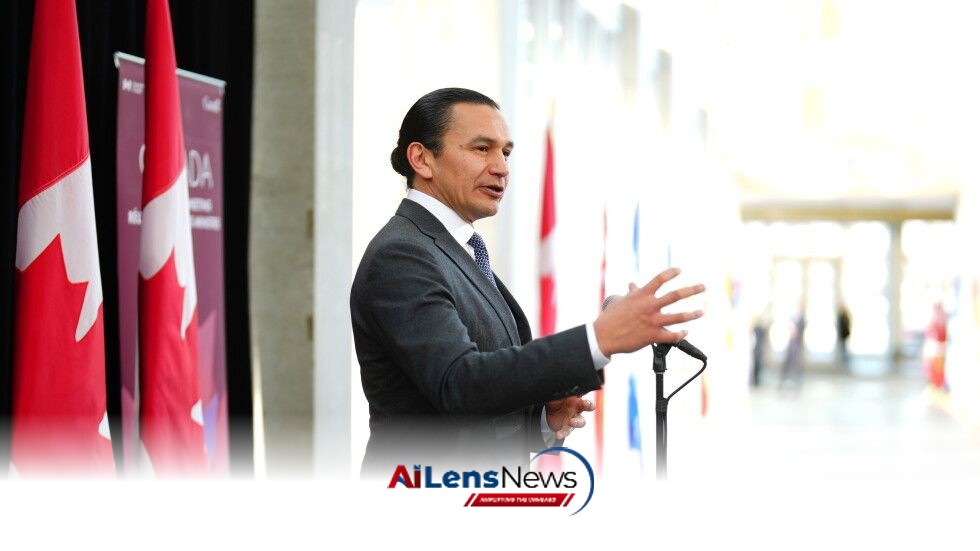



The premier of a Canadian province has labeled U.S. President Donald Trump a 'bad person,' urging Canada to remain steadfast in trade talks rather than making concessions.
Washington DC, United States Aug 21, 2026 ALN: The premier of a Canadian province has launched a scathing critique of U.S. President Donald Trump, calling him a "bad person" and emphasizing the need for Canada to hold firm in ongoing trade negotiations. This statement reflects not only personal sentiment but also a broader concern regarding the integrity and reliability of U.S. trade policies under Trump's administration.
During a press conference, the premier expressed concerns about Trump's reliability, stating that he is "not to be trusted." This statement comes as Canada weighs potential concessions in its trade discussions with the United States, particularly in light of ongoing negotiations surrounding the United States-Mexico-Canada Agreement (USMCA), which is a critical framework for trade relations between the three North American countries. The USMCA is intended to replace the North American Free Trade Agreement (NAFTA), which has been a point of contention since Trump took office, with his administration arguing that it was unfavorable to American workers.
The remarks by the premier highlight the tension between the two nations as they navigate complex trade issues. The premier urged Canadian officials to resist the urge to rush into agreements that may not be in the country's best interest. This caution is particularly relevant given the unpredictable nature of Trump's negotiation tactics, which have included aggressive tariffs on Canadian goods, particularly in the steel and aluminum industries. Such tariffs have strained relations and raised concerns about the long-term implications for Canadian manufacturers and exporters.
In recent months, the Canadian government has faced pressure from various sectors to secure a favorable deal, with industries such as dairy, agriculture, and automotive manufacturing closely monitoring the negotiations. The premier's call for caution suggests a recognition of the need to carefully evaluate any potential agreements that could have significant economic repercussions.
This criticism is set against a backdrop of fluctuating relations between Canada and the U.S., particularly regarding tariffs and trade policies. The premier's comments reflect a growing sentiment among some Canadian leaders who believe that a more cautious approach is necessary. The political landscape in Canada is also influenced by the looming federal elections, where trade policy is a significant issue for voters. As such, any misstep in negotiations could have ramifications for political parties and leaders who are seeking to maintain or gain public support.
The relationship between Canada and the U.S. has historically been characterized by close economic ties and cooperation. However, the Trump administration's approach has introduced a level of uncertainty that has prompted Canadian leaders to reassess their strategies. The premier's remarks can be viewed as a rallying cry for a more assertive Canadian position in trade discussions, emphasizing the importance of protecting national interests in the face of external pressures.
In his address, the premier called for unity among Canadian provinces to present a strong front in negotiations. He emphasized that the stakes are high and that Canada must prioritize its economic interests. This call for unity is essential, as trade negotiations often require a coordinated approach among provinces, especially those that may be affected differently by trade agreements. For instance, provinces with significant agricultural sectors may have different priorities compared to those with a focus on technology or manufacturing.
The premier's appeal for solidarity underscores the need for a cohesive strategy that reflects the diverse economic landscape of Canada. It also highlights the importance of engaging various stakeholders, including business leaders, labor unions, and provincial governments, in discussions about trade policy. By fostering a united front, Canadian leaders hope to enhance their bargaining power and ensure that any agreements reached are beneficial across the board.
The public response to the premier's comments has been mixed, with some supporting his stance while others argue that a more conciliatory approach may be beneficial. Supporters of the premier's position believe that a strong stance against Trump’s administration is necessary to protect Canadian interests and assert the country's sovereignty in trade matters. Conversely, critics argue that maintaining a collaborative relationship with the U.S. is crucial, given the intertwined economies and the potential risks of alienating a key trading partner.
The debate continues as Canada seeks to balance its trade relationships while safeguarding its national interests. Public opinion may play a significant role in shaping the government's approach to negotiations, especially as citizens become increasingly aware of the implications of trade agreements on everyday life, including job security, prices of goods, and economic growth.
As negotiations progress, it remains to be seen how these comments will impact the discussions and whether Canada will indeed hold firm against potential concessions. The outcome of these negotiations could have lasting effects on the Canadian economy and its relationship with the United States, making the stakes higher than ever. The premier's statements may serve as a pivotal moment in the ongoing dialogue about trade, trust, and the future of Canada-U.S. relations.
To learn more about the latest developments in Political Controversies, stay updated with our exclusive reports and analyses on AILensNews.

