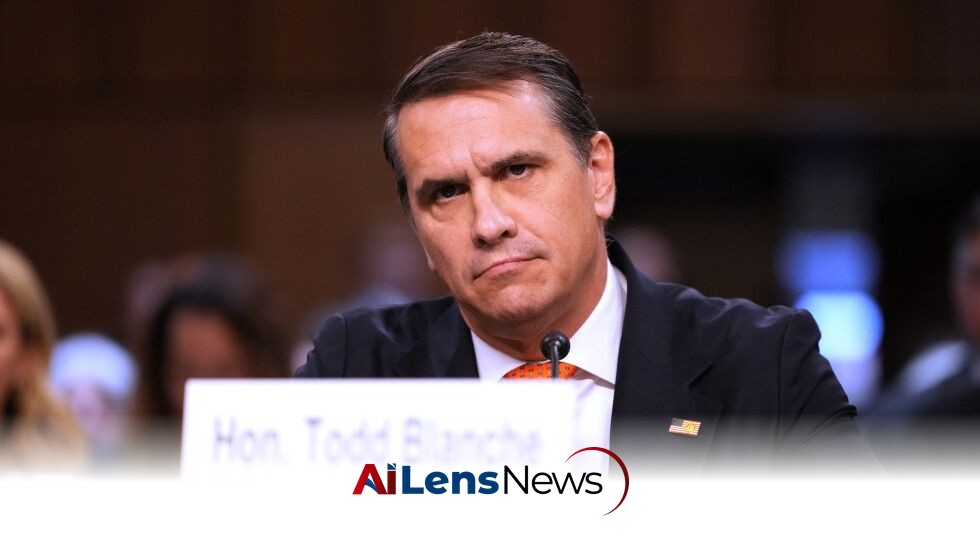


Acting Attorney General Todd Blanche has rescinded President Trump's controversial $1.8 billion fund aimed at compensating political allies, following negotiations with GOP senators blocking his nomination.
Washington DC, United States Aug 3, 2026 ALN: Acting Attorney General Todd Blanche issued a formal order late Sunday terminating President Donald Trump’s $1.8 billion “anti-weaponization fund” aimed at compensating his political allies. This decision comes in the wake of mounting pressure from Republican senators, particularly John Cornyn of Texas and Thom Tillis of North Carolina, who had been blocking Blanche’s nomination to become the permanent attorney general. As the political landscape continues to evolve, this move reflects the complexities of the relationship between the Trump administration and the Republican Party, especially as it pertains to the legal and political ramifications of the January 6 Capitol riots.
A spokeswoman for Senator Cornyn confirmed the agreement, which precedes a critical confirmation vote scheduled for Tuesday in the Senate Judiciary Committee. The negotiations surrounding Blanche’s nomination have been fraught with tension, as both Cornyn and Tillis sought written assurances regarding the fund before they would lend their support. This reflects a broader concern within the GOP regarding the implications of the fund, particularly as Trump has continued to express his support for it.
During a June hearing, Blanche indicated that the Justice Department would not proceed with the fund, which was intended to compensate individuals who believed they were unfairly prosecuted. This decision was met with bipartisan backlash, particularly due to concerns that individuals involved in the violent attack on the Capitol on January 6, 2021, could potentially benefit from such a fund. The actions of rioters that day, which resulted in significant injuries to law enforcement and extensive damage to the Capitol, have been a point of contention and division within the political sphere.
In a statement accompanying the termination order, the Justice Department emphasized the finality of this decision, stating that it “establishes, beyond any doubt, that there is no Fund.” This assertion comes in light of previous representations made to Congress and district courts that indicated the fund would not move forward. The order also highlighted that since the settlement of Trump’s lawsuit against the IRS was announced, no members had been appointed to oversee the fund, no funds had been transferred, and no claims had been processed, reinforcing the conclusion that the fund was effectively non-existent.
Furthermore, the document released by Blanche limits the scope of another provision from the settlement that granted broad immunity to Trump and his family from tax audits. The clarification states that the immunity applies only retroactively to claims open at the time of the settlement, thus leaving Trump vulnerable to scrutiny over future tax filings. This aspect of the order raises questions about the long-term implications for Trump’s financial dealings and the potential for future legal challenges.
Senators Cornyn and Tillis have echoed concerns voiced by their GOP colleagues regarding the fund, which has faced criticism from various factions within the party. Cornyn, who lost his reelection bid after Trump endorsed a primary opponent, and Tillis, who is set to retire at the end of his term, had previously postponed a vote on Blanche’s nomination that was originally scheduled for Thursday morning. Their insistence on securing more information from the administration before backing Blanche underscores the intricate dynamics at play within the Republican Party and the ongoing influence of Trump.
Despite Blanche’s efforts to align with the concerns of the senators, the situation became more complicated as Trump reportedly expressed dissatisfaction with the negotiations. Cornyn noted that there was a level of agreement between Blanche and the Department of Justice, but suggested that Trump’s involvement altered the course of discussions. This highlights the ongoing tension between the executive branch and congressional Republicans, particularly as they navigate the legacy of Trump’s presidency.
Blanche, who previously served as Trump’s defense attorney in criminal cases, ascended to the role of acting attorney general after Pam Bondi was dismissed by Trump. His appointment has been characterized by an aggressive pursuit of the Trump administration’s agenda, particularly in relation to investigations into political opponents. However, his tenure has also been marked by scrutiny regarding his impartiality and the ethical implications of his previous legal work for Trump.
As negotiations continued, Trump remained vocal about his support for the fund, asserting that those who faced charges stemming from the January 6 attack had “their lives destroyed.” He framed the fund as a means of providing reimbursement for the hardships these individuals endured, suggesting that there was significant public support for the initiative. This perspective illustrates the ongoing polarization within American politics, where differing views on accountability and justice continue to clash.
In light of the stalled confirmation process, Trump hinted at the possibility of withdrawing Blanche’s nomination and resubmitting it after Cornyn and Tillis exit the Senate next year. This potential strategy reflects a broader trend of Trump’s influence over GOP politics, as he seeks to maintain control over party dynamics and align future appointments with his vision.
Additionally, on Friday, Trump’s legal team notified a court of their intention to appeal a judge’s ruling that criticized the settlement of his lawsuit against the IRS as an improper exercise in self-dealing. The ruling also referred one of Trump’s attorneys for potential disciplinary action, further complicating the legal landscape surrounding Trump’s financial dealings. Blanche has publicly disagreed with the judge’s insinuations regarding his involvement in the settlement, maintaining that the Justice Department has acted appropriately throughout the process.
As the political ramifications of these developments continue to unfold, the Justice Department has pushed back against court demands for Blanche and other officials to file declarations under penalty of perjury regarding the fund. The department characterized these demands as “unnecessary,” suggesting a level of confidence in their position regarding the termination of the fund.
The implications of Blanche’s order extend beyond the immediate concerns surrounding the fund and the nomination process. They reflect the ongoing struggles within the Republican Party as it grapples with the legacy of Trump’s presidency, the fallout from the January 6 events, and the broader question of how to navigate the complexities of governance in a deeply divided political landscape. As the confirmation vote approaches, all eyes will be on the Senate Judiciary Committee and the potential ramifications for both Blanche and the Trump administration moving forward.
To learn more about the latest developments in Political Controversies, stay updated with our exclusive reports and analyses on AiLensNews.

