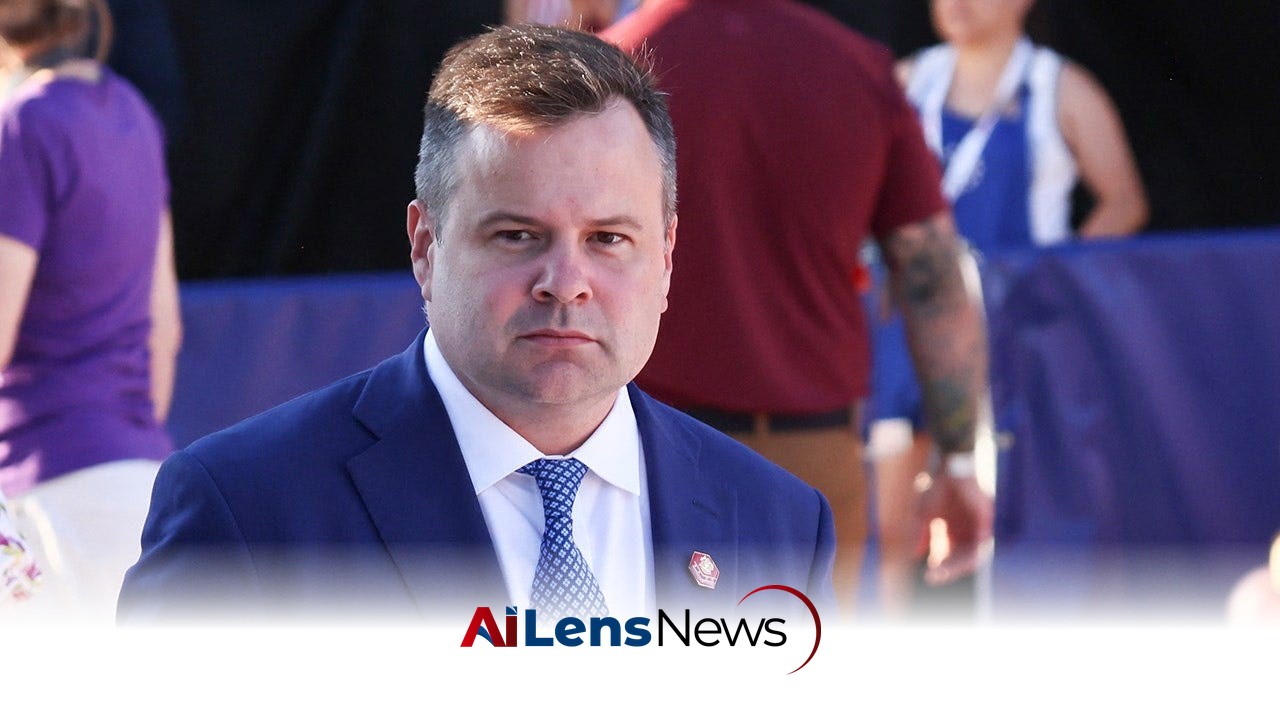


Acting DNI William Pulte reveals a 30% staff cut as the Senate prepares to confirm Trump's nominee Jay Clayton for the position.
Washington DC, United States Jul 28, 2026 ALN: Acting Director of National Intelligence William Pulte has announced a significant reduction in staff as the Senate prepares to vote on confirming President Trump’s nominee, Jay Clayton, for the position. In a recent post on social media, Pulte stated that the Office of the Director of National Intelligence (ODNI) is executing a fifth wave of layoffs, resulting in an approximate 30% reduction in personnel from previous weeks.
“Good News! In addition to the Historic DECLASSIFICATIONS (Transparency!) by the President, we are, this morning, Executing a 5th and Near Final Round of TERMINATIONS, an approximately 30% Staff Reduction from Weeks Ago,” Pulte wrote. He emphasized that the Intelligence Community's primary responsibility is to protect the American people, not to serve the interests of a perceived elite class. This statement reflects a broader narrative that has been prevalent in the current administration, which often frames the government and its agencies as needing a reset to better align with the interests of average citizens.
This announcement follows a series of layoffs initiated by Pulte since he took over as acting DNI last month. The reductions are part of a broader effort to streamline the agency and refocus its mission on national security and legal compliance. Pulte had previously indicated that the ODNI was becoming more efficient and effective, stating, “U.S. National Intelligence is operating more efficiently and effectively than ever before.” This assertion points to a significant shift in operational philosophy within the ODNI, suggesting a departure from prior practices that some within the administration have criticized as overly bureaucratic.
Prior to Pulte's appointment, President Trump had expressed his desire for a smaller ODNI, suggesting that many personnel from previous administrations should be let go. In a July post, Trump stated, “I’d like to see it smaller. I think there are a lot of people in there that shouldn’t be there.” This sentiment has resonated with a segment of the political spectrum that views government agencies as bloated and inefficient. By directing Pulte to begin this process, Trump indicated that the incoming DNI nominee should continue the effort, signaling a clear mandate for a transformation in the agency's structure and function.
As the Senate prepares to confirm Clayton, who previously served as the U.S. Attorney for the Southern District of New York, his confirmation hearing has already sparked significant debate. During the hearing, Democrats pressed Clayton on his views regarding the 2020 election claims and his delayed testimony, which was orchestrated by Trump over the SAVE America Act. This scrutiny reflects ongoing tensions within the political landscape, particularly regarding the integrity of the electoral process and the role of intelligence agencies in addressing such claims.
In a recent address, Sen. Tom Cotton (R-Ark.) mentioned that he had spoken with Pulte, who agreed on the necessity of returning the ODNI to its original size and mission. Cotton noted that a small number of front office personnel are leaving federal employment, which is common during leadership transitions, and that several career officers are returning to their home agencies. This transition period is often marked by uncertainty, as new leadership typically brings changes in priorities and operational focus.
The implications of these staff reductions and the confirmation of Jay Clayton are significant for the future of the ODNI. The agency, which was established in 2004 in response to the 9/11 terrorist attacks, has been tasked with coordinating the nation’s intelligence efforts. The current restructuring could lead to a more streamlined agency that prioritizes national security over other functions, a shift that may resonate with supporters of the current administration's approach to governance.
Historically, the ODNI has faced criticism for its size and operational effectiveness. Many have argued that the agency has become too large and unwieldy, leading to inefficiencies that hinder its ability to respond to emerging threats. By reducing personnel, the administration aims to create a more agile and responsive intelligence community capable of adapting to the rapidly changing global landscape.
Moreover, the ongoing debate surrounding Clayton’s confirmation highlights the broader political dynamics at play. The Senate's vote on Clayton is expected to be closely watched, as it not only determines the leadership of the ODNI but also reflects the Senate's stance on the administration's intelligence policies. If confirmed, Clayton's leadership will likely be scrutinized in terms of how he navigates the complex relationship between the intelligence community and the executive branch, particularly in light of the controversies surrounding the 2020 election and ongoing discussions about election integrity.
As the Senate is expected to vote on Clayton’s confirmation on Tuesday night, this moment represents a pivotal juncture for the ODNI and its operational focus. The outcome of this vote will have lasting implications for the agency's direction, the morale of its workforce, and the effectiveness of U.S. intelligence operations in an increasingly complex global environment. The decisions made in the coming days will not only shape the future of the ODNI but also signal to the public and the international community how the U.S. intends to approach intelligence and national security in the years ahead.
The reduction of staff within the ODNI also raises questions about the agency's ability to fulfill its critical functions. The ODNI serves as the principal advisor to the President on intelligence matters and is responsible for overseeing and coordinating the entire U.S. intelligence community, which includes agencies such as the CIA, NSA, and FBI. A significant reduction in personnel could lead to gaps in expertise and experience, potentially impacting the agency's ability to effectively analyze threats and provide timely intelligence to decision-makers.
Furthermore, the layoffs could affect the morale of remaining employees, who may feel uncertain about their job security and the future direction of the agency. The intelligence community relies heavily on the expertise and institutional knowledge of its personnel, and a mass exodus could disrupt ongoing operations and initiatives. The potential loss of seasoned professionals may hinder the ODNI's capacity to address complex global challenges, including cybersecurity threats, terrorism, and geopolitical tensions.
In this context, the Senate's confirmation of Jay Clayton becomes even more critical. Clayton's approach to leadership and his ability to foster a cohesive and motivated workforce will play a significant role in shaping the future of the ODNI. His confirmation could either reinforce the current administration's vision for a leaner intelligence community or prompt a reevaluation of priorities that could lead to a more balanced approach to national security and intelligence operations.
As the political climate evolves and public scrutiny of government agencies intensifies, the ODNI will need to navigate these challenges carefully. The agency must balance its mission of protecting national security with the need for transparency and accountability to the American people. The decisions made in the coming days will not only impact the agency's internal structure but also influence public perception of the intelligence community as a whole.
In conclusion, the significant staff reductions announced by Acting DNI William Pulte and the impending confirmation vote for Jay Clayton represent a critical moment for the ODNI. The outcomes of these developments will reverberate throughout the intelligence community and beyond, shaping the future of U.S. national security strategy and the effectiveness of intelligence operations in addressing the myriad challenges facing the nation. As the Senate prepares to vote, all eyes will be on the implications of these changes for the agency and the broader implications for U.S. governance and public trust in its institutions.
To learn more about the latest developments in Elections, stay updated with our exclusive reports and analyses on AiLensNews.

