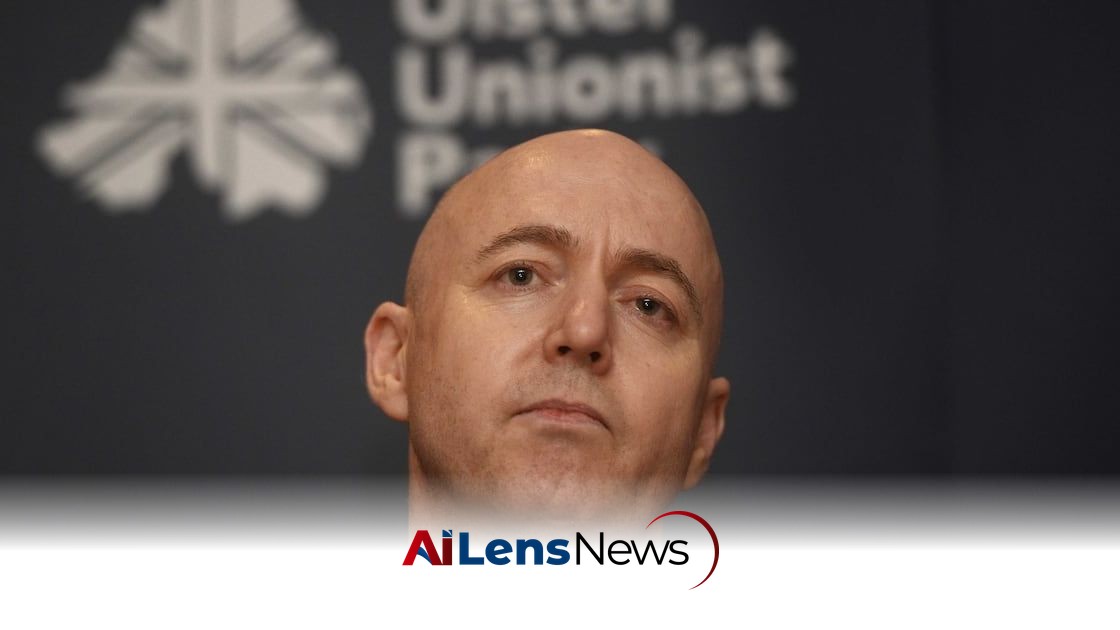


John Burrows, leader of the Ulster Unionist Party, condemns loyalist rioters targeting migrants, labeling them as 'traitors' and emphasizing the contributions of migrants to the health service.
London, United Kingdom Jul 24, 2026 ALN: Ulster Unionist leader John Burrows has branded loyalists involved in recent anti-migrant violence “traitors” and said the migrants they targeted are the ones keeping the health service on its feet. This statement comes amid a backdrop of rising tensions in Northern Ireland regarding immigration and the treatment of foreign nationals, especially in the context of the ongoing challenges faced by the National Health Service (NHS).
The former senior PSNI officer expressed his dismay and shame over the violent incidents that have occurred, which included homes being attacked, a bus being set on fire, and families being forced to flee their neighborhoods in fear. In his remarks, Burrows emphasized that those involved in the violence had betrayed their country, highlighting a significant rift within the community regarding the perception of migrants and their role in society.
Mr. Burrows, who took over the party leadership in January, made these comments during an interview with the Here’s How politics podcast released on Thursday. The host, William Campbell, posed a question regarding the actions of individuals who had been “out on the streets, burning down houses, stopping cars, trying to see if anybody looked a bit foreign inside.” Burrows responded emphatically, stating, “If you target people in my country on the basis of their skin colour and you chase them out of a hospital when they’re treating our citizens because they’re nurses who are a different colour than you, you are a traitor, not the person you’re chasing out.”
Burrows's strong language reflects a broader concern among political leaders and community members about the implications of such violence for social cohesion in Northern Ireland. He expressed his shame regarding the actions of those who burnt down a bus and targeted individuals in their homes, asserting that these individuals are not patriots but rather traitors to their community. This condemnation is significant in a region that has historically faced sectarian violence and division, as it draws a clear line between legitimate political discourse and violent extremism.
In his remarks, Burrows contrasted the actions of the rioters with those of “the law-abiding migrants in our country who’ve come in, who work hard, who actually keep our NHS on its feet, who provide skills that we don’t have, provide labour that we don’t have, and contribute to our society.” This acknowledgment of the positive contributions of migrants is crucial in countering the narrative that often paints them as a burden on public services and resources.
The violence that erupted in several areas of Northern Ireland in June was marked by masked mobs setting fire to homes, cars, and a bus, with individuals being targeted based on their race. Reports indicated that foreign national healthcare workers were also subjected to threats and intimidation, creating an atmosphere of fear and hostility that undermines the essential services they provide. The NHS, which has been under significant strain in recent years, relies heavily on the contributions of migrant workers, many of whom play vital roles in healthcare delivery.
Burrows acknowledged that there are legitimate public policy debates to be had on immigration, but he insisted that these discussions must be kept entirely separate from acts of racist violence. He stated, “They’re all different issues of public policy, which I think we do need to have conversations about. But I need to separate that from illegality targeted to people because of their colour. I don’t accept it. I condemn it. I can’t be any clearer about it.” This distinction is important as it underscores the need for constructive dialogue on immigration policy without resorting to violence or intimidation.
The rise in anti-migrant sentiment and associated violence in Northern Ireland reflects broader trends observed in various parts of the UK and Europe, where immigration has become a contentious issue. As economic conditions fluctuate and public services face increasing pressure, migrants often find themselves scapegoated for societal problems. This situation calls for a nuanced understanding of the contributions of migrants to society and the importance of fostering a culture of inclusion and respect.
In the wake of these events, community leaders and political figures are faced with the challenge of addressing the underlying issues that contribute to xenophobia and violence. Initiatives aimed at promoting integration, understanding, and respect for diversity are essential in building a cohesive society that values the contributions of all its members, regardless of their background.
Furthermore, the role of political leadership in shaping public discourse cannot be overstated. Leaders like Burrows have a responsibility to speak out against hate and violence, setting a tone for how communities engage with one another. By condemning the actions of the rioters and highlighting the positive impact of migrants, Burrows is taking a stand that could resonate with many who share his views but may feel marginalized or afraid to speak out.
As Northern Ireland navigates its complex social landscape, the importance of dialogue and understanding becomes increasingly clear. The events of recent months serve as a stark reminder of the fragility of social cohesion and the need for continued efforts to promote unity and respect among all members of society. The implications of these discussions extend beyond the immediate context of immigration and race, touching on broader themes of identity, belonging, and the values that underpin a democratic society.
In conclusion, the remarks made by John Burrows reflect a critical moment in the ongoing conversation about immigration and social cohesion in Northern Ireland. His condemnation of violence and emphasis on the contributions of migrants highlight the need for constructive dialogue and action to address the challenges facing communities today. As the region continues to grapple with its past and present, the path forward will require a commitment to inclusivity, understanding, and respect for all individuals, regardless of their background.
To learn more about the latest developments in Political Controversies, stay updated with our exclusive reports and analyses on AiLensNews.

