

More
Checking your session
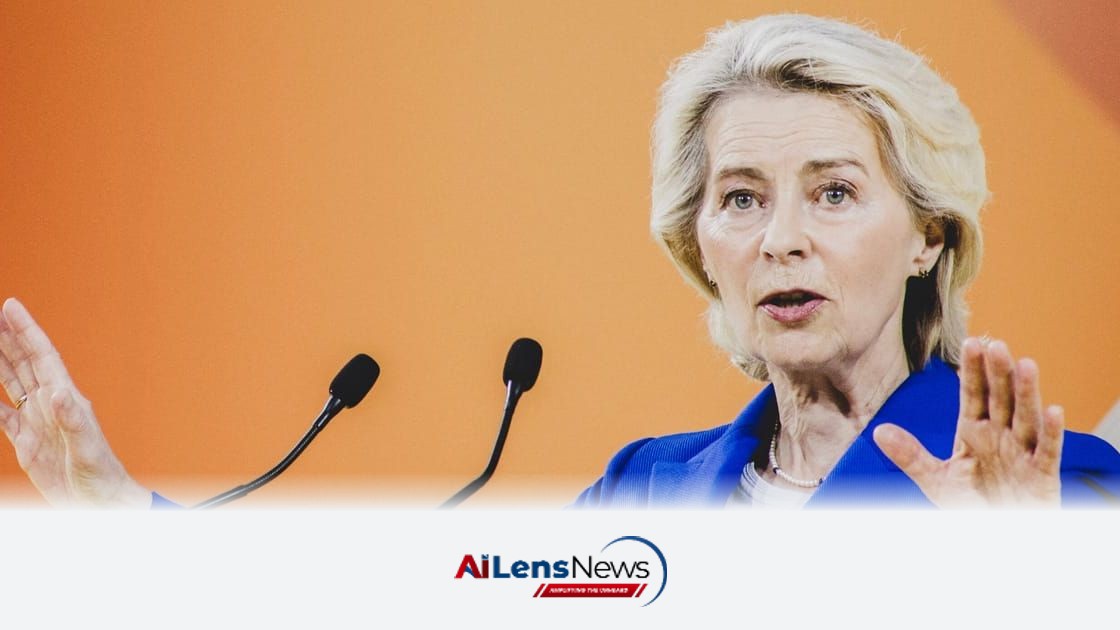



Ursula von der Leyen's upcoming State of the Union address will prioritize climate issues and artificial intelligence, as discussed in a recent meeting of EU officials.
London, United Kingdom Aug 28, 2026 ALN: Ursula von der Leyen, the President of the European Commission, is preparing to deliver her annual State of the Union address, with climate change and artificial intelligence (AI) expected to be at the forefront of her speech. This address, which is a key event in the European political calendar, provides an opportunity for the Commission to outline its priorities and set the agenda for the coming year.
The discussions surrounding the themes of the address were highlighted during a recent meeting in Jodoigne, Wallonia, where Bjoern Seibert, von der Leyen's chief of staff, engaged with the chiefs of staff from the other 26 commissioners. This post-summer gathering is traditionally used to align on the upcoming address, ensuring that the various departments of the Commission can present their priorities effectively.
Climate change has emerged as a critical issue for the European Union (EU), particularly in light of the extreme weather events witnessed over the summer, including devastating floods and wildfires. These incidents have underscored the urgency of the climate crisis and have prompted calls for more robust action to mitigate its effects. The focus on climate in von der Leyen’s upcoming speech is also a response to the challenges faced by her administration in defending the EU's ambitious 2040 emissions reduction targets. As the Commission navigates the complex landscape of environmental policy, it must balance the need for substantial climate action with the economic concerns raised by industry and member states.
The pressure to limit the economic impact of the green transition has been mounting, with various stakeholders advocating for a more measured approach to climate policies. This dynamic presents a significant challenge for the Commission, as it seeks to maintain its commitment to sustainability while addressing the legitimate concerns of businesses and national governments regarding the economic implications of such policies.
Artificial intelligence is another theme set to feature prominently in the State of the Union address. The rapid adoption of AI technologies has sparked a debate about their impact on the labor market. During the preparatory discussions, Seibert emphasized the need to present data on job creation and loss as a result of AI integration across various sectors. The Commission has tasked its relevant policy units, particularly the Directorate-General for Communications Networks, Content and Technology (DG Connect), with gathering updated statistics to inform this aspect of the speech.
The implications of AI on employment are profound, as automation and intelligent systems are expected to both displace certain job categories while simultaneously creating new opportunities in emerging fields. The Commission's approach to this topic will be crucial in shaping public perception and policy responses to the challenges and opportunities presented by AI.
Migration is another significant issue anticipated to be addressed in von der Leyen's speech, particularly in light of the ongoing crisis in Ceuta, a Spanish autonomous city located on the border with Morocco. The situation has highlighted the complexities of migration policy within the EU and the need for a coordinated response. As part of this discussion, the Commission is expected to announce plans to revamp the mandate and operations of Frontex, the EU's border agency, which has faced scrutiny over its effectiveness and human rights record.
In addition to these pressing issues, the State of the Union address is expected to touch upon social policy, coinciding with the upcoming 10th anniversary of the European Pillar of Social Rights. This framework aims to promote social rights across the EU, addressing issues such as fair working conditions, social protection, and inclusion. The inclusion of social policy themes reflects the Commission's recognition of the importance of social cohesion in the context of economic recovery and growth.
The topics for the address are still being finalized, with the Commission's various departments having submitted proposals outlining their priorities. The competition for inclusion in the speech is fierce, as even a brief mention can elevate the political significance of a policy file within the Commission's hierarchy. This dynamic underscores the importance of strategic communication and lobbying within the EU's complex institutional framework.
Commissioners will have another opportunity to advocate for their priorities during the upcoming College seminar in Tervuren, which marks the beginning of the new political season. This seminar is seen as a critical moment for commissioners to make their case to von der Leyen before she finalizes her speech, further emphasizing the competitive nature of the political landscape within the Commission.
As the date of the State of the Union address approaches, the anticipation surrounding von der Leyen's speech continues to grow. The address not only serves as a platform for the Commission to outline its agenda but also reflects the broader political and social challenges facing the EU. The themes of climate change and AI, in particular, resonate with key global issues, and the Commission's approach to these topics will likely have significant implications for the EU's future direction and its role on the world stage.
To learn more about the latest developments in Elections, stay updated with our exclusive reports and analyses on AILensNews.
Prime Minister Shehbaz Sharif emphasized the significance of the Makkah Joint De…

Activists gathered in Washington to oppose Republican voting restrictions, marki…

Assam must evolve from a transit corridor to a decision-making hub within the BB…

In a recent statement, Mukul M. Sangma, Leader of the Opposition, outlined his s…
In a recent phone call, Qatar's Prime Minister and Kuwait's Foreign Minister foc…