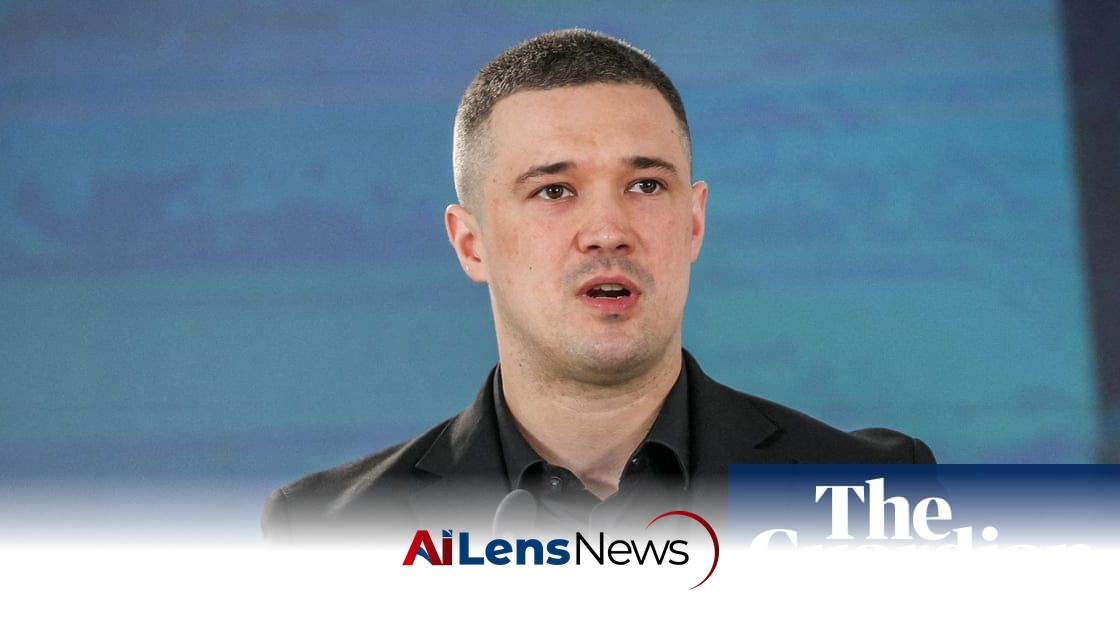


President Volodymyr Zelenskyy has dismissed Defence Minister Mykhailo Fedorov, a key figure in Ukraine's military reforms, despite international pleas for his retention.
London, United Kingdom Jul 16, 2026 ALN: In a significant political move, Ukrainian President Volodymyr Zelenskyy has dismissed Defence Minister Mykhailo Fedorov, a decision that has sparked outrage among supporters and comes amidst a broader government reshuffle. This unexpected change occurs just as British Prime Minister Keir Starmer is set to visit Ukraine, highlighting the timing's potential impact on international relations.
Fedorov, who announced his departure via a post on Telegram, expressed his gratitude for the opportunity to serve, stating it was a "great honour" to lead the ministry. He has been credited with significant reforms within the defence sector, including efforts to reduce corruption and enhance military capabilities. His tenure has been marked by a commitment to modernizing Ukraine's military infrastructure and improving the efficiency of its operations, especially in the face of ongoing aggression from Russia.
During his six-month tenure, Fedorov oversaw a remarkable transformation in Ukraine's military posture. His leadership coincided with notable successes on the battlefield, including effective strikes against Russian oil refineries using long-range drones. These actions have not only embarrassed the Kremlin but also contributed to fuel shortages across Russia, demonstrating the strategic impact of Ukraine's military operations.
In his farewell message, Fedorov highlighted several key achievements, such as:
Additionally, on the day of his dismissal, Fedorov revealed that Ukraine's military had successfully tested a new ballistic missile, claiming improvements in accuracy and cost efficiency. Such advancements are vital for Ukraine as it continues to face a technologically superior adversary. The successful testing of new military technology not only boosts the morale of Ukrainian forces but also sends a strong message to both domestic and international audiences about Ukraine's commitment to enhancing its defence capabilities.
The dismissal of Fedorov is likely to overshadow Starmer's visit, which aims to reaffirm the UK's support for Ukraine amidst ongoing conflicts with Russia. The reshuffle also includes the resignation of Prime Minister Yulia Svyrydenko, with speculation surrounding her replacement, likely to be Serhiy Koretskyi, head of the energy company Naftogaz. This change in leadership raises concerns about the stability of Ukraine's government during a critical period of conflict.
Fedorov's removal has drawn criticism from various quarters, including former US ambassador to Moscow, Michael McFaul, who urged Zelenskyy to reconsider the decision. His supporters argue that the move undermines the progress made in military reforms and could hinder Ukraine's efforts in the ongoing war. The perception of instability at the top levels of military leadership may also affect the confidence of both the military personnel and the civilian population, who rely on clear and consistent leadership during such tumultuous times.
Public sentiment has been largely negative regarding Fedorov's dismissal. Many took to social media to express their discontent, with comments ranging from confusion to outright condemnation of the decision. One supporter remarked, "I don’t understand this decision," while another emphasized Fedorov's role in instilling hope among the populace during a challenging time. This public backlash reflects a broader concern about the direction of Ukraine's military strategy and the potential consequences of leadership changes amidst an ongoing war.
Political analysts have described the frequent changes in Ukraine's defence leadership as "abnormal," especially given the context of an ongoing large-scale war. Artem Bronzhukov, deputy director of the Politika think tank, noted that Fedorov had made visible improvements in a short period, particularly in the context of military operations in Crimea. Such rapid changes can create uncertainty within the military and may disrupt ongoing operations, which is particularly concerning given the strategic importance of Crimea in the conflict.
The reshuffle comes at a time when Ukraine is facing unprecedented challenges due to the ongoing conflict with Russia, which began in 2014 and escalated significantly in 2022. The war has had profound implications for Ukraine’s sovereignty, security, and territorial integrity. The international community has largely rallied behind Ukraine, providing military, financial, and humanitarian support. However, internal political stability is crucial for maintaining this support and effectively managing the war effort.
Moreover, the reshuffle reflects ongoing tensions within the Ukrainian government regarding the handling of the war and the allocation of resources. As the conflict drags on, there are increasing pressures on the government to deliver results on the battlefield while also addressing domestic concerns such as corruption and economic stability. The leadership changes may be seen as an attempt by Zelenskyy to consolidate power and ensure that his administration is aligned with his vision for the war effort.
The dismissal of Mykhailo Fedorov marks a pivotal moment in Ukraine's ongoing conflict with Russia, raising questions about the future direction of the country's military strategy and governance. As the situation unfolds, the implications of this reshuffle will be closely monitored both domestically and internationally. The ability of the new leadership to maintain momentum in military reforms and operational effectiveness will be critical as Ukraine continues to navigate the complexities of war and international diplomacy.
To learn more about the latest developments in Political Controversies, stay updated with our exclusive reports and analyses on AiLensNews.

