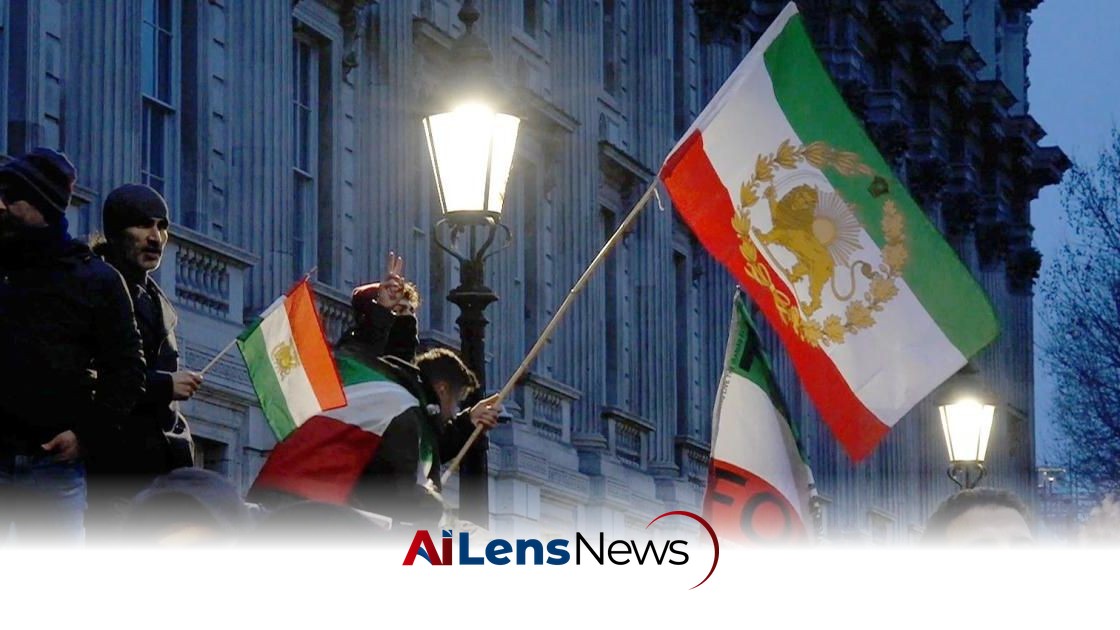


The UK Government plans to designate Iran's Islamic Revolutionary Guard Corps and other groups as terrorist organizations due to threats and intimidation.
London, United Kingdom Jul 13, 2026 ALN: THE UK Government is set to proscribe Iran’s Islamic Revolutionary Guard Corps (IRGC).
In a written statement to Members of Parliament (MPs), security minister Angela Eagle stated that the UK Government had "identified activity linked to the IRGC involving threats to life and intimidation on UK soil". This announcement marks a significant escalation in the UK’s response to perceived threats from foreign entities, particularly those associated with Iran and Russia.
The IRGC, established in 1979 following the Iranian Revolution, is a branch of the Iranian Armed Forces. It is distinct from the regular military and has a wide-ranging role that includes military, political, and economic functions. The IRGC is known for its involvement in various operations abroad, including support for proxy groups in the Middle East and beyond. The designation of the IRGC as a proscribed organization in the UK reflects growing concerns about its activities and influence not only in the region but also within the UK itself.
A second Iran-linked group, the Islamic Movement of Companions of the Right (IMCR), is also set to be designated by the UK Government following a series of attacks on the Jewish community in Britain. The IMCR is relatively obscure compared to the IRGC, but its designation indicates the UK Government's commitment to addressing all forms of extremism and violence that threaten community safety.
The UK Government has expressed particular concern over the IMCR's alleged involvement in multiple attacks targeting Jewish and Israeli communities, which have raised alarm among community leaders and law enforcement agencies. The decision to proscribe this group suggests a proactive approach to countering antisemitism and protecting minority communities in the UK.
A third group, Russia's Gru military intelligence volunteer corps, will also be proscribed under the plans if the UK Parliament approves them later this week. This organization has been accused of engaging in activities that threaten the security of the UK and Europe, including sabotage and other forms of interference. The inclusion of a Russian group in this proscription highlights the UK Government's broader strategy to counteract Russian influence and aggression, particularly in light of recent geopolitical tensions.
In order for a body to be designated as a proscribed organization, the Home Secretary must reasonably believe that it is, or has been, involved in foreign power threat activity and must consider that designation is necessary to protect the safety or interests of the United Kingdom. This legal framework allows the government to act swiftly against groups perceived as a threat to national security.
In her written statement, Eagle noted that Home Secretary Shabana Mahmood is satisfied that the statutory test is met for each of the three bodies. This assertion underscores the government's commitment to ensuring that its actions are grounded in legal justification, which is essential for maintaining public trust and accountability.
Eagle stated: “The IRGC is a central component of the Iranian state’s security apparatus, answerable directly to Iran’s Supreme Leader. Its role extends far beyond that of a conventional military force. It encompasses intelligence activity, the use of proxy actors, and the projection of influence designed to advance Iranian state objectives.” This characterization of the IRGC illustrates the multifaceted nature of the threats posed by Iran, as its influence extends into various regions and communities.
Foreign Secretary Yvette Cooper has emphasized that the new proscription-like powers to be applied to the Iranian and Russian-linked groups will hold "malign behaviour" to account. This statement indicates a broader strategic shift in the UK’s foreign policy, aiming to address not only direct threats but also the indirect ways in which foreign states can undermine national security.
The move to designate these three organizations will effectively ban them by making it a criminal offence to support, assist, or obtain a material benefit from a designated body. This legal framework is designed to deter individuals and organizations from engaging with these groups, thereby limiting their operational capacity within the UK.
Cooper stated: “As foreign states increasingly seek to back threats on our streets, we are cracking down on those who try to undermine our country and its security. Iran and Russia’s use of proxy groups to carry out state-backed activity on our soil is reprehensible.” This statement highlights the UK Government's recognition of the evolving nature of threats in the modern world, where state actors can utilize non-state groups to achieve their objectives without direct involvement.
Furthermore, Cooper added that the IMCR has publicly claimed responsibility for seven "abhorrent" attacks at locations linked to Jewish and Israeli communities, and Persian-language media in the UK earlier this year. This acknowledgment of specific incidents underscores the urgency of the government's response and the need for effective measures to protect vulnerable communities.
The implications of these designations are significant. By proscribing these groups, the UK Government is signaling a zero-tolerance approach to foreign interference and extremism. It also sends a clear message to other nations that the UK will not tolerate actions that threaten its citizens or undermine its social fabric.
Cooper concluded: “Their malign behaviour, and anyone who acts on their behalf, must be held to account. My message to Iran and Russia, and anyone who does their bidding, is clear. We will take all measures necessary to protect the British people, at home and abroad.” This declaration reflects a commitment to national security that may lead to increased scrutiny of foreign entities operating in the UK, as well as potential diplomatic repercussions for Iran and Russia.
As the UK Parliament prepares to debate these proposed designations, the political landscape surrounding national security and foreign policy will likely evolve. The discussions will not only focus on the immediate implications of proscribing these organizations but also on the broader context of the UK's relationship with Iran and Russia. The effectiveness of these measures in deterring future threats will be closely monitored, and the government may face pressure to demonstrate tangible results in safeguarding the public.
In conclusion, the UK Government's move to proscribe the IRGC, IMCR, and the Gru military intelligence volunteer corps marks a critical step in addressing foreign threats and protecting national security. The implications of this decision will reverberate through domestic and international channels, shaping the UK's approach to countering extremism and foreign influence in the coming years.
To learn more about the latest developments in Political Controversies, stay updated with our exclusive reports and analyses on AiLensNews.

