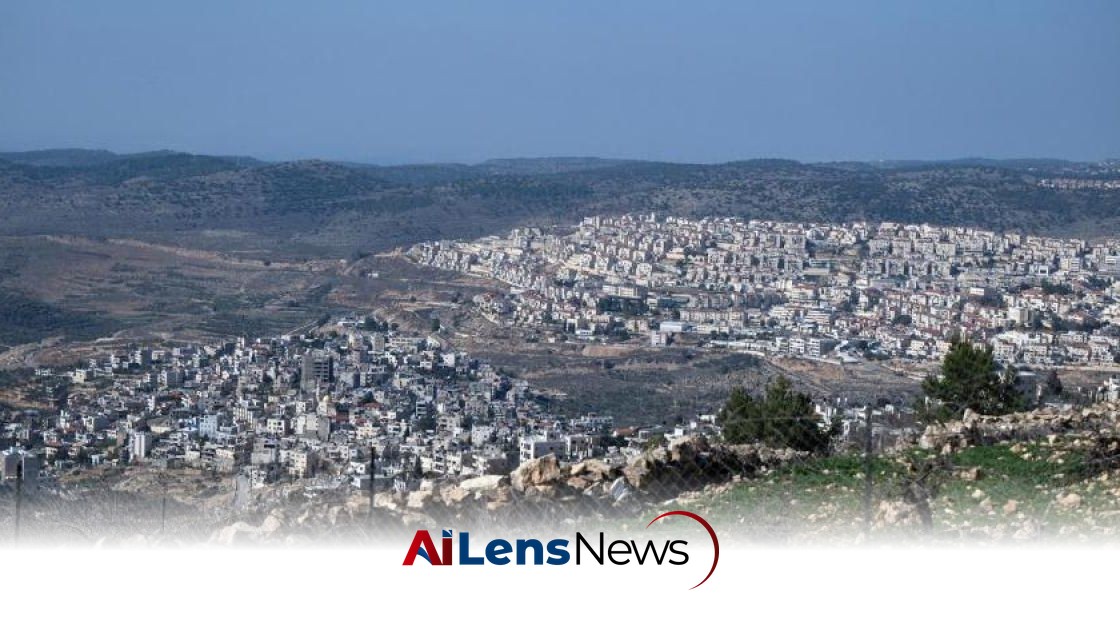


Despite calls for investigation, illegal homes in West Bank settlements continue to be marketed to UK buyers through an Israeli property event.
London, United Kingdom Jul 19, 2026 ALN: The issue of illegal homes in West Bank settlements has resurfaced in the UK, drawing significant attention from human rights organizations, political figures, and the general public. Recent events surrounding the "Great Israeli Real Estate Event" have raised questions about the legality and ethics of promoting real estate in contested territories, particularly those recognized as illegal under international law.
West Bank settlements have been a contentious topic for decades, with the international community largely viewing them as violations of the Fourth Geneva Convention, which prohibits an occupying power from transferring its own civilian population into the territory it occupies. The United Nations and various human rights organizations have consistently condemned these settlements, arguing that they undermine the prospects for peace and a two-state solution between Israelis and Palestinians.
During the Great Israeli Real Estate Event, which took place in June, organizers distributed pamphlets featuring properties located in Ma’ale Adumim, Givat Ze’ev, Kfar Eldad, and Teneh Omarim, all situated in the occupied West Bank. Additionally, properties in East Jerusalem, specifically Ramat Eshkol and Givat Hamatos, were also promoted. These areas have been a focal point of conflict, as they are claimed by both Israelis and Palestinians, making the promotion of real estate in these locations particularly controversial.
Amnesty International, a prominent human rights organization, publicly criticized the event, stating that it contributes to the normalization of illegal settlements. Ahead of the event, they urged the UK government to take action against the promotion of these properties. Their concerns were echoed by a coalition of 100 Members of Parliament and peers, who signed a letter calling for the event to be halted. This level of political engagement highlights the serious implications that such events have on public perception and international relations regarding the Israeli-Palestinian conflict.
Despite the protests, the event proceeded, and shortly after its conclusion, it was revealed that the London Metropolitan Police would not be investigating the organizers. However, the Advertising Standards Authority indicated that they would look into the matter, reflecting the growing concern over the legality of marketing properties in these settlements.
In the aftermath of the event, organizers issued an apology for what they described as an "error" in the brochures distributed. However, this response did little to quell the outrage from advocacy groups like the International Centre of Justice for Palestinians (ICJP). Órlaith Roe, the ICJP’s public affairs and communications officer, expressed disappointment that the event was allowed to proceed despite explicit warnings. She emphasized the need for accountability, stating that if charities can facilitate the promotion of illegal settlements without consequences, it undermines public trust in charity regulations.
Roe's statements underscore a critical point regarding the responsibilities of charities and organizations in the UK. If these entities are found to be complicit in promoting activities that contravene international law, it raises ethical questions about their operations and the oversight provided by regulatory bodies such as the Charity Commission. The call for an urgent investigation into the matter reflects broader concerns about the UK's role and responsibilities in relation to international law and human rights.
In July, the controversy continued when it was reported that organizers of the event had sent out emails advertising additional West Bank properties on behalf of the Israeli real estate company Harey Zahav. This development further fueled criticism from various advocacy groups, including Jewish Anti-Zionist Action. An anonymous source from the group described the promotion of these properties as a blatant denial of Palestinian rights, framing it as a continuation of ethnic cleansing in the region.
The implications of these activities extend beyond the immediate concerns of property sales. They touch on larger issues of international law, human rights, and the ongoing Israeli-Palestinian conflict. The UK government’s stance on Israeli settlements has been one of cautious condemnation; however, the actions of charities and private entities may complicate this position. The revelation that charities in England and Wales have donated a substantial £28 million to illegal settlements raises critical questions about the flow of resources and the potential complicity of UK entities in activities deemed illegal under international law.
MP Melanie Ward has taken a proactive approach in addressing these concerns by formally complaining to the Charity Commission after uncovering evidence of donations to illegal Israeli settlements. Her claims suggest that if Gift Aid had been claimed on these donations, it could have resulted in £5.6 million of taxpayer money inadvertently supporting activities associated with illegal settlements. This highlights the need for stringent oversight and transparency in charitable donations, particularly when they involve politically sensitive issues.
As the situation evolves, the implications for UK-Israel relations and the broader geopolitical landscape remain significant. The ongoing promotion of illegal settlements not only affects the lives of Palestinians but also complicates diplomatic efforts aimed at resolving the Israeli-Palestinian conflict. The international community, including the UK government, will need to navigate these challenges carefully, balancing domestic interests with international obligations and human rights considerations.
In conclusion, the targeting of UK buyers for illegal homes in West Bank settlements through events like the Great Israeli Real Estate Event raises critical ethical and legal questions. The response from human rights organizations, political figures, and the general public underscores the importance of addressing these issues head-on. As discussions surrounding the legality of settlements continue, the role of charities and private entities in promoting such activities will undoubtedly remain a focal point of scrutiny and debate.
To learn more about the latest developments in Political Controversies, stay updated with our exclusive reports and analyses on AiLensNews.

