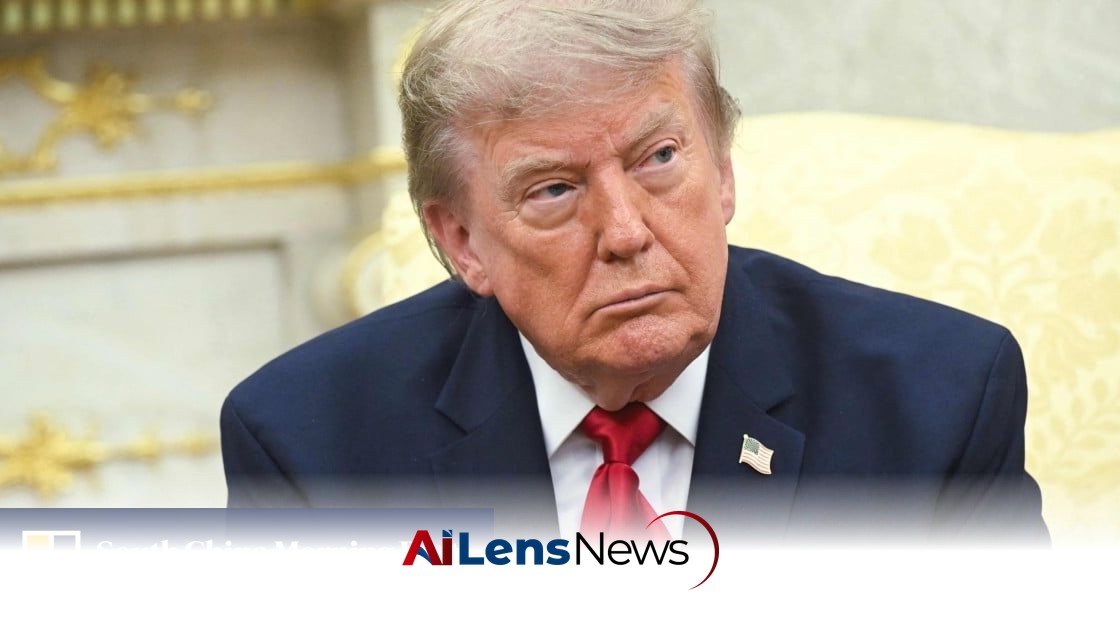


In a recent policy shift, President Trump has scrapped the proposed toll on Hormuz Strait cargo while maintaining a blockade on Iranian trade.
London, United Kingdom Jul 14, 2026 ALN: US President Donald Trump on Tuesday abandoned plans to impose a 20 percent charge on commercial cargo passing through the Strait of Hormuz, less than a day after unveiling the proposal, while pressing ahead with a naval blockade targeting Iranian trade.
Trump stated that the proposed fee would be replaced by trade and investment agreements with Gulf states following discussions with regional leaders. This decision reflects a significant shift in strategy regarding the United States' approach to securing one of the world's most critical maritime chokepoints. The Strait of Hormuz is particularly significant, as it serves as a vital artery for global energy supplies, with approximately 20 percent of the world's oil and natural gas transiting through it.
In his announcement, Trump emphasized the importance of fostering economic ties with Gulf countries, which are vital partners in the region. He wrote, “Based on highly productive conversations with Middle East leadership, I have decided to replace the 20% United States Reimbursement Fee with Trade and Investment Deals that the various Gulf States will be making into the United States.” This statement underscores the administration's focus on strengthening economic relationships, potentially as a means of enhancing regional security cooperation.
While Trump described the investments as “MASSIVE” and beneficial to the countries involved, he did not identify the participating governments, specify the value of the commitments, or clarify whether they represented new pledges. This lack of detail raises questions about the feasibility and actual impact of these agreements. Economic partnerships can be complex and require careful negotiation, especially in a region characterized by varying political interests and economic conditions.
The reversal of the toll plan came after Trump had declared on Monday that Washington would charge eligible vessels a fee equivalent to 20 percent of the value of their cargo to help cover the cost of securing the strategic waterway. This initial proposal was met with skepticism and concern from various stakeholders, including shipping companies, international trade organizations, and allied governments, who feared that such a fee could disrupt global trade and increase shipping costs. The potential for increased costs associated with shipping could have had a ripple effect on global oil prices, impacting economies far beyond the region.
Trump had described the United States as the “guardian” of the Strait of Hormuz, emphasizing the strategic importance of this maritime route. The Strait of Hormuz is a narrow passage that connects the Persian Gulf to the Arabian Sea, making it a critical conduit for energy supplies. The geopolitical significance of this waterway cannot be overstated, as it is a key route for oil tankers and other commercial vessels, and any disruption could have far-reaching implications for global energy markets. The potential for a toll could have led to a re-evaluation of shipping routes, with some companies possibly seeking alternative paths that could be longer and more expensive.
The decision to abandon the toll plan comes in the context of heightened tensions in the region, particularly between the United States and Iran. The US has maintained a naval presence in the Gulf to deter Iranian aggression and ensure the free flow of commerce. The naval blockade targeting Iranian trade is part of a broader strategy aimed at curtailing Iran's influence and activities in the region, which the US government has characterized as destabilizing. Iran has long viewed the Strait of Hormuz as a key strategic asset and has threatened to close it in response to US sanctions and military actions. Such threats have raised alarm among international shipping companies and have prompted calls for increased security measures in the region.
The implications of Trump's decision to abandon the toll plan could be significant. By opting for trade and investment agreements instead, the administration may be attempting to strengthen economic ties with Gulf nations, which could lead to increased cooperation in security matters as well. This approach might also be seen as an effort to alleviate some of the financial burdens associated with maintaining a military presence in the region. However, the lack of specifics regarding the proposed investments raises concerns about the actual commitment from Gulf states. Without clear details on the nature and scale of these investments, it remains uncertain whether they will sufficiently replace the revenue that would have been generated by the toll on cargo.
Additionally, the effectiveness of such agreements in countering Iranian influence in the region is still to be seen. The regional dynamics are further complicated by the varying interests of Gulf states themselves. Countries such as Saudi Arabia, the United Arab Emirates, and Qatar have different economic priorities and relationships with Iran, which could influence their willingness to engage in new trade agreements with the US. Any perceived favoritism or imbalance in these agreements could lead to tensions among Gulf nations, potentially undermining the collective security efforts against Iran.
Furthermore, the international community will be closely monitoring the US's approach to the Strait of Hormuz, as any significant changes to its maritime security strategy could have repercussions for global oil prices and supply chains. The Strait's critical role in international trade means that any escalation of tensions or disruption in the region could lead to increased volatility in global markets. The interconnectedness of global economies means that actions taken in the Gulf can have reverberating effects worldwide, influencing everything from energy prices to inflation rates in various countries.
In summary, while Trump's abandonment of the toll plan may be seen as a pragmatic response to regional dynamics and stakeholder concerns, it raises important questions about the US's long-term strategy in the Gulf. The shift towards trade and investment agreements with Gulf states could foster stronger economic ties, but the success of this approach will depend on the details of the agreements and the willingness of Gulf nations to engage with the US on these terms. As the situation continues to evolve, the implications for regional stability and international trade remain a critical area of focus for policymakers and analysts alike. The administration's next steps will be crucial in determining whether these new trade agreements can effectively address the challenges posed by Iranian activities and contribute to a more stable and secure maritime environment.
To learn more about the latest developments in Political Controversies, stay updated with our exclusive reports and analyses on AiLensNews.

