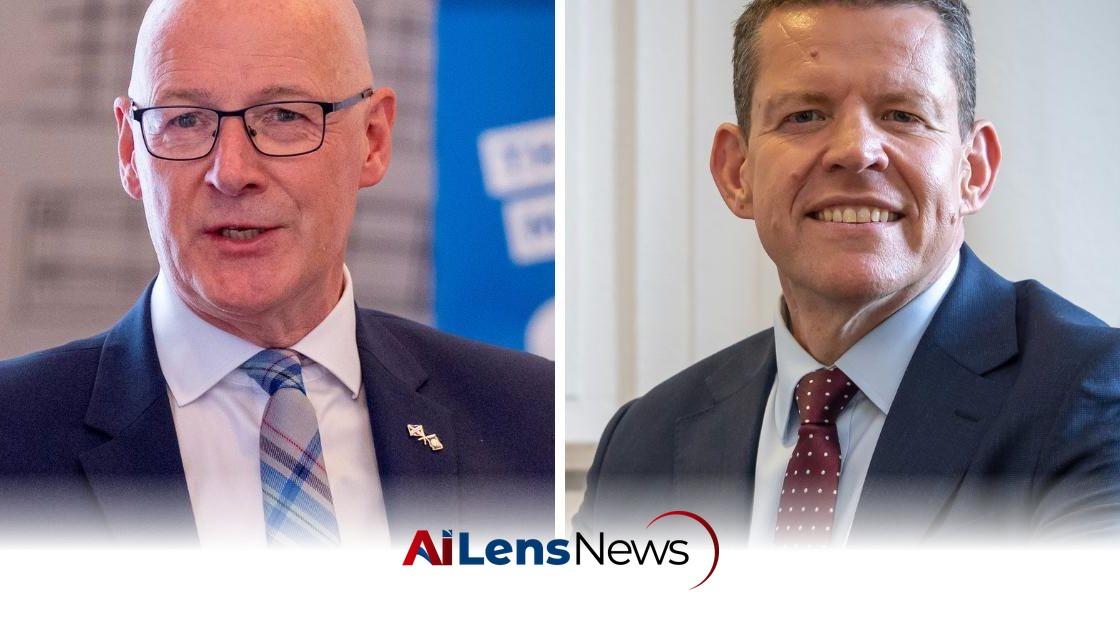


The First Ministers of Scotland and Wales express optimism after their initial discussions with Prime Minister Andy Burnham, highlighting a potential shift towards a more constructive relationship.
London, United Kingdom Jul 24, 2026 ALN: The First Ministers of Scotland and Wales, John Swinney and Rhun ap Iorwerth respectively, have recently articulated their thoughts following their inaugural meetings with Prime Minister Andy Burnham. Both leaders expressed optimism regarding the potential for a more constructive relationship between their devolved governments and the UK government, particularly given Burnham's background in devolution governance. This meeting marks a significant moment in UK politics, especially in the context of ongoing discussions about the balance of power between Westminster and the devolved administrations.
Burnham, who previously served as the Mayor of Greater Manchester, brings a unique perspective to the role of Prime Minister. His experiences in local governance and devolution have shaped his understanding of the complexities involved in managing relationships between different levels of government. The timing of these discussions coincided with the opening of the Commonwealth Games in Glasgow, an event that highlights Scotland's role on the global stage and the importance of intergovernmental relations.
During their discussions, both Swinney and ap Iorwerth emphasized the need for further devolution of powers to their respective nations. Swinney noted that Burnham's tenure as mayor had influenced his perspective on decentralizing power away from London, which aligns with the aspirations of the Scottish Government. The acknowledgment by the Prime Minister that the traditional Westminster system may not adequately serve Scotland is seen as a positive step towards a more tailored governance approach.
In his remarks to the press, John Swinney reflected on the constructive nature of his conversation with Prime Minister Burnham. He highlighted their long-standing relationship, which has included discussions in various capacities, both at Westminster and in Burnham's role as Mayor of Greater Manchester. Swinney expressed appreciation for the Prime Minister's understanding of the governance challenges facing Scotland. He stated, "I think one of the things that helps us in taking forward our relationship is the fact that he and I have had a number of discussions both in his Westminster capacity, as chief secretary to the Treasury, and in his Greater Manchester capacity as mayor."
Swinney's comments underscore a critical point: the importance of dialogue and collaboration in addressing the governance needs of Scotland. He conveyed that the Prime Minister's commitment to engaging with the Scottish Government on matters of devolution is crucial for ensuring effective governance that meets the needs of Scottish citizens. The assurance that discussions around devolving powers would not occur without the involvement of the Scottish Government is particularly significant, as it suggests a willingness to collaborate rather than impose decisions from Westminster.
However, the issue of Scottish independence remains a sensitive topic. Burnham has made it clear that discussions surrounding a second referendum on independence are not on the table, which could be a point of contention moving forward. Swinney expressed his intention to revisit the independence conversation, emphasizing that it is a fundamental democratic question that requires resolution. Nevertheless, he acknowledged the importance of focusing on practical governance issues in the interim.
The discussions around further devolution also reflect broader trends in UK politics, where calls for greater autonomy and power-sharing arrangements have gained momentum. The relationship between the UK government and the devolved administrations has been historically complex, often characterized by tensions over issues of sovereignty and governance. The current climate, however, appears to be shifting towards a more cooperative approach, particularly with leaders like Burnham who have firsthand experience in local governance.
In the context of Scottish governance, the potential for further devolved powers raises questions about the future of the Union itself. As Scotland continues to assert its identity and pursue greater autonomy, the UK government must navigate these dynamics carefully to maintain stability and unity across the nations. The ongoing dialogue between Burnham and Scottish leaders could serve as a model for addressing similar issues in Wales and Northern Ireland.
Another significant aspect of the meeting was the discussion surrounding Douglas Alexander's continued role as Scottish Secretary. Swinney has previously indicated that Alexander's appointment had contributed to a deterioration in relations between the Scottish and UK governments. Despite this, Swinney refrained from lodging formal complaints about Alexander's position, instead opting to express his perspective on the matter. This approach reflects a desire to foster a constructive relationship with the Prime Minister, as both leaders navigate the complexities of intergovernmental relations.
Swinney's comments suggest a recognition of the importance of maintaining open lines of communication, even when disagreements arise. The Prime Minister's commitment to a respectful relationship with the Scottish Government is a crucial factor in rebuilding trust and collaboration. As both parties work towards shared goals, it will be essential to establish mechanisms for ongoing dialogue and cooperation.
Turning to Wales, Rhun ap Iorwerth's reflections on his meeting with Burnham echo similar themes of constructive engagement. As the First Minister of Wales, ap Iorwerth articulated the need for parity of powers between Wales and Scotland, particularly in areas such as policing, rail, and the Crown Estate. The current disparity in devolved powers has been a contentious issue, and ap Iorwerth is advocating for a more equitable distribution of authority across the UK.
Ap Iorwerth's emphasis on the distinct needs of Wales in relation to devolution highlights the complexities of governance in a multi-national state. He pointed out that while devolution in Manchester and Wales may share some similarities, the specific needs and contexts of each region necessitate tailored approaches. His focus on evidence-based policymaking, as demonstrated through references to the Silk and Thomas Commissions, underscores the importance of a well-informed and justified approach to governance.
The First Minister's remarks also reflect a broader desire for a more collaborative relationship with the UK government. His acknowledgment of Burnham's commitment to listening to the needs of the nations and regions suggests a potential shift in the dynamics of Westminster's approach to devolution. Ap Iorwerth's call for a fairer funding formula and increased fiscal flexibility aligns with ongoing discussions about the financial sustainability of devolved administrations.
As ap Iorwerth noted, Burnham's assertion that Whitehall will no longer resist calls for greater devolution is a significant departure from previous attitudes. This statement, if acted upon, could pave the way for more substantial reforms in the governance of Wales and potentially other regions within the UK. The challenge will be to translate these commitments into tangible outcomes that address the specific needs of each devolved nation.
The implications of these discussions are far-reaching, as they signal a potential reconfiguration of the relationship between the UK government and the devolved administrations. As leaders like Burnham engage with their counterparts in Scotland and Wales, the potential for a more collaborative and constructive approach to governance may emerge. This could lead to a more balanced distribution of powers, fostering a greater sense of autonomy and agency within the devolved nations while maintaining the integrity of the Union.
In conclusion, the first meetings between Prime Minister Andy Burnham and the First Ministers of Scotland and Wales represent a pivotal moment in UK politics. The emphasis on constructive dialogue, further devolution, and a commitment to collaboration suggests a potential shift towards a more equitable governance framework. As the UK navigates the complexities of its political landscape, the outcomes of these discussions will be closely watched by stakeholders across the nations, shaping the future of devolution and the relationship between Westminster and the devolved administrations.
To learn more about the latest developments in Elections, stay updated with our exclusive reports and analyses on AiLensNews.

