

More
Checking your session
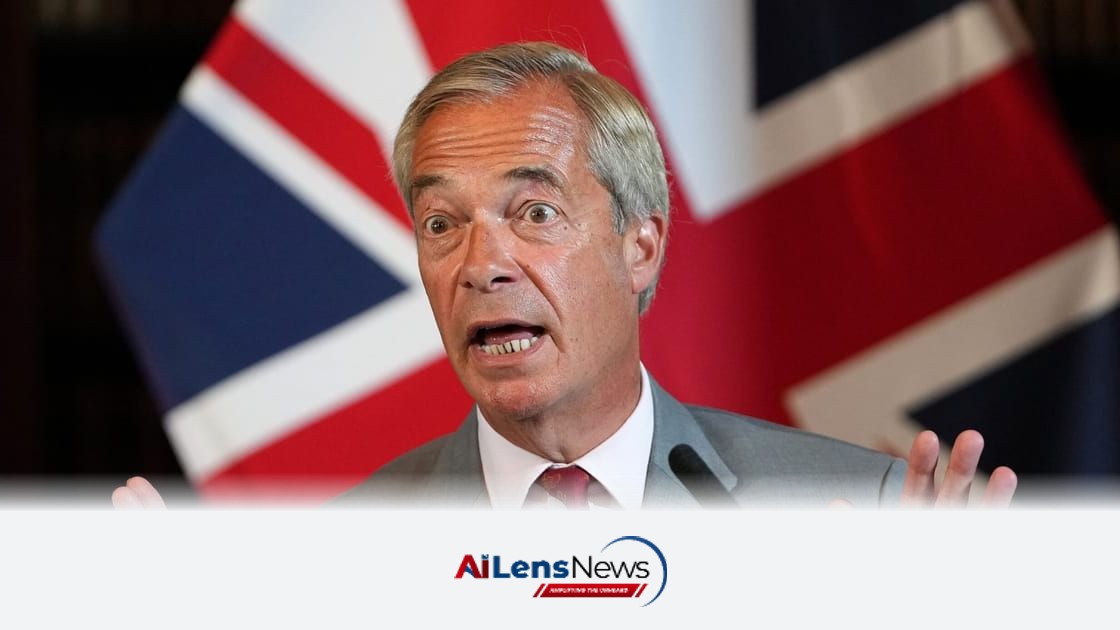



Reform UK, led by Nigel Farage, aims to replace GDPR with a lighter privacy law to alleviate burdens on small businesses and tech firms.
London, United Kingdom Aug 26, 2026 ALN: Reform UK on Tuesday night outlined plans to scrap the U.K.’s data protection regime as part of a broader package of measures designed to help small businesses. This proposal is part of a larger political and economic discourse surrounding the impact of regulatory frameworks on the operational capabilities of small enterprises within the U.K., particularly in the post-Brexit landscape.
In the wake of the United Kingdom's exit from the European Union, the country decided to incorporate an amended version of the EU's General Data Protection Regulation (GDPR) privacy laws into British law. This decision was made to ensure that the U.K. maintained a robust data protection framework while also aligning with European standards. However, Reform UK argues that this framework has become a burden for small businesses, which they claim are struggling under the weight of what they describe as “suffocating EU red tape.”
Reform UK proposes to replace the U.K. version of GDPR with a “light-touch” privacy law modeled on New Zealand’s approach to data protection. New Zealand's Privacy Act is often lauded for its simplicity and flexibility, which proponents argue allows businesses to operate more freely while still protecting individual privacy rights. This proposed shift underscores a significant ideological divide regarding the balance between protecting personal data and fostering an environment conducive to economic growth, particularly for small businesses.
Reform UK leader Nigel Farage has been vocal about the need for regulatory reform, stating that the current data protection laws hinder the potential for small businesses to thrive. He characterizes the proposal to abolish GDPR as a “bold, common-sense rescue plan” aimed at revitalizing the U.K. economy. This sentiment is echoed by other party members, including Reform UK MP Robert Jenrick, who has remarked that the GDPR has “strangled small businesses and tech firms alike in a web of unnecessary regulation.” Such statements reflect a growing concern among certain political factions that the existing regulatory environment may be disproportionately affecting smaller enterprises compared to larger corporations that have more resources to comply with complex regulations.
Critics of the GDPR, including members of Reform UK, argue that the regulation's stringent requirements can stifle innovation and deter investment in the U.K. tech sector. They contend that the regulatory burden associated with GDPR compliance can be particularly challenging for startups and small businesses that may lack the resources to navigate complex legal frameworks. In this context, the proposed shift towards a more lenient data protection regime is seen as a means to encourage entrepreneurship and stimulate economic activity.
However, the implications of moving away from GDPR are complex and multifaceted. The EU GDPR provides for a wider set of individual rights around personal data, including provisions such as the “right to be forgotten,” which allows individuals to request the deletion of their personal data under certain circumstances. This contrasts with New Zealand's Privacy Act, which, while still protecting personal data, does not encompass the same breadth of rights. Reform UK stresses that adopting the New Zealand model would still preserve the U.K.'s EU data adequacy status, which is crucial for maintaining the flow of personal data between the U.K. and the EU.
The European Commission only grants adequacy to countries that provide an essentially equivalent level of data protection to that of the EU. The U.K.'s ability to maintain this status is vital for many businesses that rely on cross-border data transfers, particularly in sectors such as technology, finance, and e-commerce. A loss of adequacy could result in significant disruptions for businesses that operate across European borders, as they would face additional regulatory hurdles in handling personal data.
Furthermore, the U.K. has already taken steps to diverge from EU privacy laws with the passage of the Data (Use and Access) Act last year. This legislation relaxed certain aspects of the U.K. GDPR in a bid to boost economic growth, indicating a trend towards more flexible data regulations. The act was seen as a response to the challenges posed by the stringent GDPR framework and aimed at providing businesses with greater freedom to use data while still ensuring a level of protection for individuals.
The ongoing debate surrounding the proposed abolition of GDPR reflects broader tensions within the U.K. regarding the direction of post-Brexit policy. Proponents of the reform argue that a more business-friendly approach to data protection is essential for fostering innovation and competitiveness in the global marketplace. In contrast, opponents warn that undermining established data protection rights could erode public trust in how personal data is handled, potentially leading to negative consequences for consumers and businesses alike.
As the discussion continues, it remains to be seen how these proposals will be received by the public and other political parties. The implications of such a significant shift in data protection policy could have lasting effects on the U.K.'s economic landscape, the rights of individuals, and the relationship between the U.K. and the EU in terms of data governance. As small businesses and tech firms await clarity on these proposals, the future of data protection in the U.K. hangs in a delicate balance, with stakeholders on all sides keenly observing the unfolding developments.
To learn more about the latest developments in Political Controversies, stay updated with our exclusive reports and analyses on AILensNews.