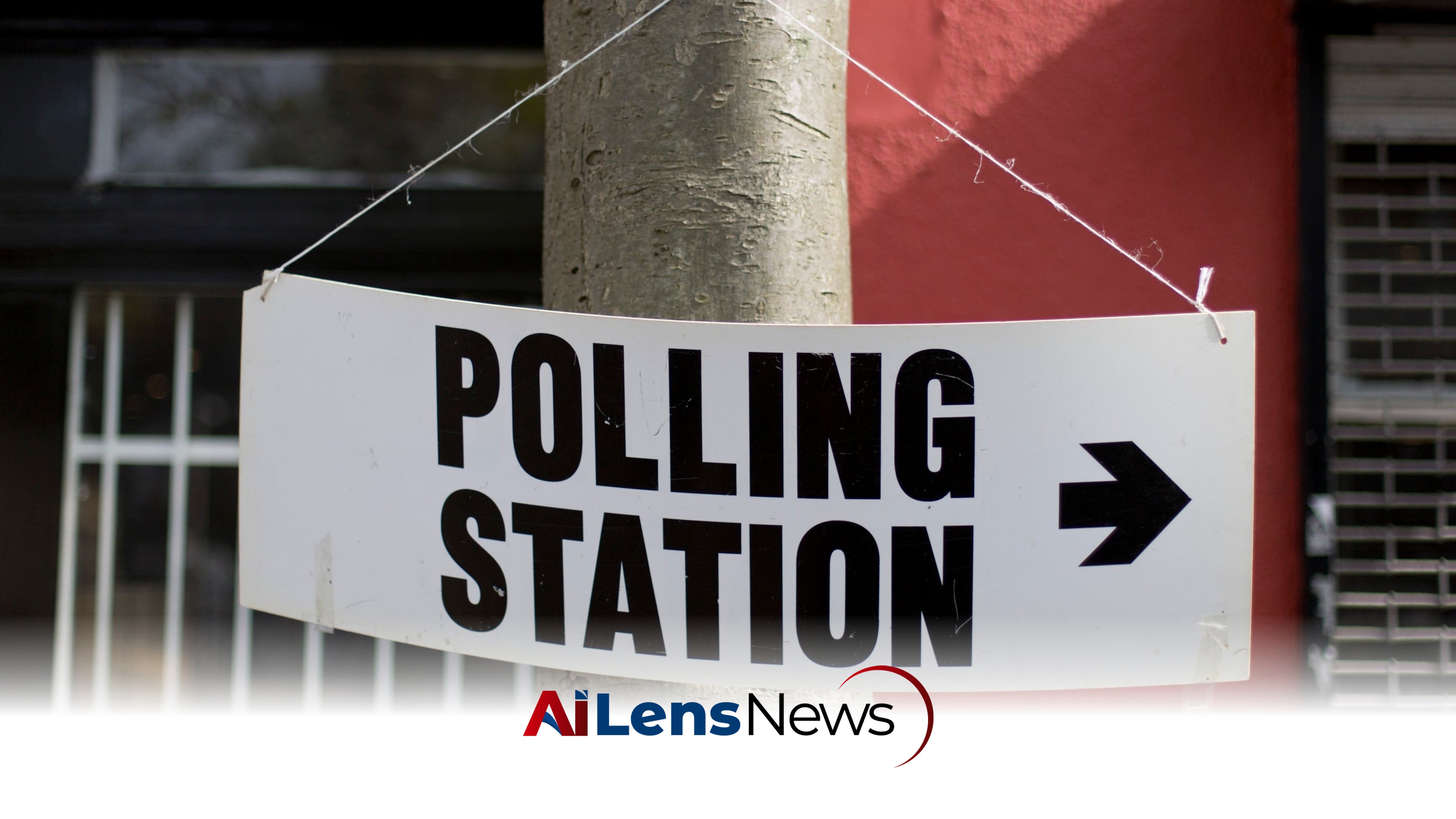


Voters in Greater Manchester head to the polls today to select a new mayor, marking a significant political transition following Andy Burnham's tenure.
London, United Kingdom Jul 30, 2026 ALN: Polling stations across Greater Manchester opened today as voters prepare to elect a new mayor to succeed Andy Burnham, who has announced his departure from the role. This election is pivotal for the region, as it seeks to establish new leadership and direction in local governance. The significance of this election cannot be overstated, as it will set the tone for how Greater Manchester addresses its pressing challenges and opportunities in the coming years.
Andy Burnham, who has served as mayor since 2017, has been a prominent figure in regional politics, advocating for various issues including public health, transport, and housing. His tenure has been marked by a commitment to social justice and a focus on improving the quality of life for residents. Burnham's decision to step down has prompted a competitive race among candidates from different political parties, each presenting their vision for the future of Greater Manchester. His departure has left a significant void in local leadership, which candidates are eager to fill as they outline their plans and priorities.
The election comes at a time when Greater Manchester faces numerous challenges, including economic recovery post-pandemic, housing shortages, and public transport improvements. The COVID-19 pandemic has had a profound impact on the region, exacerbating existing inequalities and highlighting the need for robust public health systems. Candidates have been vocal about their plans to address these issues, with many emphasizing the need for sustainable development and community engagement. The economic landscape is shifting, and the new mayor will need to navigate these complexities to ensure a resilient future for the city.
Housing remains a critical issue, as Greater Manchester grapples with a shortage of affordable homes. The rising cost of living and the demand for housing have created a pressing need for innovative solutions that can provide safe and adequate housing for all residents. Candidates are expected to propose various strategies, ranging from increasing the availability of affordable housing to implementing policies that support first-time buyers and renters. The housing crisis has been a longstanding issue in the region, and the new mayor will be tasked with addressing these challenges head-on.
Additionally, public transport improvements are at the forefront of many candidates' agendas. Greater Manchester's transport infrastructure has been under scrutiny for its efficiency and accessibility. Proposals may include expanding existing services, investing in greener transport options, and ensuring that all areas of the region are well-connected. The emphasis on sustainable transport solutions reflects a broader commitment to combating climate change and promoting environmentally friendly practices. The region's transport network is crucial not only for daily commuters but also for the overall economic vitality of Greater Manchester.
As the polls open, voter turnout is expected to be high, reflecting the community's eagerness to influence the future direction of their city. Local leaders are urging residents to make their voices heard and participate in this crucial democratic process. The enthusiasm surrounding this election is palpable, with many community organizations mobilizing efforts to ensure that all eligible voters are informed and ready to cast their ballots. This mobilization effort is particularly important in a region where voter engagement has fluctuated in past elections.
Results are anticipated to be announced later this week, with the new mayor expected to take office shortly thereafter. The outcome of this election could significantly shape policies in Greater Manchester for years to come, making it a critical moment in the region's political landscape. The newly elected mayor will face immediate challenges, including addressing the ongoing impact of the pandemic and implementing strategies to foster economic growth and recovery. The mayor's ability to effectively address these challenges will play a key role in determining their success and the public's perception of their leadership.
Moreover, the new leadership will likely influence the broader political dynamics within Greater Manchester and potentially impact future elections at both local and national levels. The mayor's stance on key issues such as climate change, housing, and public health will resonate beyond the region, as Greater Manchester is often viewed as a bellwether for urban policy in the UK. As a significant urban area, the decisions made by the new mayor could serve as a model for other cities grappling with similar challenges.
As voters head to the polls, the atmosphere is charged with anticipation and hope for a new chapter in Greater Manchester's governance. The election represents not only a change in leadership but also an opportunity for residents to voice their aspirations and concerns. The community's engagement in this process will be vital in shaping a future that reflects the needs and desires of all its citizens. The outcome of this election will be closely watched, not just in Greater Manchester, but across the UK as a reflection of the changing political landscape and the evolving priorities of urban voters.
To learn more about the latest developments in Elections, stay updated with our exclusive reports and analyses on AiLensNews.

