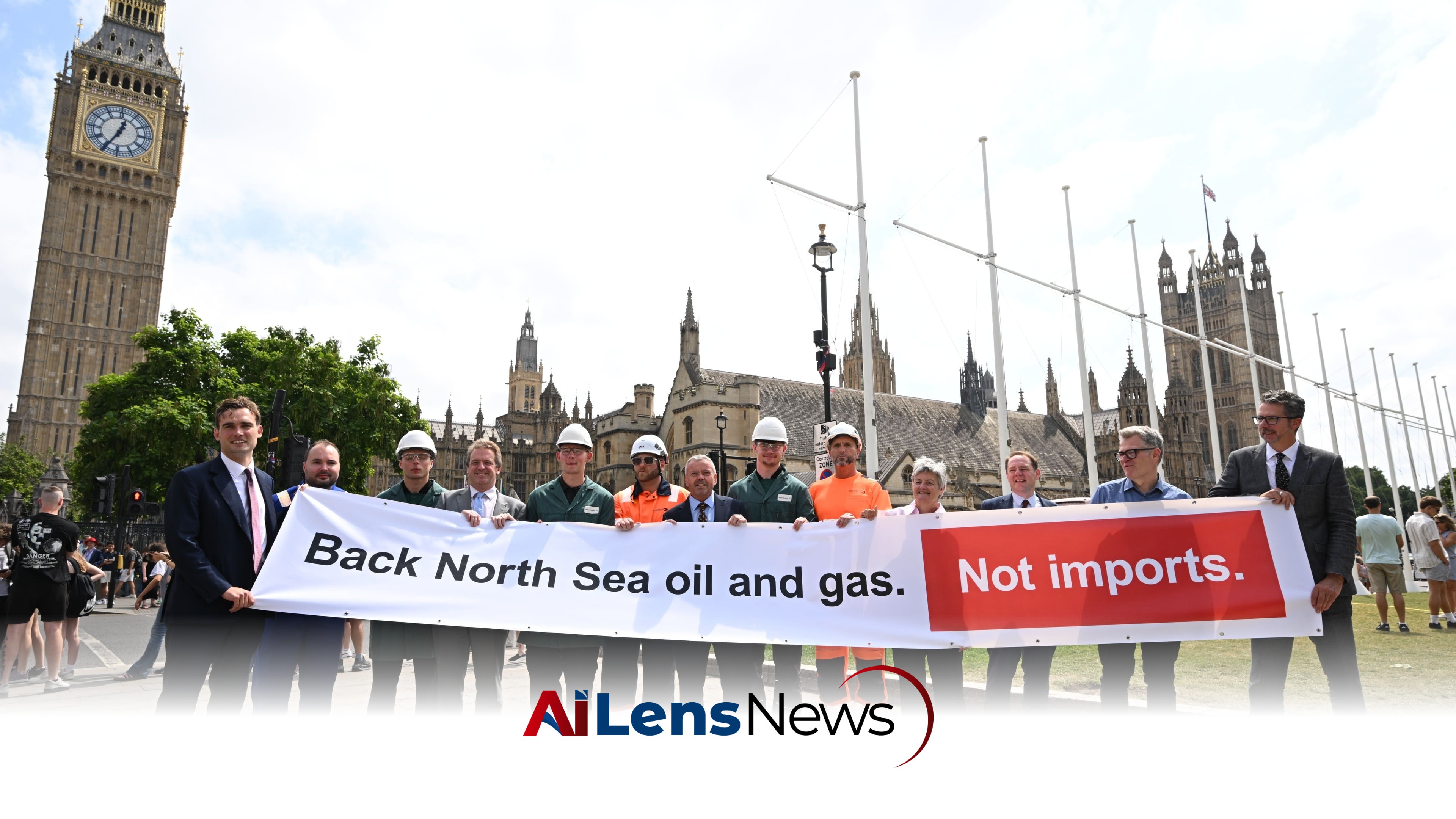


Recent polling reveals that voters are calling for significant changes in energy policy from Prime Minister Burnham, emphasizing a shift towards domestic energy production.
London, United Kingdom Jul 16, 2026 ALN: Recent polling data has revealed a significant shift in public sentiment regarding energy policy in the UK, with many voters expressing a desire for substantial changes under the leadership of Prime Minister Andy Burnham. The findings suggest that the electorate is increasingly concerned about the reliance on imported energy sources and is advocating for a stronger focus on domestic production.
The survey indicates that a majority of respondents believe that the government should prioritize the development of local energy resources, particularly in light of rising energy prices and concerns about energy security. This sentiment has been echoed by various advocacy groups who argue that investing in domestic energy production could not only stabilize prices but also create jobs and reduce carbon emissions.
Many voters are worried about the UK's dependency on imported oil and gas, particularly from regions that may not align with the country's environmental goals. The polling results show that a significant portion of the population feels that the government should focus on harnessing the potential of North Sea oil and gas reserves instead of relying on imports. This concern is not unfounded, as the UK has historically been a significant producer of oil and gas, and many believe that tapping into these resources could alleviate some of the current energy challenges.
Moreover, the geopolitical landscape has made energy imports a contentious issue. With global tensions affecting energy supply chains, voters are increasingly wary of the risks associated with being reliant on foreign energy sources. Issues such as political instability in oil-rich regions and fluctuating international markets have heightened public anxiety over energy security. As a result, the desire for a more self-sufficient energy policy has gained traction among the electorate.
Protests have emerged, with groups advocating for the expansion of North Sea energy production. Demonstrators have gathered outside the Houses of Parliament, holding banners that read, "Back North Sea oil and gas. Not imports." This grassroots movement reflects a growing frustration with the current energy policy and a call for action from the government. The protesters argue that the North Sea holds untapped potential that could be harnessed to meet the UK's energy needs while simultaneously reducing reliance on imports.
The North Sea has been a crucial source of energy for the UK since the 1970s, and while production has declined in recent years, many industry experts believe that there are still significant reserves that could be extracted with the right investment and technology. Advocates of North Sea energy production argue that this not only makes economic sense but also aligns with national interests in terms of energy independence and security.
In addition to economic arguments, there are environmental considerations at play. Proponents of expanding North Sea production assert that it can be done in a manner that minimizes ecological impact, particularly with advancements in technology that allow for cleaner extraction processes. They argue that a balanced approach to energy production—one that includes both fossil fuels and renewables—could support a transition to a more sustainable energy future while still addressing immediate energy needs.
As Prime Minister, Burnham faces the challenge of addressing these public concerns while balancing environmental commitments. The pressure to pivot towards a more sustainable energy policy is mounting, and how he responds could significantly impact his political future. Burnham has previously positioned himself as a leader committed to tackling climate change, but the polling data suggests that voters are looking for more immediate actions to address energy prices and security.
Burnham's administration may need to navigate the complex landscape of energy policy, which involves not only public sentiment but also economic realities and environmental obligations. The challenge lies in finding a path that satisfies the electorate's desire for energy independence while also adhering to commitments to reduce carbon emissions and combat climate change.
Furthermore, the political implications of energy policy are profound. If Burnham can successfully advocate for a balanced approach that includes both domestic production and renewable energy investments, he may solidify his position as a forward-thinking leader. Conversely, failure to adequately address these concerns could lead to disillusionment among voters and impact his party's standing in future elections.
The polling data underscores a clear message from voters: they are seeking a dramatic shift in energy policy. With the electorate increasingly vocal about their preferences, Burnham's administration may need to reconsider its approach to energy production and imports to align with public sentiment. The urgency of the situation is compounded by rising energy prices and the ongoing global energy crisis, which has prompted many to call for immediate action.
As the UK navigates its energy future, the balance between domestic production and environmental sustainability will be critical. The outcome of this discourse will not only define the future of the UK's energy policy but could also shape the political landscape in the years to come. The electorate's strong desire for change suggests that the government must listen and respond to these calls for action, potentially leading to a transformative period in the UK's energy strategy.
The implications of this polling data extend beyond immediate policy changes. It reflects a broader societal shift toward prioritizing energy independence and sustainability, which could influence various sectors, including manufacturing, transportation, and technology. As the UK moves toward a greener future, the integration of domestic energy resources with renewable initiatives could become a model for other nations grappling with similar energy challenges.
Moreover, the call for a reevaluation of energy policy may signal a growing awareness among the electorate regarding the interconnectedness of energy, economy, and environment. This awareness could lead to increased civic engagement and activism, as citizens become more proactive in advocating for policies that align with their values and priorities.
In summary, the strong desire for an overhaul of energy policy under Burnham's leadership is a reflection of the electorate's concerns about energy security, economic stability, and environmental sustainability. As the government contemplates its next steps, it must consider the long-term implications of its energy strategy, not only for the current generation but also for future generations who will inherit the consequences of today's decisions.
To learn more about the latest developments in Political Controversies, stay updated with our exclusive reports and analyses on AiLensNews.

