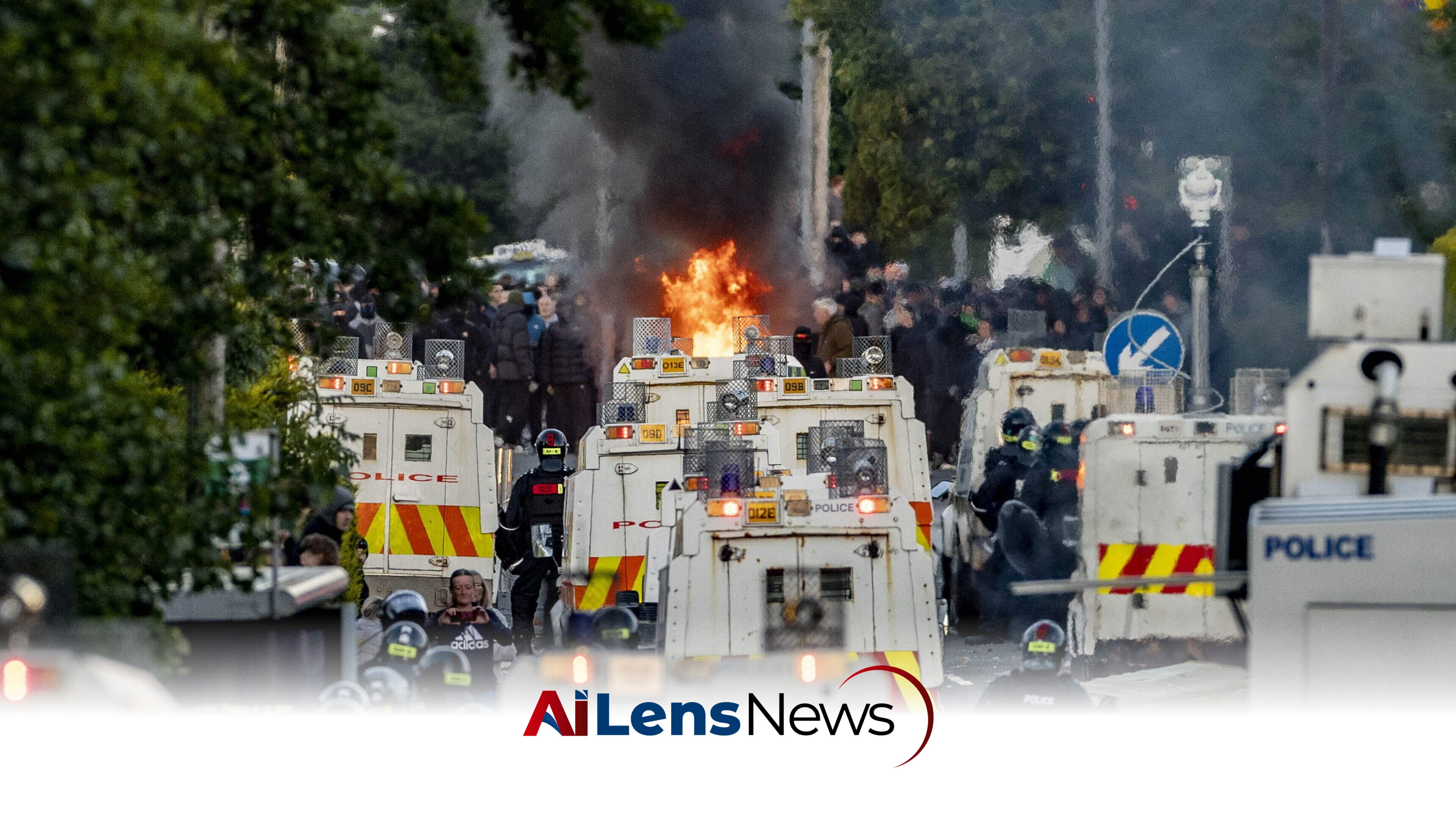


A recent poll reveals a stark division among Northern Ireland voters regarding the implementation of stricter immigration checks at the Irish border, highlighting the ongoing tensions between unionist and nationalist communities.
London, United Kingdom Jul 26, 2026 ALN: A recent poll conducted in Northern Ireland has unveiled a significant divide among voters concerning the proposed implementation of stricter immigration checks at the Irish border. The findings reflect the deep-rooted tensions between unionist and nationalist communities, with opinions sharply contrasting along these lines. This issue is particularly pertinent in the context of the ongoing discussions about the implications of Brexit, which has reignited debates over the border between Northern Ireland and the Republic of Ireland.
The survey results indicate that a majority of unionist voters support the introduction of tougher immigration measures, viewing them as essential for maintaining security and sovereignty. In contrast, nationalist voters largely oppose these measures, perceiving them as a threat to the open border established under the Good Friday Agreement. This agreement, signed in 1998, was a pivotal moment in Northern Ireland's history, aimed at ending decades of conflict known as The Troubles. The open border has allowed for free movement between the two regions, fostering economic ties and social interactions.
Unionist leaders argue that stricter immigration checks are necessary to combat illegal immigration and enhance security. They believe that a more controlled border will help protect the interests of Northern Ireland and its union with Great Britain. This perspective is rooted in a broader narrative of national security that has gained traction in various parts of the UK, particularly in light of global migration trends and concerns over terrorism. Conversely, nationalist representatives express concerns that such measures could exacerbate tensions and undermine the progress made in peacebuilding efforts. The fear is that reintroducing a hard border could lead to a resurgence of sectarian violence, as the border has historically been a flashpoint for conflict.
The division over immigration checks is not just a matter of public opinion; it has significant political implications as well. Political parties are grappling with how to address their constituents' concerns while navigating the complexities of the post-Brexit landscape. The Democratic Unionist Party (DUP), which has a strong unionist base, is likely to push for stricter border controls, while Sinn Féin, representing nationalist interests, may campaign against such measures. The issue is likely to influence upcoming elections and party strategies as they seek to balance the interests of their respective bases. Given the shifting political landscape, with the potential for new alliances and coalitions, how parties respond to this issue could shape the future of Northern Ireland's governance.
Community leaders from both sides have called for dialogue and understanding, emphasizing the need for a collaborative approach to address immigration and border issues. They argue that fostering communication between unionist and nationalist communities is crucial for maintaining peace and stability in the region. This call for dialogue is essential, as it reflects a broader understanding that the challenges facing Northern Ireland cannot be resolved through unilateral actions or policies that alienate one side or the other. Initiatives aimed at community engagement, such as town hall meetings and cross-community projects, could play a vital role in bridging divides and fostering a more inclusive approach to governance.
The historical context of the Irish border is significant in understanding the current debate. The border was established in 1921 when Ireland was partitioned into two entities: Northern Ireland, which remained part of the United Kingdom, and the Republic of Ireland, which became an independent state. For decades, the border was a source of contention, contributing to the violence and division of The Troubles, a conflict that claimed thousands of lives. The Good Friday Agreement was instrumental in creating a framework for peace, emphasizing cooperation and shared governance between communities. The implications of Brexit have reignited discussions about the border's status, as the UK’s exit from the EU has raised questions about customs and immigration controls.
Looking ahead, the debate over immigration checks at the Irish border will likely continue to evolve. The UK government's approach to immigration policy post-Brexit will play a critical role in shaping public opinion and political discourse in Northern Ireland. Additionally, the role of the European Union in facilitating discussions about the border cannot be overlooked, as both sides seek to ensure that any measures taken do not jeopardize the peace process. The potential for economic repercussions, particularly in border communities that rely on cross-border trade, adds another layer of complexity to the situation.
The stark division among Northern Ireland voters regarding tougher immigration checks at the Irish border underscores the ongoing challenges faced in bridging the gap between unionist and nationalist perspectives. As political leaders navigate this contentious issue, the importance of dialogue and compromise remains paramount in the pursuit of a united and peaceful Northern Ireland. The future of the region may depend on the ability of its leaders and communities to find common ground and work collaboratively towards solutions that respect the diverse views of its citizens while safeguarding the hard-won peace that has characterized the last two decades.
The implications of Brexit extend beyond immigration checks, affecting various aspects of life in Northern Ireland. The removal of the free movement of people and goods has significant consequences for businesses that operate on both sides of the border. Many enterprises in Northern Ireland rely heavily on the Republic of Ireland for trade, and any additional barriers could disrupt established supply chains. The economic stability of border communities is thus at risk, which could further exacerbate tensions between unionist and nationalist populations.
The media plays a crucial role in shaping public sentiment around sensitive issues like immigration and border controls. Coverage of this topic can influence perceptions and potentially deepen divides if not handled responsibly. Balanced reporting that highlights both unionist and nationalist perspectives is essential to foster an informed public discourse. Furthermore, media outlets have the responsibility to avoid sensationalism that could incite fear or misunderstanding among the communities.
International observers are also closely monitoring the situation in Northern Ireland, particularly as it relates to the peace process and the implications of Brexit. The United States, for instance, has historically been a supporter of the Good Friday Agreement and has expressed concerns over any developments that may threaten the stability of Northern Ireland. The involvement of international bodies may provide additional pressure on local political leaders to seek collaborative solutions that prioritize peace and stability.
As the debate continues, there is potential for new policies that could address the concerns of both unionist and nationalist communities. Creative solutions, such as technology-driven border controls or special economic zones, may emerge as alternatives to traditional immigration checks. These approaches could help maintain the integrity of the border while respecting the spirit of the Good Friday Agreement and the need for cooperation between the two jurisdictions.
Engaging younger generations in the conversation about immigration and border policies is also crucial. Many young people in Northern Ireland have grown up in a post-conflict era and may have different perspectives on identity and belonging. Their involvement in discussions and decision-making processes can lead to innovative ideas and solutions that reflect the changing dynamics of society. Educational initiatives that promote cross-community understanding can also play a significant role in shaping future attitudes toward these contentious issues.
The ongoing debate surrounding immigration checks at the Irish border is emblematic of the broader challenges facing Northern Ireland in the wake of Brexit. As communities grapple with their identities and the implications of political decisions, the importance of fostering dialogue, understanding, and collaboration cannot be overstated. The path forward will require a concerted effort from political leaders, community members, and international partners to ensure that the hard-won peace and stability of Northern Ireland are preserved for future generations.
To learn more about the latest developments in Political Controversies, stay updated with our exclusive reports and analyses on AiLensNews.

