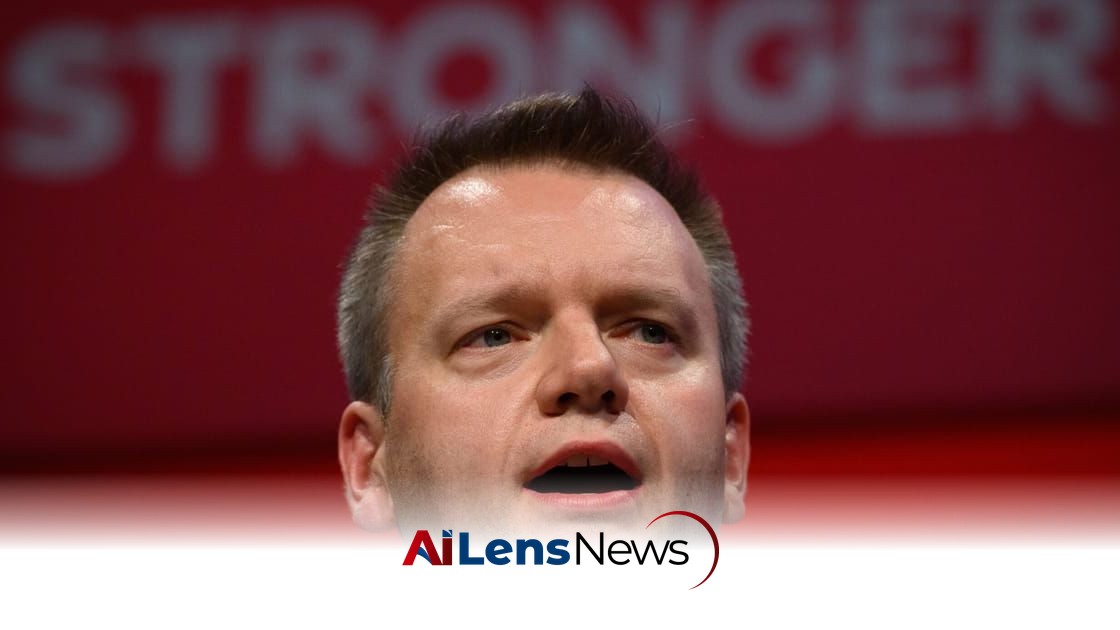


Nick Thomas-Symonds steps down from his role as EU Relations Minister following a cabinet reshuffle by Prime Minister Andy Burnham, impacting key negotiations with the EU.
London, United Kingdom Jul 20, 2026 ALN: Britain’s EU Relations Minister Nick Thomas-Symonds is to leave government following Andy Burnham’s reshuffle. This decision marks a significant change in the British government’s approach to its relationship with the European Union, particularly at a time when negotiations and discussions regarding various agreements are underway. The reshuffle comes amid a backdrop of shifting political dynamics within the U.K. and ongoing adjustments in the relationship between the U.K. and the EU following the Brexit referendum in 2016.
The departure of Thomas-Symonds is particularly noteworthy given his role in shaping the U.K.'s post-Brexit strategy towards the EU. As a close ally of Labour leader Keir Starmer, Thomas-Symonds had been instrumental in delivering the prime minister’s EU reset strategy, which aimed to foster a more collaborative atmosphere in negotiations with the EU. His resignation, communicated through a letter to the new prime minister, indicates a strategic shift within the cabinet, suggesting that alignment and coherence in government policy are being prioritized.
Thomas-Symonds’ role extended beyond EU relations; he also oversaw other critical policy areas, including public inquiries and civil service reform. This multifaceted portfolio highlighted the interconnectedness of various governmental functions and the necessity for cohesive leadership in navigating complex political landscapes. His departure raises questions about how these interconnected areas will be managed moving forward, especially in light of ongoing challenges faced by the U.K. government.
The timing of Thomas-Symonds' exit is particularly significant as it coincides with a period of heightened activity in negotiations between Britain and the EU. The political climate has been characterized by uncertainty and the need for clarity in post-Brexit relations. A U.K.-EU summit had been scheduled for Wednesday, July 22, before Starmer’s resignation, aimed at concluding discussions on several pressing issues, including an agri-food agreement, a youth mobility scheme, and a deal on emissions trading. These topics are essential for fostering economic ties and ensuring mutual benefits between the U.K. and EU member states.
Starmer had envisioned using this summit as a platform to enhance the U.K.'s relationship with the EU, signaling a more collaborative approach following years of division. However, with Starmer's resignation, the summit was postponed, and its rescheduling is now anticipated later this year. The new minister, who will succeed Thomas-Symonds, will play a crucial role in determining the direction of these negotiations and the overall tone of U.K.-EU relations moving forward. The new minister's ability to navigate these discussions will be pivotal in addressing the various complexities that have arisen since Brexit.
In his resignation letter, Thomas-Symonds expressed hope that his successor would continue the negotiations he had initiated concerning U.K. participation in the EU's internal electricity market. This participation is vital for energy security and economic stability, especially as both the U.K. and EU navigate the transition toward sustainable energy sources. The internal electricity market is a key component of energy cooperation, and the U.K.'s involvement could facilitate more efficient energy trading and bolster energy security for both parties.
Furthermore, Thomas-Symonds emphasized the importance of implementing key pillars of the Common Understanding, which includes the food and drink agreement, linking the U.K. and EU Emissions Trading Systems, and the Youth Experience Scheme. This scheme aims to provide opportunities for young people to travel, work, and study across Europe, fostering cultural exchange and mutual understanding. The Youth Experience Scheme, in particular, has been a focal point for promoting engagement between U.K. and EU youth, which is vital for building long-term relationships and understanding between the two regions.
Shortly after Burnham’s appointment as prime minister on Monday, European Commission President Ursula von der Leyen remarked on her positive initial conversation with him. This dialogue indicates a willingness on both sides to engage constructively and collaboratively. Von der Leyen's comments reflect a commitment to strengthening ties between the EU and the U.K., which could be seen as a response to the ongoing challenges posed by Brexit and the need for cooperative solutions to shared issues. The importance of maintaining open lines of communication cannot be overstated, especially in a post-Brexit context where both parties are seeking to establish a new framework for their relationship.
Von der Leyen stated, "Together, we will work towards a successful Summit that delivers for our businesses, our young people, and our shared security." This statement underscores the mutual benefits that can arise from a strengthened partnership between the U.K. and the EU, particularly in areas such as trade, youth engagement, and security cooperation. Furthermore, her mention of continued cooperation in support of Ukraine highlights the geopolitical dimensions of U.K.-EU relations and the necessity of a united front in addressing global challenges. The ongoing conflict in Ukraine has emphasized the need for solidarity among European nations, and the U.K. and EU's collaborative efforts in this regard will be critical in shaping their future relationship.
The implications of Thomas-Symonds’ departure and the subsequent reshuffle extend beyond immediate policy changes. They signal a broader shift in the U.K.'s approach to its relationship with the EU, one that may prioritize collaboration and dialogue over confrontation. This could pave the way for a more stable and predictable relationship, which is crucial for both parties as they navigate the complexities of post-Brexit realities. The potential for renewed dialogue could help to address some of the lingering tensions that have characterized U.K.-EU relations since the Brexit vote.
As the political landscape evolves, the new minister's stance on these issues will be closely scrutinized by both domestic and international observers. The ability to maintain continuity in negotiations while also introducing new perspectives will be vital for achieving successful outcomes in future discussions. The new minister will need to balance the demands of various stakeholders, including businesses, local communities, and the broader public, while also ensuring that the U.K.'s interests are effectively represented in negotiations with the EU.
In conclusion, Nick Thomas-Symonds' exit as Britain's EU Relations Minister during a cabinet reshuffle marks a significant moment in the ongoing evolution of the U.K.-EU relationship. With critical negotiations on the horizon and a new minister poised to take charge, the future of U.K.-EU relations remains uncertain yet full of potential for renewed collaboration and engagement. The next steps taken by the new minister will be crucial in determining how the U.K. positions itself in relation to the EU and how both parties navigate the complexities of their future interactions.
To learn more about the latest developments in Elections, stay updated with our exclusive reports and analyses on AiLensNews.

