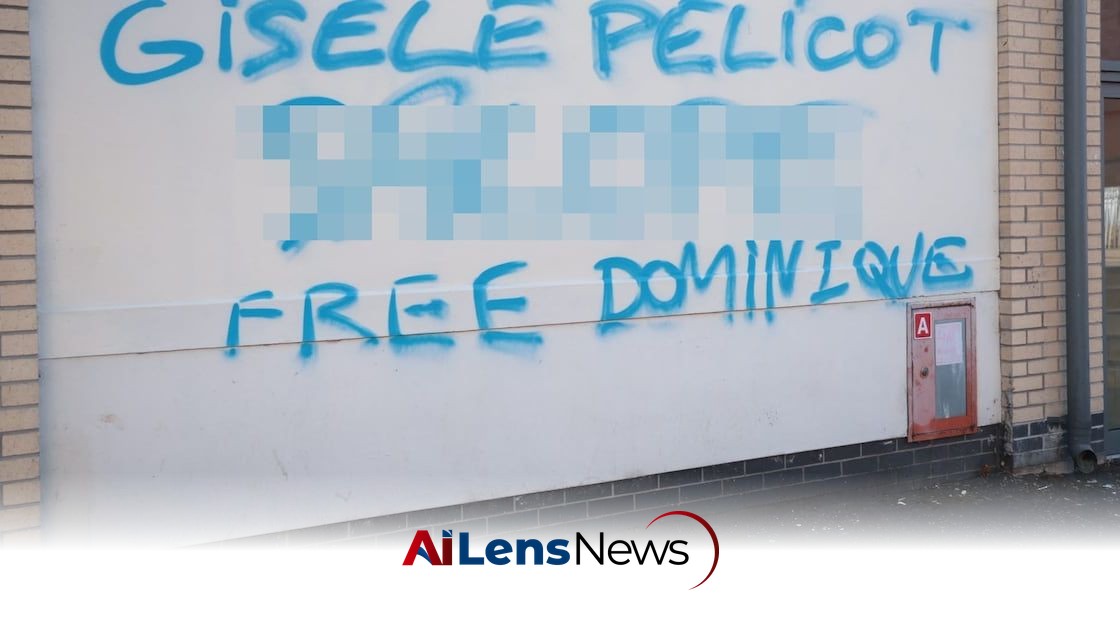


French far-right activists were seen at a Belfast bonfire before misogynistic graffiti targeting Gisèle Pelicot appeared, prompting widespread condemnation.
London, United Kingdom Jul 15, 2026 ALN: The recent events surrounding the Twelfth celebrations in Belfast have sparked significant controversy, particularly due to the presence of far-right activists from France and the emergence of misogynistic graffiti targeting Gisèle Pelicot, a well-known rape survivor. The Twelfth of July, which marks the Battle of the Boyne in 1690, is a significant date in the Protestant calendar, celebrated with parades, bonfires, and various festivities, particularly in loyalist communities in Northern Ireland. This year, however, the celebrations were marred by incidents that have raised serious concerns about the normalization of hate speech and far-right ideologies in the region.
The French far-right group, reportedly hailing from Normandy, was invited to Belfast by loyalists in the Shankill Road area to partake in the Twelfth festivities. This invitation reflects a growing trend of international far-right collaboration, where groups from different countries align themselves with local loyalist factions. The presence of these activists was highlighted by their participation at the Sandy Row bonfire, where they were filmed chanting slogans associated with fascist ideologies. Videos of this gathering circulated on social media, raising alarm and drawing condemnation from various community leaders and activists.
Shortly after their appearance, graffiti containing derogatory references to Gisèle Pelicot appeared on a shop front in Sandy Row. The graffiti not only included her name but also a misogynistic slur, combined with the phrase “free Dominique,” which refers to her ex-husband, Dominique Pelicot. The latter was convicted in December 2024 for drugging and raping Gisèle over a prolonged period, alongside recruiting others to abuse her while she was incapacitated. His conviction, which included a sentence of 20 years in prison, has made headlines internationally, particularly due to Gisèle’s decision to waive her anonymity during the trial. She aimed to shed light on her experience and advocate for other survivors of sexual violence, making her an emblematic figure in the fight against such abuses.
This graffiti incident has not only targeted Gisèle Pelicot personally but has broader implications for societal attitudes towards women and marginalized communities. Claire Hanna, the leader of the Social Democratic and Labour Party (SDLP) and a Member of Parliament for Belfast South and Mid Down, condemned the graffiti as deeply disturbing. She emphasized that such expressions of misogyny should not be dismissed as mere vandalism, but rather recognized as reflections of pervasive societal attitudes that contribute to a culture of intimidation and fear. Hanna's statement underscores the importance of addressing these issues head-on, particularly in public spaces where such messages can influence perceptions and behaviors within the community.
In addition to the misogynistic graffiti, the incident also included racist slurs targeting Black and South Asian individuals, further highlighting the toxic intersection of misogyny and racism within the far-right rhetoric. The presence of such hateful expressions in a community celebration raises critical questions about the societal acceptance of these ideologies and the responsibility of local leaders to combat them. Green Party councillor Brian Smyth pointedly criticized the situation, suggesting that the invitation extended to the French far-right group was indicative of a broader trend of racism masquerading as concern for women’s safety. This critique reflects a growing sentiment among activists and community leaders who argue that the far-right is exploiting social issues to further their own agendas.
The End Deportations Belfast group has voiced concerns regarding the increasing infiltration of international far-right actors into Northern Ireland, particularly in light of recent violent incidents that have gone unaddressed by the government. A spokesperson for the group highlighted the lack of governmental action following these events, suggesting that the absence of a COBRA meeting—a high-level government meeting to address crises—has allowed these groups to operate with relative impunity. This situation raises alarms about the potential for far-right ideologies to gain a foothold in Northern Ireland, especially given the historical context of sectarian violence and the ongoing challenges related to community cohesion.
The Police Service of Northern Ireland (PSNI) has confirmed that they are investigating the graffiti incident and have urged anyone with information to come forward. The removal of the graffiti was a necessary step, but the underlying issues it represents require a more comprehensive response from law enforcement and community leaders. The PSNI’s involvement is crucial in addressing not only this specific incident but also in tackling the broader rise of hate speech and extremist ideologies in the region.
The implications of these events extend beyond Belfast and speak to wider societal issues regarding the normalization of hate speech and the rise of far-right movements across Europe and beyond. As communities grapple with the legacies of historical conflicts and ongoing social challenges, the presence of far-right activists and the emergence of hate-driven graffiti serve as stark reminders of the work that remains to be done in promoting inclusivity and respect for all individuals, regardless of gender, race, or background.
In conclusion, the events surrounding the Twelfth celebrations in Belfast have highlighted the urgent need for communities to confront and challenge the rise of far-right ideologies and the associated culture of hate. The graffiti targeting Gisèle Pelicot is not merely an isolated incident; it is indicative of broader societal issues that require collective action and a commitment to fostering a more inclusive and respectful society. As discussions continue around these themes, it is imperative for community leaders, activists, and the public to work together to combat hate in all its forms and to support survivors of violence and discrimination.
To learn more about the latest developments in Political Controversies, stay updated with our exclusive reports and analyses on AiLensNews.

