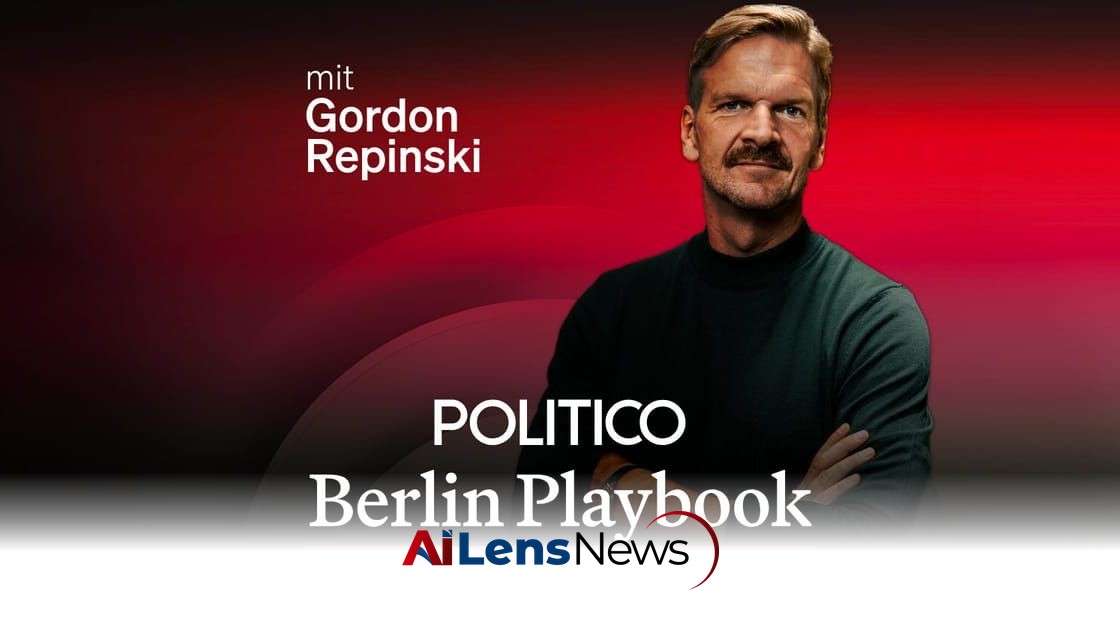


Delve into the political landscape shaped by Donald Trump in the latest episode of the Berlin Playbook podcast, hosted by Gordon Repinski.
London, United Kingdom Jul 27, 2026 ALN: As the world continues to grapple with the complexities of global politics, the influence of dominant leaders like Donald Trump cannot be overstated. His tenure as the 45th President of the United States was marked by a series of significant and often controversial decisions that reverberated across the globe. Understanding the motivations and decision-making processes of such influential figures is crucial to deciphering contemporary political landscapes. This understanding is not only vital for political analysts and historians but also for citizens who wish to engage meaningfully in the democratic process.
The Berlin Playbook, a podcast dedicated to exploring the intricacies of political power, provides an insightful platform for analyzing the strategies and ideologies of prominent leaders. In its regular power player special, the podcast delves into the minds of politicians, offering listeners a unique glimpse behind the scenes of political power. This approach not only informs listeners about the actions of these leaders but also contextualizes their decisions within the broader framework of international relations. By engaging with experts and political insiders, the podcast brings to light the often opaque world of political maneuvering, making it accessible to a wider audience.
Donald Trump's rise to political prominence was unprecedented. Emerging from a background in real estate and entertainment, his journey to the presidency was characterized by an unconventional approach to politics. His campaign capitalized on a populist message, appealing to a segment of the American electorate that felt disenfranchised by traditional political elites. This strategy resonated deeply, leading to a victory that shocked many political analysts and experts. Trump's ability to connect with voters on issues such as immigration, trade, and national security played a critical role in his ascent, reflecting a broader discontent with the status quo.
One of the key aspects of Trump's influence was his ability to communicate directly with the public, largely through social media platforms like Twitter. This direct line of communication allowed him to bypass traditional media channels, shaping narratives and rallying support in real time. His tweets often set the agenda for news cycles, highlighting his understanding of the evolving media landscape and its implications for political discourse. This shift in communication strategy has altered the way politicians engage with the public, creating a new paradigm where social media becomes a primary tool for political messaging.
Throughout his presidency, Trump made decisions that were often polarizing, such as withdrawing from the Paris Agreement, renegotiating trade deals, and implementing strict immigration policies. Each of these actions was not only a reflection of his administration's priorities but also indicative of a broader shift in American foreign policy. For instance, his decision to withdraw from the Paris Agreement signaled a departure from international consensus on climate change, raising concerns among global leaders about the United States' commitment to addressing environmental issues. This move was met with widespread criticism from environmentalists and many world leaders, who viewed it as a setback in global efforts to combat climate change.
Moreover, Trump's approach to foreign relations was characterized by a preference for bilateral agreements over multilateral cooperation. This shift was evident in his dealings with NATO allies, where he often questioned the financial contributions of member states, advocating for a more transactional approach to international alliances. Such a stance had significant implications for global security dynamics, as it challenged the longstanding framework of collective defense that has underpinned NATO since its inception. The questioning of NATO's relevance and the United States' commitment to its allies raised alarm bells in Europe, leading to discussions about the future of transatlantic relations.
The Berlin Playbook podcast, hosted by Gordon Repinski, provides a platform for dissecting these complex issues. By examining the thought processes behind Trump's decisions, the podcast sheds light on the broader implications for international relations and domestic politics. Each episode is designed to engage listeners, offering compact and insightful analyses that are particularly valuable for professionals navigating the intricacies of political landscapes in capital cities around the world. The discussions often feature expert commentary that helps to unpack the nuances of political decisions and their far-reaching consequences.
The podcast's commitment to delivering timely and relevant political content aligns with the needs of its audience, which includes diplomats, policymakers, and business leaders. The Berlin Playbook newsletter complements the podcast by providing daily updates on key political developments, ensuring that its readers are well-informed about the most pressing issues shaping global affairs. This dual approach—combining in-depth discussions with timely updates—allows the Berlin Playbook to serve as a comprehensive resource for understanding contemporary political dynamics.
As we analyze Trump's influence, it is essential to consider the long-term implications of his presidency on both domestic and international fronts. His populist approach has inspired similar movements in various countries, prompting a reevaluation of traditional political norms and practices. The rise of populism, characterized by a distrust of established institutions and a focus on national sovereignty, has led to significant shifts in the political landscape across Europe and beyond. Countries such as Brazil, Hungary, and Italy have seen the emergence of leaders who echo Trump's rhetoric, indicating a potential global trend towards populist governance.
Furthermore, Trump's presidency has ignited debates about the role of leadership in democracy. His confrontational style and willingness to challenge the status quo have prompted discussions about the nature of political authority and accountability. Supporters argue that he has revitalized political engagement among disenfranchised voters, while critics contend that his rhetoric has undermined democratic norms and fostered division. This polarization has made it increasingly difficult to achieve bipartisan consensus on critical issues, further complicating the governance process in the United States.
In examining the influence of Donald Trump, it is crucial to recognize the interconnectedness of political decisions and their broader societal implications. The Berlin Playbook serves as a valuable resource in this regard, providing insights that help listeners navigate the complexities of modern governance. By understanding the motivations behind political actions, we can better comprehend the evolving dynamics of power and its impact on global affairs. This understanding is essential not only for political professionals but also for citizens who seek to engage with the political process in informed ways.
In conclusion, the exploration of influential political figures like Donald Trump through platforms like the Berlin Playbook is essential for fostering informed discussions about contemporary governance. As we continue to witness the unfolding effects of his presidency, the importance of critically analyzing political power and its implications remains paramount. The insights gained from such analyses not only enhance our understanding of current events but also equip us to engage more meaningfully with the political challenges of the future. As the global political landscape continues to evolve, the lessons learned from Trump's presidency will likely inform the strategies of future leaders and the responses of the electorate.
To learn more about the latest developments in Elections, stay updated with our exclusive reports and analyses on AiLensNews.

