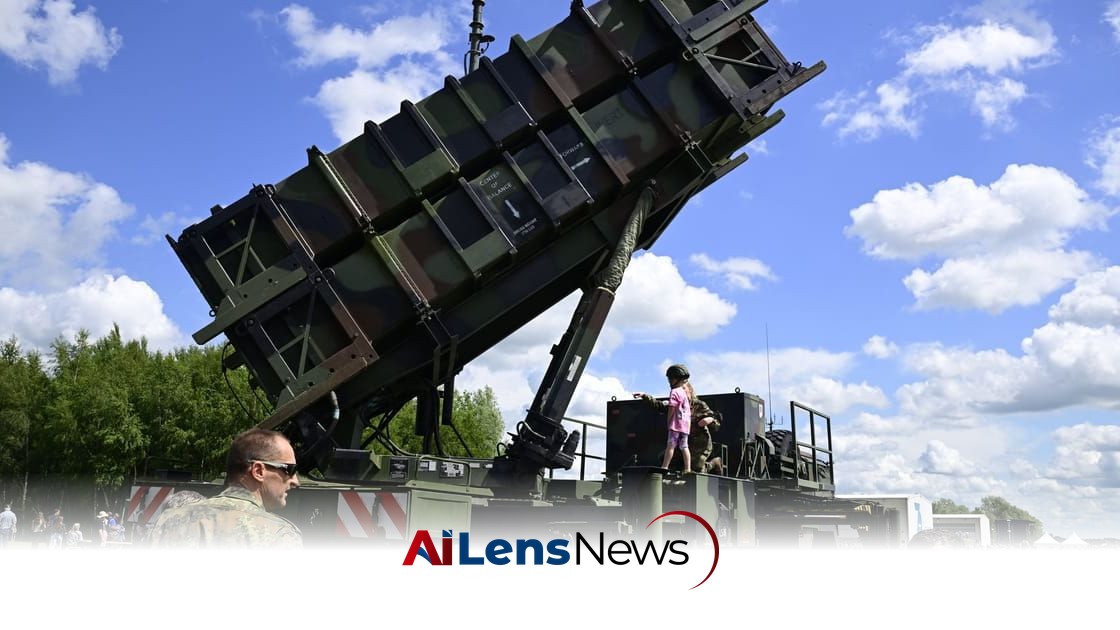


Nine European countries have pledged support for Ukraine's initiative to create a domestic missile defense system, aiming to reduce reliance on U.S. technology.
London, United Kingdom Jul 14, 2026 ALN: PARIS — Nine European countries on Monday agreed to back an ambitious Ukrainian effort to develop a domestic missile defense system that, if successful, would reduce reliance on U.S. technology. This initiative comes at a critical time as Ukraine continues to face significant threats from Russian missile attacks, which have escalated since the onset of the conflict in 2022. The agreement reflects a growing consensus among European nations regarding the necessity of enhancing Ukraine's defense capabilities while simultaneously fostering greater European autonomy in defense matters.
Ukraine has been heavily reliant on the United States for advanced missile defense systems, specifically the PAC-2 and PAC-3 Patriot interceptors, which are designed to intercept and destroy inbound missiles. However, the ongoing conflict has strained these resources, as the U.S. and its allies utilized hundreds of these interceptors in the early phases of the war, particularly against threats from Iran. This depletion of supplies has left Ukraine vulnerable, especially during recent waves of Russian missile attacks, where the country has reported dangerously low stocks of interceptors, hampering its ability to effectively counter ballistic missile threats.
The situation has intensified calls within Ukraine for the development of homegrown defense capabilities, which would not only provide immediate relief but also enhance long-term security and resilience against future threats. The formation of the Anti-Ballistic Missile Coalition marks a significant step in this direction, as it brings together a coalition of European nations committed to supporting Ukraine in building its own missile defense system.
As part of a new “purely defensive Anti-Ballistic Missile Coalition,” Denmark, France, Germany, Italy, the Netherlands, Norway, Spain, Sweden, and the United Kingdom have pledged to support the Ukraine-led Project Freyja missile defense system. This project is being developed in collaboration with Fire Point, a missile manufacturer that aims to create a system capable of integrating with existing NATO-standard radars, command posts, and data links from the participating countries. The design philosophy behind Freyja emphasizes interoperability, ensuring that it does not function as a standalone national system but rather as a cohesive component of a broader European defense architecture.
The overarching goal of the Freyja project is to deliver a more cost-effective, mass-produced alternative to the Patriot PAC-3 interceptors. French President Emmanuel Macron highlighted the significance of this initiative, stating, "What we are building here is not only for Ukraine. It is a demonstration that Europe can provide for its own security, defend its interests and act with force." This sentiment underscores a growing recognition among European leaders that reliance on U.S. military technology may not be sustainable in the long run, particularly as geopolitical tensions continue to evolve.
Despite the ambitious goals of the Freyja project, there are substantial risks and challenges that lie ahead. The recent collapse of the Future Combat Air System, a Franco-German-Spanish initiative aimed at developing a next-generation fighter jet, serves as a cautionary tale regarding the complexities of multinational defense collaborations. Such failures highlight the difficulties in aligning the interests, capabilities, and industrial bases of multiple countries in defense projects.
Moreover, while Ukraine has made significant strides in its defense sector during the ongoing war—particularly in the realm of drone technology—the development and deployment of the Freyja missile defense system will require overcoming significant technical and industrial hurdles. Ukrainian President Volodymyr Zelenskyy has expressed optimism, stating he hopes the system will be operational within a year. However, the timeline for development and integration into Ukraine's defense architecture remains uncertain.
In a related development, U.S. President Donald Trump recently agreed in principle to allow Ukraine to manufacture its own Patriot interceptors, a significant step that could enhance Ukraine's self-sufficiency in missile defense. However, the complexities surrounding the negotiation and approval processes, coupled with the need to establish intricate production facilities within Ukraine, mean that this initiative will not provide immediate relief against the ongoing Russian missile threats.
President Zelenskyy has been vocal about the urgency of addressing Ukraine's immediate defense needs, particularly as winter approaches. He has emphasized that Ukraine requires at least 300 Patriot interceptors to bolster its defenses during this critical period. "[Patriot interceptors] are high-quality, but there are not enough of them," Zelenskyy stated during a meeting in Paris with Macron and other European leaders. He pointed out that the United States is also facing its own challenges in maintaining sufficient arsenals to defend its allies and its bases against potential threats from Iran.
In response to these pressing needs, President Macron announced that France would take further steps to enhance Ukraine's missile defense capabilities. This includes granting Kyiv a license to manufacture Aster interceptors, SCALP cruise missiles, and A2SM bombs. Additionally, Macron indicated that France would provide Ukraine with 16 Rafale fighter jets by 2028-2029 and supply an unspecified number of SAMP/T air defense system batteries in the near future. These commitments reflect France's determination to support Ukraine's defense efforts and contribute to the broader European security framework.
Furthermore, Macron mentioned that joint military exercises would be conducted in countries neighboring Ukraine, aimed at enhancing interoperability and readiness among European forces. This initiative is part of a broader strategy to strengthen defense cooperation within Europe and ensure that member states are prepared to respond to emerging threats in a coordinated manner.
British Prime Minister Keir Starmer, who was present at the Paris meeting as one of his final acts in office, confirmed that the United Kingdom would participate in the European Union's €90 billion loan package for Ukraine, with two-thirds of the funds allocated for defense purposes. This commitment means that British defense companies will be eligible for contracts under the scheme, further integrating the UK's defense industry into the European security landscape.
In conclusion, the establishment of the Anti-Ballistic Missile Coalition and the support for Project Freyja represent a significant development in European defense cooperation and Ukraine's efforts to enhance its missile defense capabilities. However, the path ahead is fraught with challenges, and the urgency of addressing Ukraine's immediate defense needs remains paramount. As the geopolitical landscape continues to evolve, the success of this initiative could have far-reaching implications for European security and the future of defense collaboration on the continent.
To learn more about the latest developments in Political Controversies, stay updated with our exclusive reports and analyses on AiLensNews.

