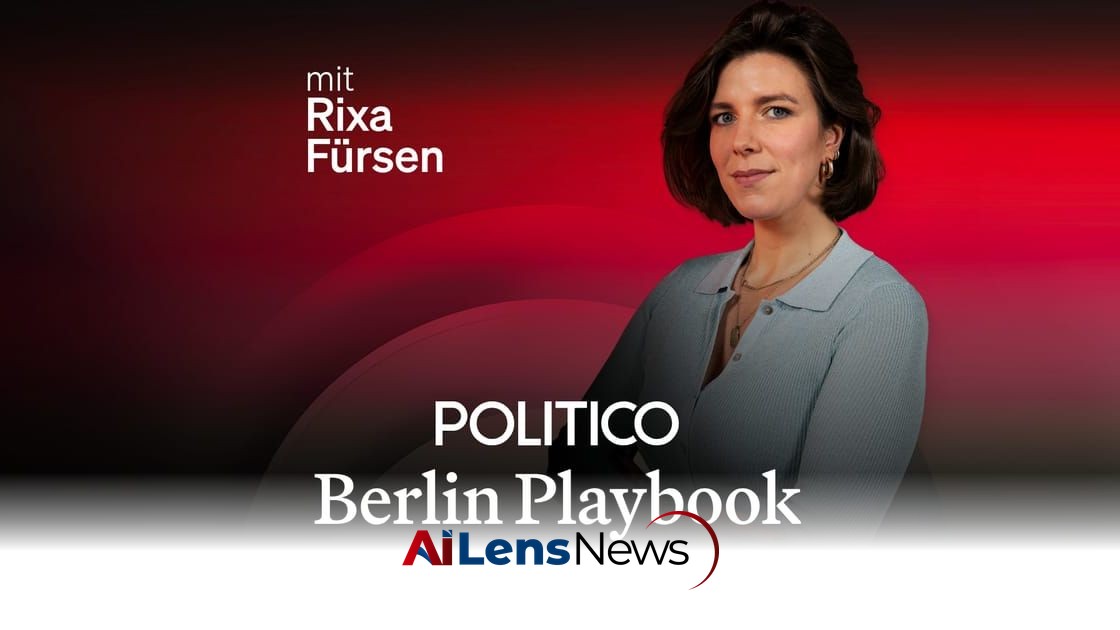


The unexpected resignation of Jens Spahn triggers a significant reshuffle within the CDU. Rixa Fürsen and Miriam Hollstein discuss the implications for the party's leadership.
London, United Kingdom Jul 24, 2026 ALN: The unexpected resignation of Jens Spahn, a prominent figure within the Christian Democratic Union (CDU), has sent shockwaves through German politics, prompting a significant personnel reshuffle within the party. Spahn, who has served in various capacities, including as Minister of Health during the COVID-19 pandemic, was seen as a key player in shaping the CDU’s strategies and policies. His departure raises questions about the future direction of the party and the implications for the broader political landscape in Germany.
Jens Spahn's political career has been marked by both controversy and significant achievements. As Minister of Health, he was at the forefront of Germany's response to the COVID-19 pandemic, overseeing the implementation of health policies that were critical in managing the crisis. His role involved navigating complex challenges, from vaccine procurement to public health messaging, which were scrutinized by both supporters and critics. Spahn's resignation, therefore, comes at a time when the CDU is already grappling with the aftereffects of the pandemic and its impact on public trust in political leadership.
Rixa Fürsen, a political analyst, has taken a closer look at the restructuring of the power center within the CDU, particularly in the wake of Spahn's resignation. Alongside Miriam Hollstein, deputy head of the political department at BILD, they discuss the potential reshuffling of key positions that could redefine the party's trajectory. Figures such as Nina Warken, who holds a position in the Chancellery, and Carsten Linnemann, who is currently serving as the Minister of Health, are among those who may play crucial roles in the forthcoming changes. This potential shift in leadership could signal a new strategic direction for the CDU, particularly as it seeks to address internal divisions and the need for a cohesive front heading into future elections.
Spahn's resignation was not the only surprising event that night. The late-night cancellation by Fritz Güntzler regarding the Transport Ministry, communicated via SMS, has raised eyebrows and sparked discussions about the internal dynamics within the CDU. Such abrupt communications can indicate a lack of cohesion or strategic alignment within the party, which could be detrimental as they prepare for upcoming electoral challenges. The manner in which these changes are communicated and executed reflects on the party's organizational health and ability to maintain unity among its ranks.
In addition to the Transport Ministry, the future of Economic Minister Katherina Reiche remains uncertain. Her position is critical given the ongoing economic challenges Germany faces, including inflation and energy transitions. The CDU's approach to economic policy will be under scrutiny, particularly as Chancellor Merz has already indicated that further personnel changes are on the horizon. This suggests a potential shift in the party's economic strategy and priorities, which could have significant implications for the German economy and its recovery post-pandemic. The CDU's ability to articulate a clear economic vision will be essential in regaining the confidence of voters who are concerned about rising costs and economic stability.
The political landscape is further complicated by the implications of these changes for the Social Democratic Party (SPD), the CDU's main rival. As the SPD prepares for upcoming state elections, the power upheaval within the CDU could provide both opportunities and challenges. The SPD's leadership, particularly Vice Chancellor and Co-Leader Lars Klingbeil, appears to be in a reactive position, informed rather than actively involved in the unfolding events. This could signal a lack of proactive strategy within the SPD as they navigate their own political challenges. The SPD must carefully assess how to leverage the CDU's internal turmoil to bolster its own position and appeal to voters.
Moreover, there are discussions surrounding a potential leadership change within the SPD. With the CDU's internal turmoil, the SPD may need to reassess its leadership and strategy to capitalize on any perceived weaknesses in the opposition. Identifying a strong candidate to lead the SPD could be crucial in maintaining their political standing and countering the CDU's attempts to regain power. The SPD's ability to present a viable alternative to the CDU will be tested in the coming months, particularly as they seek to address pressing issues such as social equity, economic recovery, and climate policy.
The implications of Spahn's resignation and the subsequent personnel changes within the CDU extend beyond party politics. They reflect broader trends in German society, including public sentiment towards leadership and governance. The handling of issues such as the COVID-19 pandemic, economic recovery, and social policies will be under intense scrutiny as voters assess the capabilities of their political leaders. The CDU's response to these challenges will be critical in shaping public perception and electoral outcomes.
Furthermore, the upcoming state elections will serve as a litmus test for both the CDU and SPD. These elections will not only determine local governance but also set the stage for the national political landscape leading up to future federal elections. The ability of the CDU to present a united front and a clear vision for the future will be critical in regaining public trust and support. Conversely, the SPD must demonstrate its capacity to govern effectively and respond to the needs of its constituents amidst the shifting political dynamics.
As the political environment continues to evolve, the Berlin Playbook remains a vital resource for understanding these developments. Available as a podcast every morning at 5 AM, Gordon Repinski and the team provide compact, international, and in-depth political insights that help listeners navigate the complexities of German politics. This resource is particularly valuable for those seeking to stay informed about the intricate interplay of political forces and the implications of leadership changes.
For professionals engaged in capital city affairs, the Berlin Playbook newsletter offers a comprehensive overview of the most important topics and analyses every morning. Staying informed is essential in a rapidly changing political landscape, and the newsletter serves as an invaluable tool for those looking to keep abreast of developments. The insights provided can aid in understanding the motivations behind political maneuvers and the potential ramifications for both domestic and international policy.
In summary, Jens Spahn's resignation marks a pivotal moment for the CDU, triggering a series of changes that could reshape the party's future. As the CDU navigates this transition, the reactions from the SPD and the electorate will be critical in determining the political landscape in Germany moving forward. The interplay between these parties will be closely watched, as it may set the tone for governance and policy direction in the coming years. The ability of both parties to adapt to the changing political climate will ultimately influence their electoral fortunes and the overall stability of the German political system.
To learn more about the latest developments in Political Controversies, stay updated with our exclusive reports and analyses on AiLensNews.

