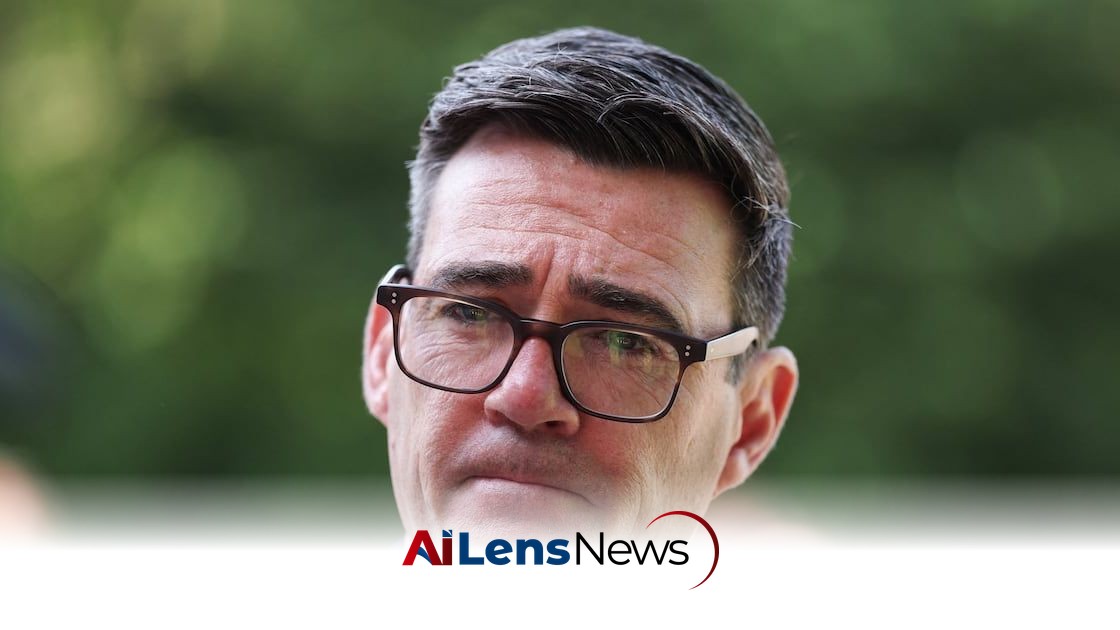


New Prime Minister Andy Burnham's flagship cost of living measures exclude Northern Ireland, facing criticism over post-Brexit trading arrangements and devolution issues.
London, United Kingdom Jul 24, 2026 ALN: Andy Burnham, the newly appointed Prime Minister of the United Kingdom, is facing significant scrutiny following the announcement that three of his flagship cost-of-living measures will not extend to Northern Ireland. This exclusion has sparked criticism from local political leaders and raised questions about the implications of post-Brexit arrangements and the devolution of powers in the region. The situation highlights the complexities of governance in Northern Ireland and the challenges that arise from the unique political landscape shaped by historical context, economic conditions, and the ongoing effects of Brexit.
In his first week in office, Mr. Burnham has prioritized creating a "breathing space" for households struggling with the rising cost of living. The cost-of-living crisis has been a pressing issue for many families across the UK, exacerbated by rising inflation, energy prices, and supply chain disruptions. To address these challenges, he has proposed several significant measures aimed at alleviating financial pressures, including the removal of VAT from domestic electricity bills, the restoration of a £2 cap on single bus fares, and a 20% cut in business rates for pubs, clubs, and live music venues. These initiatives are designed to provide immediate financial relief to residents and businesses across England, Scotland, and Wales, reflecting a broader commitment to supporting communities facing economic hardship.
However, Northern Ireland finds itself excluded from these measures. The VAT cut, which is expected to save the average household approximately £45 annually, cannot be implemented in Northern Ireland due to the ongoing application of EU VAT rules under the Windsor Framework. This framework, established as part of the post-Brexit arrangements, governs the relationship between Northern Ireland and the EU, particularly concerning trade and regulatory alignment. Under this agreement, any changes to VAT in Northern Ireland require agreement from Brussels, effectively blocking the implementation of this key policy. The implications of this arrangement are significant, as they underscore the complexities of Northern Ireland's position within the UK and the EU following Brexit.
With regard to the transport measure, the cap on single bus fares will revert from £3 back to £2 starting January 1, 2027, but this change applies only to participating operators in England outside of London. In Northern Ireland, public transport fares are managed by the local Executive and Translink, meaning that any potential changes will not be affected by the Prime Minister's announcement. This situation highlights how devolved powers can create disparities in policy implementation, leading to a sense of disconnect between the UK government's initiatives and the realities faced by Northern Irish residents.
The third measure, which aims to reduce business rates by 20% for approximately 32,000 pubs, social clubs, and live music venues in England starting next April, similarly does not extend to Northern Ireland. Business rates are fully devolved, and any relief would require the Northern Ireland Executive to choose to mirror the measures set by the UK government. This situation raises important questions about the effectiveness of the devolved government in addressing local economic challenges and highlights the ongoing debate about the balance of power between the UK government and the devolved administrations.
In response to the exclusion of Northern Ireland from these measures, Sinn Féin’s Economy Minister, Caoimhe Archibald, criticized the UK government for its perceived neglect of the region. She remarked that successive British governments have demonstrated a lack of interest in the needs of the people in Northern Ireland. Archibald emphasized that the interests of the people in both Northern Ireland and the Republic of Ireland are best served by political representatives who are accountable to them, suggesting a need for greater local governance and representation. This sentiment reflects a broader concern among Northern Irish politicians regarding the adequacy of support from Westminster, particularly in times of economic distress.
Claire Hanna, the leader of the Social Democratic and Labour Party (SDLP), acknowledged that while the new Prime Minister's focus appears to be on England, the responsibility for addressing local issues lies with the Northern Ireland Executive. She expressed hope that any Barnett consequentials arising from the UK government's measures would be utilized to benefit the people of Northern Ireland, particularly in improving public transport, supporting local businesses, and addressing the cost of living crisis. Hanna criticized the Stormont Executive for a perceived lack of action and accountability, stating that additional funding must lead to tangible improvements in the lives of residents rather than disappearing into a financial black hole. This criticism points to a broader frustration with the performance of the devolved government and its ability to respond effectively to the needs of its constituents.
The Barnett formula, which allocates funding to devolved administrations based on population size and new spending in England, could potentially provide some resources to Northern Ireland. However, any funding received is not earmarked for specific purposes, leaving it open to be used for various initiatives at the discretion of the local government. This lack of targeted funding has raised concerns about whether the financial support will effectively address the pressing needs of Northern Ireland's communities. Critics argue that without clear accountability and strategic planning, there is a risk that the funding may not reach those who need it most, exacerbating existing inequalities and challenges.
As Mr. Burnham prepares for a visit to Northern Ireland as part of a UK-wide tour, he is expected to meet with the First Minister and Deputy First Minister. This meeting could provide an opportunity for discussions about the unique challenges faced by Northern Ireland and the potential for collaboration between the devolved government and the UK government to address these issues. The outcome of these discussions may be pivotal in shaping future policies and responses to the cost-of-living crisis, as well as in fostering a more cooperative relationship between the two levels of government.
The exclusion of Northern Ireland from key cost-of-living measures raises broader questions about the effectiveness of the current governance structure and the impact of post-Brexit arrangements on the region. As the UK government continues to navigate the complexities of devolution and the implications of Brexit, the needs and voices of Northern Ireland's residents must remain a priority in policy discussions. The ongoing dialogue regarding the balance of power and the relationship between the UK and its devolved administrations will be crucial in determining how effectively the government can respond to regional challenges.
Furthermore, the situation highlights the importance of communication and cooperation between the UK government and the devolved administrations. As the cost of living crisis continues to affect households across the UK, it is essential for all levels of government to work together to ensure that support reaches those who need it most, regardless of geographic or political boundaries. The ability to address these issues effectively will depend on a willingness to engage in constructive dialogue and to prioritize the needs of citizens over political considerations.
In conclusion, while Mr. Burnham's proposed measures may provide relief to many across England, Scotland, and Wales, the exclusion of Northern Ireland underscores ongoing challenges related to governance, representation, and the effects of Brexit. The responses from local political leaders indicate a strong desire for greater recognition and support for the unique circumstances faced by Northern Ireland, as well as a call for accountability from both the UK government and the local Executive in addressing the pressing issues of the day. Moving forward, it will be essential for all stakeholders to work collaboratively to develop solutions that address the specific needs of Northern Ireland, ensuring that no community is left behind in the pursuit of economic stability and growth.
To learn more about the latest developments in Policies & Reforms, stay updated with our exclusive reports and analyses on AiLensNews.

