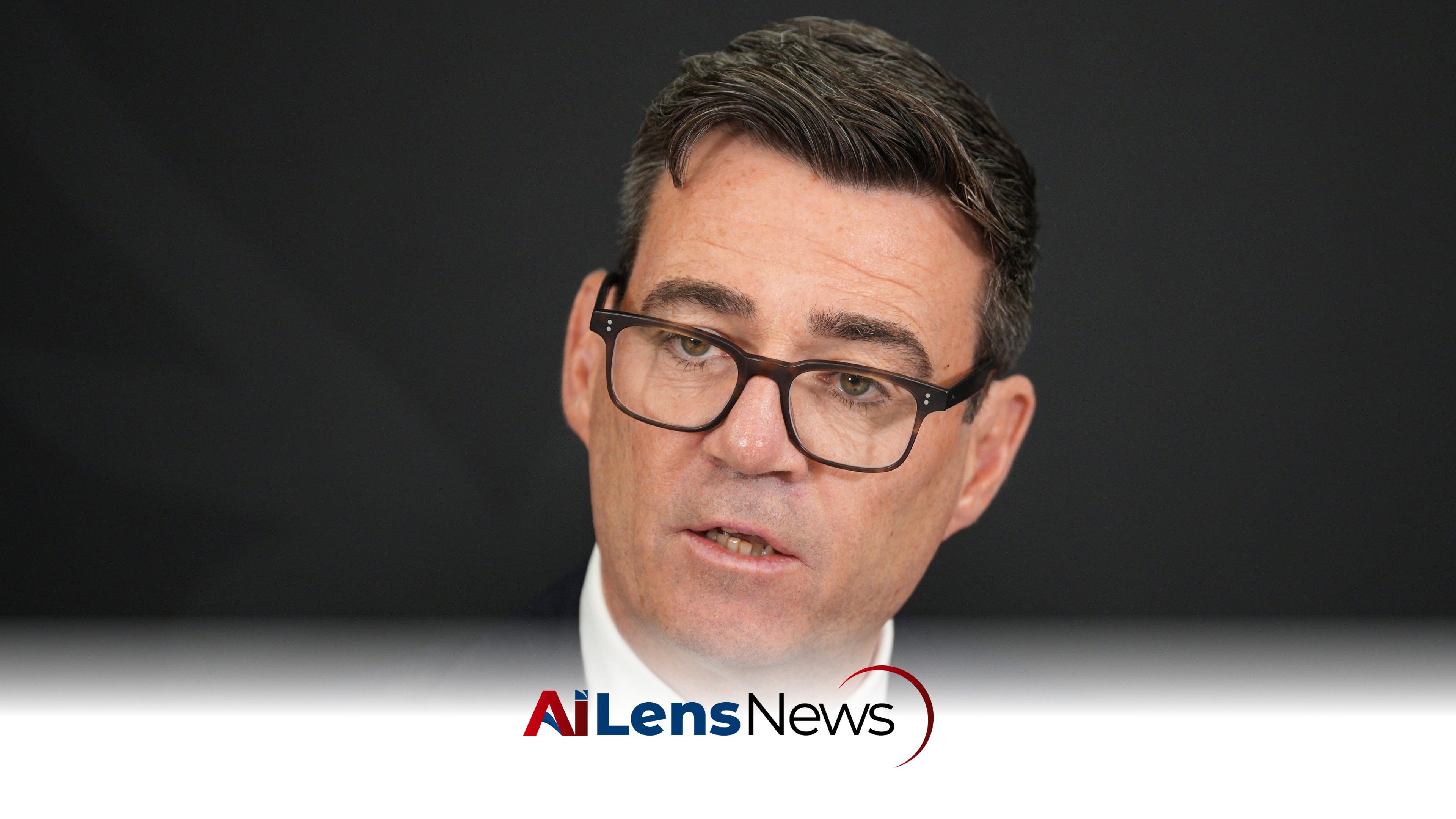


Andy Burnham is set to convene cross-party discussions aimed at resolving the ongoing crisis in adult social care, emphasizing the need for collaborative solutions.
London, United Kingdom Jul 29, 2026 ALN: Andy Burnham, the Mayor of Greater Manchester, has announced plans to hold cross-party talks to tackle the escalating crisis in adult social care. This initiative comes in response to mounting pressures on the system, which has been exacerbated by funding cuts and increasing demand for services. The adult social care sector has been a focal point of concern for many, as it directly impacts the lives of vulnerable populations, including the elderly and individuals with disabilities.
Burnham emphasized the importance of collaboration among various political parties to devise effective solutions that can alleviate the challenges faced by the adult social care sector. "We cannot afford to let politics get in the way of finding a resolution to this crisis," he stated during a recent press conference. His call for unity reflects a growing recognition that the issues plaguing adult social care transcend party lines and require a collective response from all stakeholders involved.
The adult social care system has been under significant strain, with many providers struggling to meet the needs of vulnerable populations. Reports indicate that staffing shortages and inadequate funding have led to a decline in service quality, leaving many individuals without the support they require. The Care Quality Commission (CQC) has highlighted that a significant number of care providers are facing operational challenges, which has raised alarms about the safety and well-being of those who depend on these services.
In addition to staffing issues, the adult social care sector is grappling with an aging population that is living longer, often with complex health needs. This demographic shift has resulted in an increased demand for care services, placing additional pressure on an already strained system. As the number of individuals requiring care continues to rise, the existing funding models have proven inadequate, leading to a crisis that many experts have described as unsustainable.
Burnham's call for cross-party discussions highlights the urgent need for action. He has urged all political leaders to set aside their differences and work together to secure the necessary funding and resources for adult social care. "This is not just a political issue; it is a humanitarian one that affects the lives of thousands of people across our communities," he added. This sentiment resonates with many advocates who argue that the well-being of vulnerable individuals should not be subjected to the whims of political rivalry.
The adult social care crisis has been a topic of discussion for several years, but the pandemic has intensified the urgency of the situation. The COVID-19 pandemic exposed significant vulnerabilities within the care system, leading to increased mortality rates among care home residents and highlighting the need for systemic reform. As a result, there is a growing consensus that immediate action is required to prevent further deterioration of services.
Among the solutions being considered are increased funding for care providers, improved training and support for staff, and a reevaluation of the current funding models that govern adult social care. Burnham believes that a comprehensive approach is essential to ensure the sustainability of the system. Increased funding could enable care providers to offer better wages and conditions for their staff, which in turn could help to alleviate staffing shortages and improve service quality.
Moreover, investing in training and professional development for care workers is crucial. A well-trained workforce is better equipped to meet the complex needs of individuals requiring care, ultimately leading to improved outcomes for service users. Additionally, a reevaluation of funding models may involve exploring new avenues for funding, such as implementing a social care tax or increasing government allocations specifically earmarked for adult social care.
The proposed talks are expected to take place in the coming weeks, with invitations extended to leaders from all major political parties. Burnham is hopeful that these discussions will pave the way for a united front in addressing the challenges facing adult social care. The involvement of various political parties is seen as a critical step toward fostering a collaborative environment where innovative solutions can be explored and implemented.
As the situation continues to evolve, Burnham remains committed to advocating for the rights and needs of those who rely on adult social care services. The outcome of these talks could have significant implications for the future of care in Greater Manchester and beyond, potentially influencing policy decisions at a national level. The importance of this issue has been underscored by numerous advocacy groups and stakeholders, who argue that the government has a moral obligation to ensure that vulnerable populations receive the care and support they need.
In conclusion, the adult social care crisis represents a multifaceted challenge that requires immediate and sustained attention. Burnham's initiative to hold cross-party talks marks a pivotal moment in the ongoing discourse surrounding social care. By fostering collaboration among political leaders, there is hope that meaningful solutions can be developed to address the pressing issues facing the sector. The implications of these discussions could extend far beyond Greater Manchester, potentially setting a precedent for how adult social care is approached across the United Kingdom.
The adult social care system in the UK is designed to provide support to individuals who require assistance with daily living activities due to age, illness, or disability. This support can take many forms, including personal care, nursing, and assistance with household tasks. The system is primarily funded through local authorities, which have faced significant budget cuts in recent years. These cuts have led to a reduction in available services and an increase in the number of individuals who go without necessary care.
Historically, adult social care has been underfunded, and the challenges facing the sector have been compounded by demographic changes. The population is aging, with an increasing number of individuals over the age of 65, many of whom have complex health needs that require ongoing support. This demographic shift has resulted in a greater demand for care services, which has not been matched by adequate funding or resources.
The COVID-19 pandemic has had a profound impact on the adult social care sector. The crisis exposed long-standing vulnerabilities, such as inadequate staffing levels and insufficient infection control measures. Many care homes experienced outbreaks of the virus, leading to tragic loss of life and highlighting the urgent need for reform. The pandemic also resulted in increased scrutiny of care providers, with calls for greater accountability and improved standards of care.
In response to these challenges, there have been discussions around the need for a comprehensive reform of the adult social care system. This includes calls for a national care service that would ensure equitable access to care for all individuals, regardless of their financial situation. Advocates argue that such a system would provide the necessary support to the growing number of individuals requiring care and help to alleviate the pressures currently faced by local authorities.
The outcome of Burnham's cross-party talks could have significant long-term implications for the adult social care sector. If successful, the discussions could lead to the development of a more sustainable funding model that ensures adequate resources are available to meet the needs of vulnerable populations. This could involve a combination of increased government funding, innovative funding mechanisms, and a focus on preventative care that reduces the need for more intensive support.
Moreover, a collaborative approach to addressing the challenges in adult social care could serve as a model for other regions in the UK. By demonstrating that political leaders can work together to find solutions to pressing social issues, Burnham's initiative could inspire similar efforts in other areas, ultimately leading to a more cohesive and effective approach to social care across the country.
As discussions progress, it will be essential for all stakeholders, including service users, care providers, and advocacy groups, to have their voices heard. Engaging with those who are directly impacted by the adult social care system will ensure that any proposed solutions are grounded in the realities of the challenges faced by individuals and families. This inclusive approach will be critical in building trust and fostering a sense of shared responsibility for the future of adult social care in the UK.
To learn more about the latest developments in Elections, stay updated with our exclusive reports and analyses on AiLensNews.

