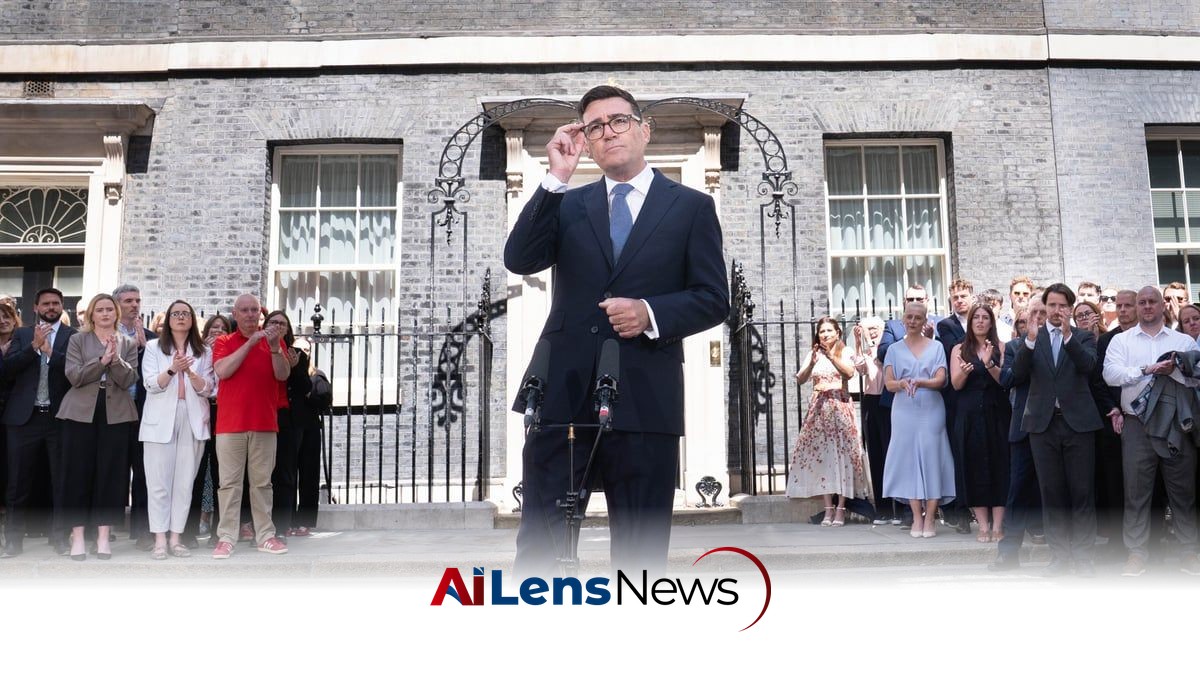


Andy Burnham should prioritize practical economic boosts over radical leftist reforms to ensure effective governance.
London, United Kingdom Jul 21, 2026 ALN: Andy Burnham, the Mayor of Greater Manchester, has emerged as a prominent figure in local politics, particularly regarding economic development and social welfare. His recent advocacy for a new economic model reflects the pressing challenges faced by the region, which has been significantly impacted by various economic and social factors over the past decades. As Burnham outlines his vision for the future, there is an increasing discourse surrounding the potential implications of adopting hard-left policies in his economic strategy.
Greater Manchester, once a powerhouse of industrial activity, has undergone substantial transformations since the decline of traditional manufacturing. The region has faced significant economic challenges, including high unemployment rates, social inequality, and a need for regeneration in many of its communities. The COVID-19 pandemic further exacerbated these issues, leading to increased demands for effective leadership and innovative economic solutions.
Burnham's role as Mayor places him at the forefront of these challenges, with the responsibility to stimulate the economy while addressing the needs of a diverse population. His vision encompasses a range of economic strategies aimed at revitalizing the region, focusing on sustainability, inclusivity, and growth. However, as he navigates this complex landscape, the balance between progressive ideals and pragmatic approaches becomes crucial.
Burnham's inclination towards a balanced economic strategy emphasizes the importance of pragmatic solutions over radical reforms. This approach is particularly relevant in a region that has historically relied on a mix of public and private sector initiatives to drive growth. By focusing on relatively small, practical measures, Burnham can implement policies that yield immediate benefits for the local economy. Such measures are not only more achievable but also resonate with the constituents, who often seek tangible results rather than theoretical ideals.
For instance, Burnham's administration could prioritize initiatives that directly impact job creation and economic stability. This may include fostering partnerships with local businesses, enhancing training programs for residents, and promoting sectors that show potential for growth, such as technology and green energy. By aligning his policies with the immediate needs of the community, Burnham can foster a sense of trust and cooperation between the government and its constituents.
One of the significant concerns surrounding Burnham's vision is the potential shift towards hard-left policies, which may alienate moderate voters crucial for sustaining political support. History provides numerous examples of political leaders whose extreme economic policies resulted in adverse outcomes, including diminished investor confidence, capital flight, and job losses. The lessons learned from these experiences highlight the importance of maintaining a balanced approach that considers both ideological aspirations and practical realities.
Moreover, the political landscape in the UK has become increasingly polarized, with voters becoming more discerning about the implications of radical policies. Burnham must navigate this environment carefully, ensuring that his proposals do not inadvertently push away those who hold more centrist views. The challenge lies in promoting progressive reforms that resonate with a broad audience without alienating key voter segments.
In the pursuit of economic revitalization, focusing on small but impactful changes can lead to significant improvements in the region's economic health. Here are some key areas where Burnham's administration could concentrate its efforts:
Another crucial aspect of Burnham's economic strategy should be the diversification of the region's economic base. Historically, Greater Manchester has relied heavily on a few key industries, which can pose risks during economic downturns. By promoting a diverse range of sectors, including technology, healthcare, and creative industries, Burnham can help insulate the local economy from fluctuations in any single market.
Moreover, a diversified economy can create a more resilient job market, providing opportunities for a wider range of skill sets and backgrounds. This approach aligns with the broader goals of promoting inclusivity and reducing inequality, as it allows for a more equitable distribution of economic benefits across the population.
In conclusion, while Andy Burnham's ambition for a new economic model is commendable and reflects the needs of a changing Greater Manchester, his administration must prioritize practical, incremental changes that can deliver real benefits to the people of the region. By focusing on pragmatic solutions, avoiding the pitfalls of hard-left policies, and fostering an inclusive and diverse economy, Burnham can ensure a more stable and prosperous future for Greater Manchester.
The stakes are high, and the path forward requires careful consideration of both the aspirations and the realities facing the region. By striking a balance between progressive ideals and practical implementation, Burnham can position Greater Manchester as a leader in innovative economic strategies while maintaining the support of its diverse electorate.
To learn more about the latest developments in Elections, stay updated with our exclusive reports and analyses on AiLensNews.

