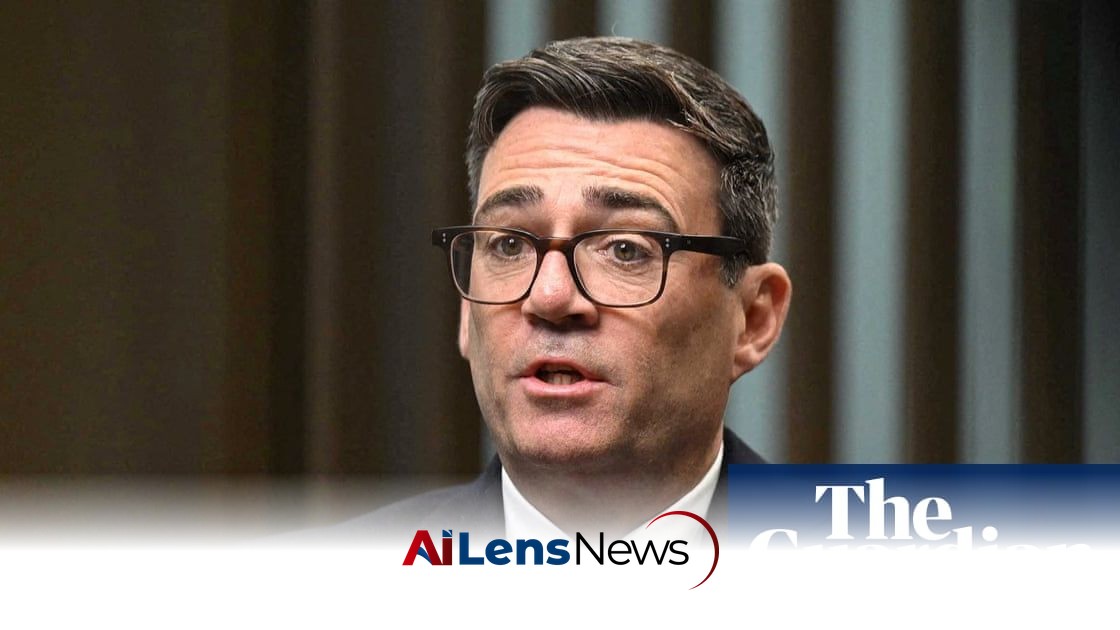


In his first interview as Prime Minister, Andy Burnham emphasizes the urgent need for social care reform to prevent NHS collapse.
London, United Kingdom Jul 27, 2026 ALN: Andy Burnham, who recently took office as Prime Minister, has made a bold commitment to reform England's social care system, which has long been criticized for its inadequacies and inefficiencies. In a landscape where social care is increasingly seen as a critical component of the National Health Service (NHS), Burnham's pledge comes at a time when the healthcare system is under immense pressure, facing unprecedented challenges exacerbated by the COVID-19 pandemic and an aging population.
In his first comprehensive interview since assuming the role of Prime Minister, Burnham articulated the urgency of addressing the social care crisis. He stated that without immediate and effective reforms, the NHS could face a potential collapse, a scenario that would have dire consequences for millions of residents who rely on these services. The implications of a failing social care system are profound; it not only affects the quality of care for individuals but also places additional burdens on healthcare providers, leading to longer waiting times and increased strain on hospital resources.
Burnham's acknowledgment that he cannot provide a specific timeline for the overhaul of the social care system reflects the complexities involved in such a significant undertaking. Social care reform is a multifaceted issue that requires careful consideration of funding, staffing, and the integration of services. While he expressed a desire to expedite the reform process, he also recognized that a comprehensive solution would necessitate time and careful planning.
His commitment to reform is deeply personal; Burnham has shared his experiences with his father, who suffers from Alzheimer’s disease and requires ongoing care. This personal connection to the issue underscores his resolve to address the shortcomings of the current system, which many families have found inadequate in meeting their loved ones' needs. For years, the social care sector has been criticized for its lack of funding, workforce shortages, and the inconsistent quality of care provided to individuals, particularly the elderly and those with disabilities.
During the interview, Burnham was asked about the feasibility of implementing a completely new social care system before the next general election. He maintained that while significant reforms could be initiated, a full overhaul would require a longer timeline. His focus on expediting reform aligns with a growing consensus among policymakers that urgent action is needed to stabilize the social care system and ensure it can effectively support those in need.
Burnham emphasized the financial implications of the current social care crisis, noting that it costs the NHS billions of pounds annually. He highlighted the interconnectedness of social care and the NHS, arguing that without addressing the deficiencies in social care, the NHS would struggle to return to acceptable waiting time standards. This perspective reflects a broader understanding that healthcare and social care are interdependent systems that must be addressed in tandem to achieve meaningful improvements.
In addition to his focus on social care, Burnham discussed the need for a broader review of the welfare system, particularly concerning social security expenditures. He acknowledged the importance of providing support to those in need but also indicated a desire to ensure that the system is fair and sustainable. His comments regarding the potential for individuals to receive benefits without genuinely needing them suggest an intention to scrutinize the benefits system more closely, although he was careful to avoid stigmatizing those who rely on social security.
Burnham's remarks about young people in their 20s who have been let down by the support system highlight a critical demographic that has often been overlooked in discussions about welfare and social services. Many young individuals face significant barriers to education, employment, and training, which can lead to long-term consequences for their well-being and economic prospects. By acknowledging these challenges, Burnham demonstrates an awareness of the need for targeted interventions that can help young people transition into productive roles in society.
As part of his broader reform agenda, Burnham has committed to overhauling the benefits system, an initiative that was initiated under the leadership of Keir Starmer. This review will encompass payments for individuals with disabilities or illnesses and will seek to address the high number of young people who are disengaged from education, employment, or training. The implications of such an overhaul could be far-reaching, potentially reshaping how support is provided to vulnerable populations and fostering greater accountability within the system.
In discussing the balance needed in implementing changes to the support system, Burnham articulated a vision for conditional support. He suggested that making some benefits contingent upon individuals engaging with available opportunities could lead to better outcomes. This approach reflects a growing trend in welfare reform that seeks to encourage personal responsibility while still providing necessary support to those who need it most.
Burnham's commitment to ensuring that mental health support is integrated into the workforce further illustrates his understanding of the complexities of social care. The acknowledgment that mental health services must be accessible in work environments is particularly relevant in today's context, where mental health issues have become increasingly prevalent, especially among young people. By addressing mental health as part of the broader social care framework, Burnham is positioning his administration to tackle a critical area of need that has often been sidelined in policy discussions.
In conclusion, Andy Burnham's commitment to reforming England's social care system represents a significant step towards addressing one of the most pressing issues facing the NHS and society at large. His personal experiences and understanding of the complexities involved in social care and welfare reform will be crucial as he navigates the challenges ahead. The implications of his proposed changes could reshape the landscape of social care in England, potentially leading to improved outcomes for millions of individuals and families who rely on these essential services. As the government moves forward with these reforms, the focus will undoubtedly remain on balancing the need for immediate action with the requirement for sustainable, long-term solutions that benefit all members of society.
To learn more about the latest developments in Elections, stay updated with our exclusive reports and analyses on AiLensNews.

