

During his inaugural visit to Scotland, Prime Minister Andy Burnham has refused to engage with the Scottish media, raising concerns about transparency.
London, United Kingdom Jul 24, 2026 ALN: New Prime Minister Andy Burnham's inaugural visit to Scotland has ignited significant discussion and debate regarding media access and governmental transparency. Burnham, who has positioned himself as a leader committed to staying close to the people, has faced criticism for choosing not to engage with any Scottish print media during his trip. This decision, attributed to time constraints, has raised questions about his sincerity and effectiveness in fostering open communication, especially in a region that has historically experienced a complex relationship with the UK government.
Burnham's visit to Glasgow was intended to symbolize a renewed focus on the devolved nations of the UK and to demonstrate a willingness to engage directly with the pressing issues facing Scotland. The visit was seen as an opportunity for Burnham to bridge the gap between Westminster and the Scottish public, particularly in light of the ongoing discussions surrounding devolution, regional autonomy, and the rising support for Scottish independence. However, the decision to sidestep interactions with the Scottish press has led to accusations of evasion and a lack of accountability, undermining the principles of transparency that Burnham has championed since assuming office.
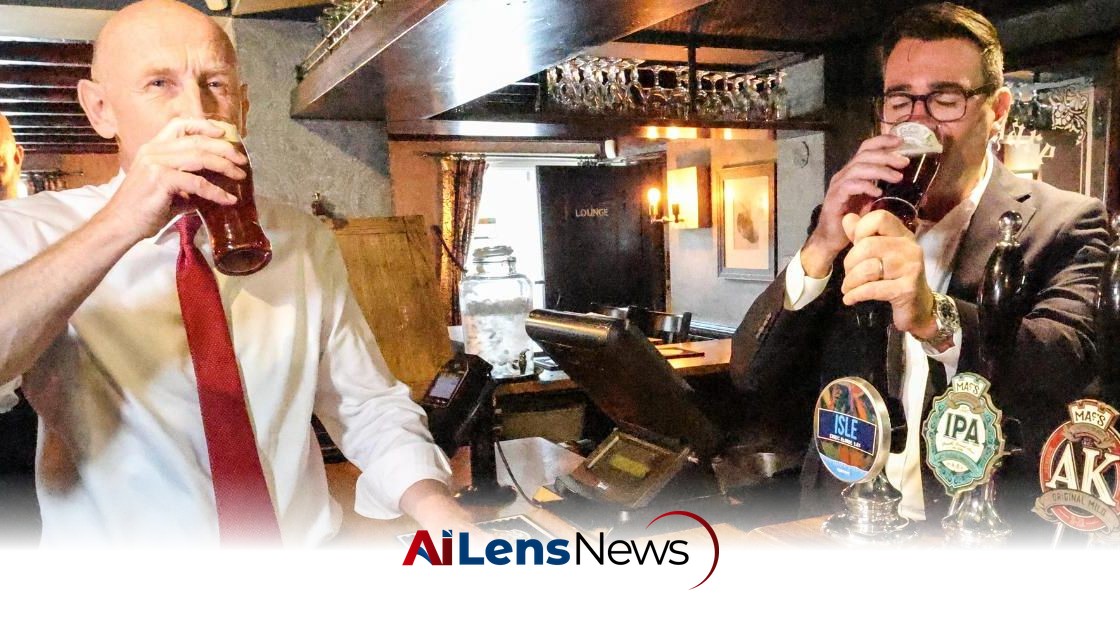
During his time in Glasgow, it was reported that Burnham was too busy to speak with the Scottish press. Yet, he was later seen enjoying a pint on Sky News with his Chancellor, John Healey. This stark contrast between his leisure activities and the decision to avoid media engagement has not gone unnoticed. Critics have pointed out that such optics could suggest a disconnect between Burnham's public persona and his actions, raising concerns about the authenticity of his commitment to engaging with the Scottish public and media.
The absence of media interactions during Burnham's visit is not an isolated incident. It mirrors a broader trend observed in recent visits by other UK government officials to Scotland. For instance, Scottish Secretary Douglas Alexander's visit to BAE Systems in Glasgow also lacked media engagement. This pattern is reminiscent of previous Labour leaders, particularly under Keir Starmer's leadership, who often neglected Scottish media during their visits. Such a trend raises concerns about the long-term implications for the relationship between the UK government and the Scottish public, especially as discussions about devolution and regional autonomy continue to evolve.
The message from Burnham's administration appears to be one of continuity rather than change. Despite pledges of a reset and a new approach, the avoidance of Scottish media suggests that the same old tactics are being employed. This has left many questioning the government's commitment to engaging with Scotland effectively. The lack of direct communication channels between the UK government and Scottish media could foster a sense of disenfranchisement among Scottish citizens, who may feel their concerns are not being adequately addressed or represented in Westminster's decisions.
In contrast to the UK government's approach, Scottish First Minister John Swinney and Welsh First Minister Rhun ap Iorwerth are expected to address the Scottish media directly during their meetings with Burnham. This divergence in communication styles highlights the different political landscapes and public expectations in Scotland and Wales. In Scotland, leaders are often perceived as being more accessible and responsive to the press and public, which may contribute to a greater sense of accountability and trust in the devolved administrations.
In lieu of direct engagement, the UK government has opted to provide a “read out” of discussions, essentially a summary of points they wish to communicate, rather than allowing for direct questioning from the press. This practice has been criticized as insufficient for fostering genuine dialogue and accountability. Many journalists and political commentators argue that such summaries can be overly curated and do not allow for the nuanced exploration of issues that direct questioning would facilitate. This lack of transparency can lead to misunderstandings and a disconnect between the government and the public, further exacerbating feelings of alienation among Scottish citizens.
This situation raises concerns about accountability, particularly regarding Burnham's recent decisions, such as the controversial promotion of Anas Sarwar to the House of Lords following his removal as Scottish Labour leader. Questions surrounding the implications of such moves, as well as the Prime Minister's stance on issues like a second independence referendum, remain unaddressed. The lack of transparency surrounding these decisions contributes to a growing sentiment of distrust among the Scottish electorate, who may feel that their interests are not being prioritized by the UK government.
As the Scottish media continues to be sidelined, it remains uncertain whether Burnham will adapt his approach in future engagements or continue down the same path as his predecessors. The ongoing reluctance to engage with Scottish press could have significant implications for the Labour Party's standing in Scotland, particularly as the next general election approaches. With rising support for independence and increasing scrutiny of Westminster's policies, the need for meaningful engagement with Scottish media and the public is more pressing than ever.
Furthermore, the dynamics of Scottish politics are influenced by broader trends within the UK, including the ongoing debates surrounding Brexit, economic recovery, and national identity. As Scotland navigates its path in the post-Brexit landscape, the relationship between the Scottish government and Westminster will be crucial in addressing the unique challenges faced by the region. Burnham's administration must recognize the importance of fostering open lines of communication with Scottish media to build trust and ensure that the voices of Scottish citizens are heard.
In conclusion, Andy Burnham's first visit to Scotland has highlighted significant challenges regarding media engagement and accountability. The decision to avoid Scottish print media raises questions about the government's commitment to transparency and the importance of direct communication with the public. As political landscapes evolve and the call for greater devolution continues, it will be essential for the UK government to reconsider its approach to media interactions in Scotland. The implications of this visit may resonate beyond the immediate context, shaping the future of UK-Scotland relations and the political landscape in the years to come. The need for a more inclusive and transparent dialogue between the UK government and the Scottish public is critical, especially in light of the complex issues facing the nation.
To learn more about the latest developments in Political Controversies, stay updated with our exclusive reports and analyses on AiLensNews.

