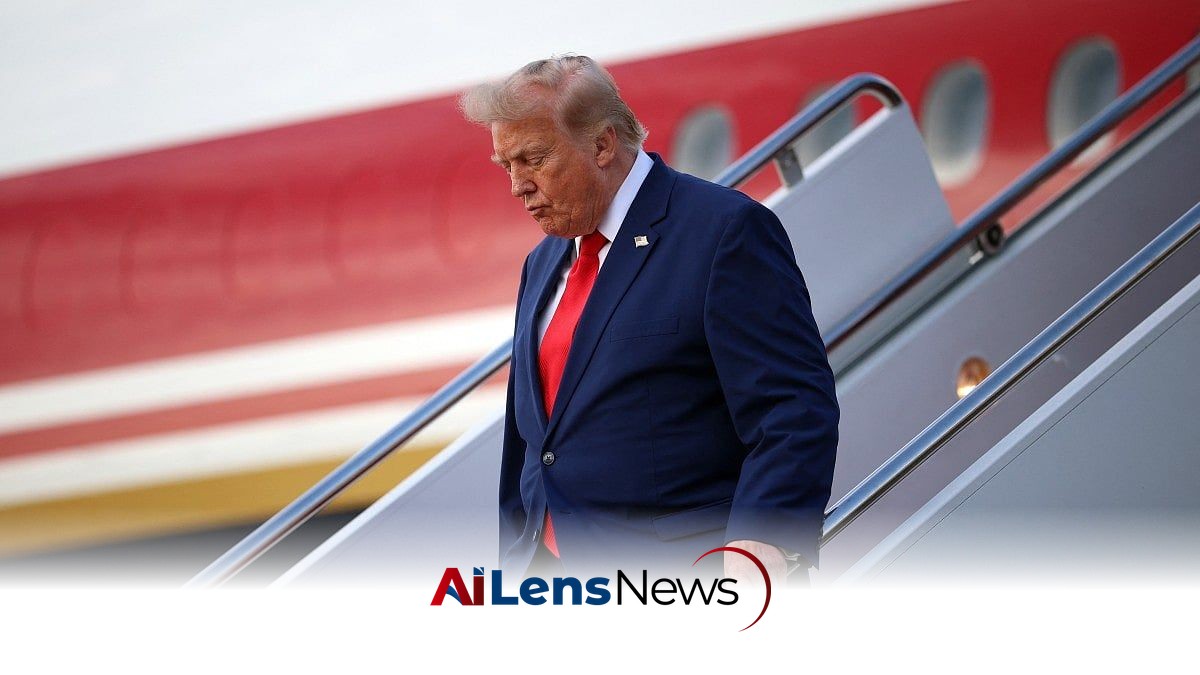


Trump pauses airstrikes on Iran amid complex geopolitical dynamics, weighing military readiness against diplomatic opportunities in the Middle East.
Abu Dhabi, United Arab Emirates Jul 26, 2026 ALN: The geopolitical landscape surrounding Iran has been a focal point of international relations for decades, marked by tensions, conflicts, and complex diplomacy. The history of U.S.-Iran relations is fraught with incidents that have shaped the current dynamics, including the 1979 Iranian Revolution, which led to the establishment of the Islamic Republic of Iran and the severing of diplomatic ties between the two nations. Since then, the U.S. has viewed Iran with suspicion, particularly due to its nuclear ambitions, support for militant groups, and its role in regional conflicts. In recent months, the situation has escalated, prompting a strategic pause from the United States as it recalibrates its approach to the Iranian crisis. This pause does not indicate a resolution; rather, it is a calculated move that reflects the multifaceted nature of the conflict and the various actors involved.
Despite ongoing diplomatic efforts, the crisis remains unresolved. The United States has maintained a significant military presence in the region, deploying additional forces and equipment in response to perceived threats from Iran. This posture underscores the seriousness with which Washington views the situation, particularly in light of Iran's insistence on specific conditions for shipping through the critical Strait of Hormuz. The Strait is a vital maritime chokepoint through which a significant portion of the world's oil supply passes, making its security a top priority for global energy markets. Any disruption in this region could lead to soaring oil prices and economic instability worldwide, thus heightening the stakes for both the U.S. and its allies.
Compounding the complexities of the situation is the involvement of non-state actors, such as the Houthis in Yemen, who have increased their military activities in the Red Sea, targeting vessels linked to Saudi Arabia. This expansion of hostilities adds another layer of tension to an already volatile region, further complicating any potential diplomatic resolution. The Houthis, who are aligned with Iran, have leveraged their position to exert pressure on Saudi Arabia, a key U.S. ally, thereby straining the delicate balance of power in the region. This alignment has implications for U.S. foreign policy, as the U.S. seeks to support its allies while also attempting to curb Iranian influence across the Middle East.
Internally, Iran's political landscape is fraught with challenges that hinder diplomatic breakthroughs. The Iranian government is characterized by competing power centers, each with its own interests and agendas. As noted by Michael Singh, a prominent analyst, the fragmented nature of Iran's political system can make it perilous for leaders to pursue compromises, especially if such actions could be perceived as capitulation by hardline factions within the country. This internal dynamic complicates the messaging from Tehran and raises questions about the sincerity and consistency of its diplomatic overtures. The Iranian leadership faces significant pressure from various factions, including hardliners who oppose any form of engagement with the U.S., making it difficult to navigate the complexities of international diplomacy.
The ongoing uncertainty surrounding Iran's willingness to engage in talks is further exacerbated by the geopolitical rivalry between the U.S. and Iran. While both nations may recognize the economic benefits of fully reopening the Strait of Hormuz, their fundamental disagreement over control and access to this critical waterway remains a significant barrier. The stakes are high, as any disruption in the Strait could have dire implications for global oil prices and economic stability. Furthermore, the U.S. has imposed a series of sanctions on Iran, aimed at curtailing its nuclear program and limiting its regional influence. These sanctions have had a profound impact on Iran's economy, but they have also hardened Tehran's resolve against what it perceives as U.S. aggression.
Adding another layer to the situation is the upcoming visit of Israeli Prime Minister Benjamin Netanyahu to Washington. Israel has historically played a pivotal role in shaping U.S. policy towards Iran, and Netanyahu's discussions with U.S. officials could have far-reaching implications for the current crisis. Notably, Israel has refrained from direct military involvement in the latest U.S. operations against Iran, which commenced earlier this year. However, any shift in Israel's stance could influence U.S. decision-making and the broader regional dynamics. The Israeli government views a nuclear-armed Iran as an existential threat, and its security concerns often drive U.S. policy in the region.
It is essential to recognize that the absence of military strikes does not equate to peace. The current pause in U.S. military action reflects a strategic assessment that military power alone may no longer suffice to achieve Washington's objectives in the region. This acknowledgment marks a significant shift in U.S. strategy, suggesting a potential pivot towards more diplomatic engagement, albeit tempered by the realities of the situation on the ground. The U.S. must balance its military capabilities with diplomatic efforts to create a sustainable resolution to the crisis.
Moreover, the implications of this strategic pause extend beyond the immediate crisis. The U.S. must navigate a complex web of alliances and adversarial relationships, balancing its interests with those of its allies in the region, including Saudi Arabia and Israel. The evolving security landscape necessitates a careful recalibration of U.S. foreign policy, as Washington seeks to address both the immediate threats posed by Iran and the longer-term stability of the region. The U.S. must also consider the perspectives of other regional players, such as Russia and China, who have their own interests in Iran and may complicate U.S. efforts to isolate Tehran.
In this context, the role of international diplomacy cannot be understated. Engaging with allies and adversaries alike will be critical in crafting a comprehensive strategy that addresses the multifaceted challenges posed by Iran. Diplomatic channels must remain open, even as military preparations continue, to ensure that all parties are aware of each other's positions and red lines. The potential for miscalculation is high, and clear communication will be essential to prevent escalation. The U.S. must also work to strengthen its alliances, as cooperation among allies can enhance collective security and deter Iranian aggression.
As the situation evolves, it is crucial for policymakers in Washington to remain vigilant and adaptable. The complexities of the Iranian crisis require a nuanced understanding of both regional dynamics and the internal politics of Iran itself. The strategic pause may provide an opportunity for renewed diplomatic engagement, but it also serves as a reminder of the precarious balance that must be maintained in the pursuit of stability in the Middle East. The U.S. must be prepared for a range of scenarios, from continued diplomatic efforts to potential military confrontations, as the situation remains fluid.
In conclusion, the current state of affairs surrounding Iran is emblematic of the intricate interplay of military power, diplomatic efforts, and regional politics. The United States finds itself at a crossroads, where the path forward must be navigated with caution and foresight. As the world watches, the implications of these decisions will resonate far beyond the immediate crisis, shaping the future of U.S.-Iran relations and the broader geopolitical landscape. The choices made in this critical juncture will not only affect the Middle East but could also have lasting repercussions on global security and economic stability.
To learn more about the latest developments in Elections, stay updated with our exclusive reports and analyses on AiLensNews.

