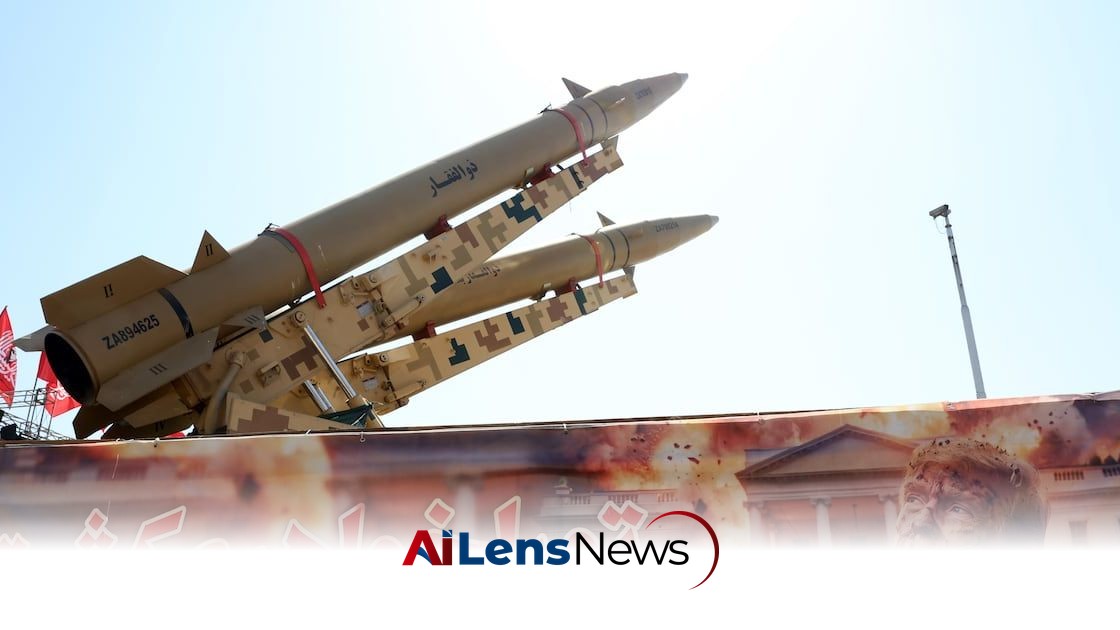


In a significant shift, President Trump announces the cessation of U.S. attacks on Iran and plans for negotiations aimed at opening the Strait of Hormuz, following discussions with Middle Eastern allies.
Abu Dhabi, United Arab Emirates Aug 2, 2026 ALN: The recent announcement by President Donald Trump regarding the halt of military attacks on Iran marks a significant shift in U.S. foreign policy in the region. This decision comes amidst escalating tensions that have characterized U.S.-Iran relations over the past several months, particularly following the collapse of a peace agreement in June. The renewed focus on diplomacy, with an aim to reach a new ceasefire, emphasizes the complex geopolitical landscape of the Middle East and the implications for global trade and security.
The Strait of Hormuz, a vital waterway through which approximately 20% of the world’s oil supply passes, has been a focal point of these tensions. The U.S. has long viewed the security of this strait as crucial not only for regional stability but also for the global economy. Trump's call for the "total opening" of the Strait of Hormuz reflects a broader strategy aimed at ensuring that maritime routes remain secure and unobstructed, which is essential for international trade. The strait serves as a critical chokepoint; any disruption in this area can lead to significant fluctuations in oil prices and can affect economies worldwide, particularly those heavily reliant on oil imports.
In his announcement on Truth Social, President Trump highlighted the dual objectives of the negotiations: the complete opening of the Strait of Hormuz and the cessation of Iran's nuclear ambitions. The Iranian nuclear program has been a contentious issue for years, with the U.S. and its allies expressing concerns over Iran's potential to develop nuclear weapons capabilities. The 2015 Joint Comprehensive Plan of Action (JCPOA), which aimed to limit Iran's nuclear activities in exchange for sanctions relief, was abandoned by the Trump administration in 2018. This withdrawal led to heightened tensions and a series of retaliatory actions between the two nations, including increased sanctions by the U.S. and subsequent Iranian nuclear advancements that raised alarms in both Washington and allied capitals.
The recent military actions taken by both the U.S. and Iran have included a series of strikes and counterstrikes, with Iran reportedly conducting near-daily attacks on neighboring countries, including Bahrain, Kuwait, and Jordan. These actions have not only escalated military tensions but have also had significant implications for the stability of the Gulf region. The involvement of Iranian-backed Houthi rebels in attacks on ships in the Red Sea further complicates the situation, as it highlights the broader regional proxy conflicts that often involve Iran and its adversaries. The Houthis have been engaged in a long-standing conflict in Yemen, and their actions against shipping in the Red Sea are perceived as part of Iran's strategy to exert influence across the region.
In addition to military considerations, the humanitarian and economic impacts of the ongoing conflict cannot be overlooked. The U.S. has faced domestic pressure to justify the escalating costs associated with the conflict, particularly as American lives and resources are at stake. The economic implications are profound, as rising tensions have led to increased oil prices and concerns about supply disruptions. Moreover, U.S. allies in the Gulf region have expressed concerns over the economic repercussions of the conflict, which have been exacerbated by Iranian strikes and the subsequent closure of the Strait of Hormuz. The economic consequences of these actions have reverberated throughout the region, affecting oil prices, trade routes, and the overall stability of Gulf economies. Countries that depend heavily on oil exports, such as Saudi Arabia and the UAE, are particularly vulnerable to fluctuations in oil prices driven by geopolitical tensions.
Secretary of State Marco Rubio's comments to Fox News underscore the administration's belief that the recent offensive actions have positioned the U.S. and its allies advantageously in negotiations with Iran. The assertion that Iran is now more willing to negotiate is indicative of a potential shift in the balance of power, as military pressure may have altered Iran's calculus regarding its nuclear program and regional aggression. Rubio’s remarks about Iran's diminished conventional military capabilities suggest that the U.S. believes it has gained leverage in the negotiations. However, the Iranian regime's resilience and its history of asymmetric warfare tactics, including cyber warfare and proxy engagements, should not be underestimated. Such capabilities allow Iran to project power and influence even in the face of conventional military disadvantages.
However, the dynamics of international diplomacy are complex, and the potential for a successful negotiation remains uncertain. While the U.S. may approach these talks from a perceived position of strength, the inherent risks of miscalculation and escalation remain. Iran's military capabilities, including its missile and drone technology, continue to pose a threat, and the potential for renewed hostilities cannot be dismissed. The geopolitical ramifications of any agreement reached—or failed negotiations—could have lasting impacts on U.S.-Iran relations and the broader Middle East. A breakdown in talks could lead to an escalation of military operations, further entrenching both sides in a cycle of retaliation.
The implications of this diplomatic overture extend beyond the immediate U.S.-Iran relationship. A successful negotiation could lead to a reduction in hostilities and a more stable Middle East, which would benefit not only the countries directly involved but also the global community. Conversely, failure to reach an agreement could result in a resurgence of military actions, further destabilizing the region and adversely affecting global oil markets. The ripple effects of such instability could lead to increased refugee flows, humanitarian crises, and a resurgence of extremist groups that thrive in chaotic environments.
As the situation develops, the international community will be closely monitoring the outcomes of these negotiations and the potential for a lasting peace. The U.S. administration's commitment to engage in talks while maintaining a strong military posture reflects a dual strategy of diplomacy backed by the threat of force. This approach may be necessary in the short term, but the long-term success of any agreement will depend on the willingness of both sides to compromise and work towards a sustainable resolution of their differences. The historic mistrust between the U.S. and Iran, coupled with domestic political pressures in both countries, adds layers of complexity to the negotiation process.
In conclusion, President Trump's announcement to halt attacks on Iran and initiate talks represents a pivotal moment in U.S. foreign policy. The focus on opening the Strait of Hormuz and addressing Iran's nuclear threat highlights the interconnected nature of military, economic, and diplomatic considerations in the region. As both sides prepare for negotiations, the global community watches closely, recognizing that the stakes are high and the implications far-reaching. The outcome of these discussions could redefine not only U.S.-Iran relations but also the broader geopolitical landscape of the Middle East for years to come.
To learn more about the latest developments in Political Controversies, stay updated with our exclusive reports and analyses on AiLensNews.

