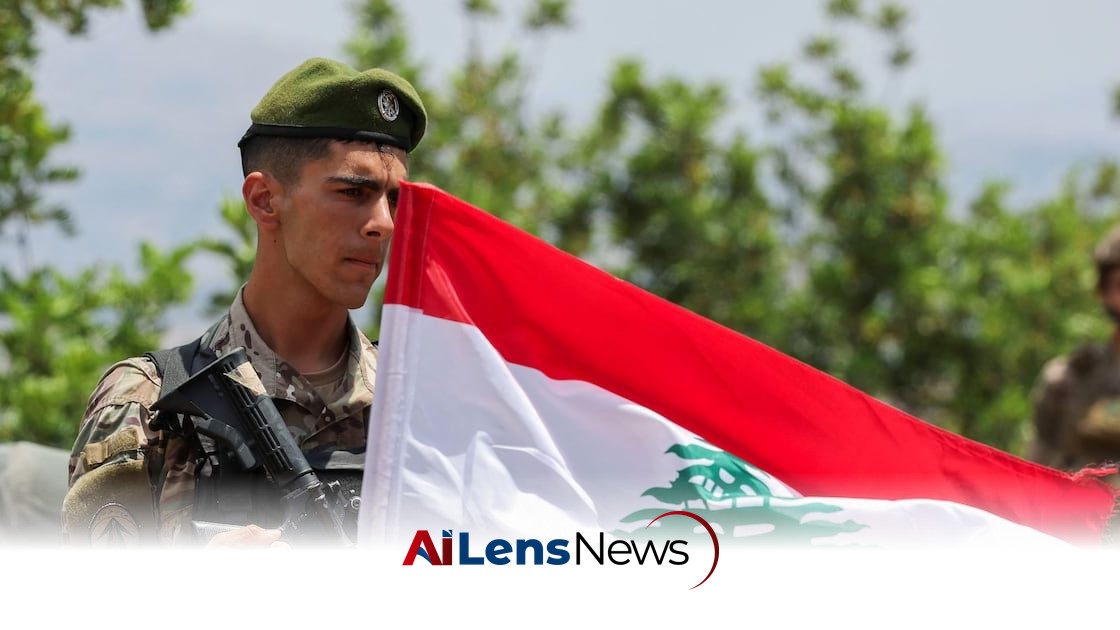


Lebanon's President Joseph Aoun visits Washington, securing U.S. support amid ongoing challenges in peace negotiations with Israel.
Abu Dhabi, United Arab Emirates Jul 24, 2026 ALN: Lebanon has long been a focal point of geopolitical tensions in the Middle East, particularly in its relations with Israel. The recent diplomatic efforts, highlighted by the visit of Lebanese President Joseph Aoun to the White House, underscore the complexities and challenges Lebanon faces as it navigates peace talks with its southern neighbor. During this visit, US President Donald Trump expressed his administration's support for Lebanon, marking a significant moment in the bilateral relations between the two nations.
One of the most notable announcements from President Trump was the decision to overturn a four-decade ban on US airlines flying to Lebanon. This move is seen as a step towards revitalizing Lebanon's economy, which has suffered significantly due to years of political instability, economic crises, and the repercussions of regional conflicts. The lifting of the travel ban could potentially encourage tourism and business investments in Lebanon, providing a much-needed boost to the economy.
The Lebanese economy has been in a precarious state, characterized by high unemployment rates, inflation, and a significant public debt crisis. The COVID-19 pandemic exacerbated these issues, leading to a sharp decline in economic activity and a surge in poverty levels. By reopening the skies to US airlines, Lebanon hopes to attract international tourists and investors, which could contribute to economic recovery. However, the success of this initiative will depend on the overall security situation in the country and the region.
In addition to the lifting of the travel ban, President Trump also mentioned concrete plans to support the Lebanese Armed Forces (LAF). The LAF has been a key player in maintaining stability in Lebanon, especially in the face of challenges posed by various militant groups, including Hezbollah. The support from the US is crucial for the LAF, which has been working to strengthen its capabilities amid ongoing security threats and internal political challenges. US military aid to the LAF has been a contentious issue, as some critics argue that it may inadvertently bolster the military capabilities of a state that is often seen as being influenced by non-state actors like Hezbollah.
The backdrop to these diplomatic efforts is the trilateral framework agreement signed in June between Lebanon, Israel, and the United States. This agreement outlines a path towards peace but also places significant obligations on Lebanon. According to the terms of the agreement, Lebanese forces are required to disarm Hezbollah and reassert control over areas that have been dominated by the group. In return, Israel is expected to redeploy its troops from areas it currently occupies in Lebanon. However, critics of the deal argue that it imposes heavier burdens on Lebanon, particularly in terms of disarming Hezbollah, a group that has considerable influence and support within Lebanon.
The challenge of disarming Hezbollah is not merely a matter of military strategy; it is deeply intertwined with Lebanon's complex political landscape. Hezbollah, which is both a political party and a militant group, has a significant support base among the Shia population in Lebanon. Disarming the group could lead to political instability and backlash from its supporters, creating a delicate balancing act for the Lebanese government. The Lebanese political system is characterized by a sectarian power-sharing arrangement, which complicates any efforts to marginalize a group that has substantial grassroots support.
Compounding these challenges is the humanitarian crisis in southern Lebanon, where hundreds of thousands of people remain forcibly displaced from their homes due to Israeli attacks that have caused widespread destruction. The displacement crisis is a stark reminder of the ongoing conflict and its devastating impact on civilians. Many families have been uprooted from their communities, facing dire living conditions and a lack of basic services. The Lebanese government is under pressure not only to address security concerns but also to provide for the needs of these displaced populations. The influx of refugees from Syria has further strained Lebanon's resources, making the situation even more challenging.
In the latest episode of the program Beyond the Headlines, host Nada AlTaher delves into the opportunities and challenges Lebanon faces as it strives to bridge the gap between dialogue and the reality on the ground. The discussions feature insights from Nada Homsi, a correspondent for The National in Lebanon, and Paul Salem, a senior associate at the Centre for Strategic and International Studies. Their expert analyses shed light on the intricate dynamics at play in Lebanon's pursuit of peace and stability.
As Lebanon continues its diplomatic efforts, the implications of these developments are significant not only for the country itself but also for the broader Middle Eastern region. The success or failure of these peace talks could set a precedent for how similar conflicts are approached in the future. Moreover, the international community is closely watching Lebanon's progress, as it could influence foreign aid, investment, and diplomatic relations in the region. The outcome of these negotiations may also affect the balance of power among various factions within Lebanon, as well as the broader geopolitical landscape in the Middle East.
In conclusion, Lebanon's journey towards peace with Israel is fraught with challenges, from disarming Hezbollah to addressing the humanitarian crisis faced by displaced populations. The recent diplomatic engagements, particularly the support from the US, signal a potential shift in Lebanon's approach to these issues. However, the path forward remains complex, requiring careful navigation of both internal and external pressures. The coming months will be critical as Lebanon seeks to fulfill its commitments under the trilateral framework while maintaining stability and addressing the needs of its citizens. The interplay between domestic politics, regional dynamics, and international relations will be pivotal in shaping Lebanon's future and its prospects for lasting peace.
To learn more about the latest developments in Elections, stay updated with our exclusive reports and analyses on AiLensNews.

