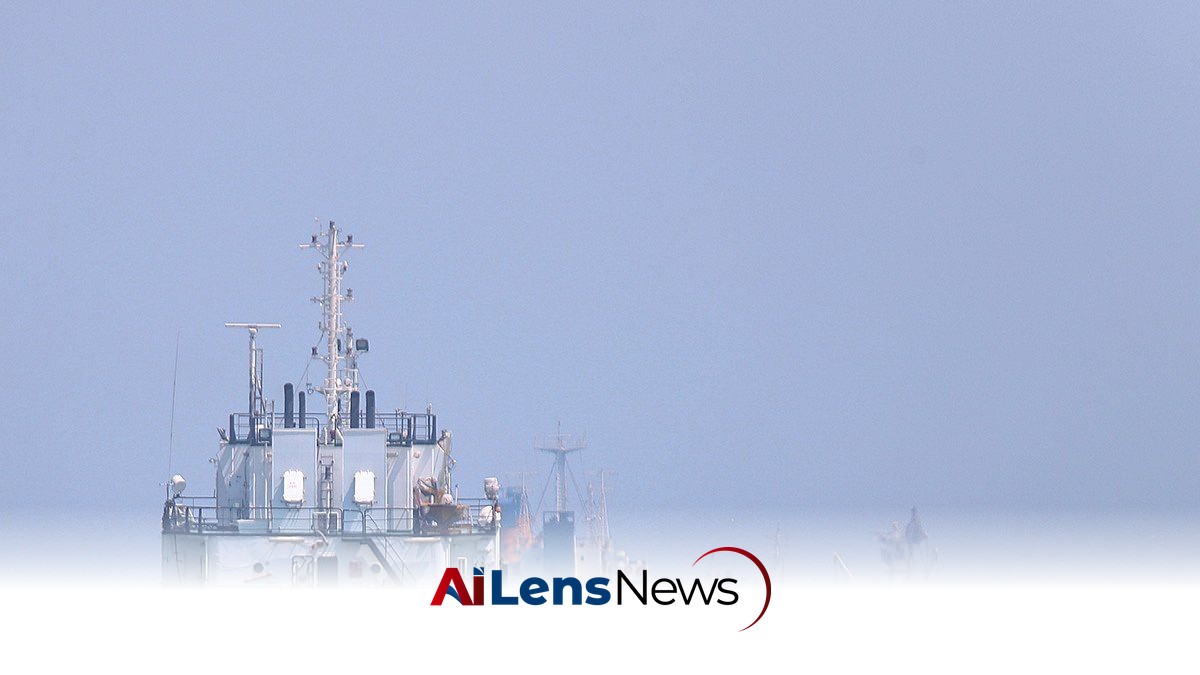


Iran's renewed attacks on commercial shipping raise concerns over its influence in the Strait of Hormuz. The U.S. responds with military support for alternative routes.
Abu Dhabi, United Arab Emirates Jul 13, 2026 ALN: Iran has resumed attacks on commercial shipping, raising alarms about its growing influence over the vital Strait of Hormuz. This strategic waterway is crucial for global energy trade, making the recent developments particularly concerning for international shipping and energy markets.
The Strait of Hormuz is one of the world's most important maritime chokepoints, connecting the Persian Gulf to the Arabian Sea. Approximately one-fifth of the global oil supply passes through this narrow strait, making it a focal point for international trade and a significant factor in global energy security. In recent months, Iran has insisted that vessels navigate closer to its coastline and obtain permission from a newly established authority. This move has been interpreted as an attempt to exert greater control over maritime routes, which could significantly impact global oil supply and prices.
The Iranian government's actions can be seen as part of a broader strategy to assert its dominance in the region, particularly in light of ongoing tensions with Western nations and neighboring countries. The Iranian leadership has long viewed the Strait of Hormuz as a critical area of national interest, and its recent insistence on tighter control over shipping lanes reflects a desire to leverage this strategic position in the face of economic sanctions and international isolation.
In response to these developments, the United States has backed an alternative shipping corridor along Oman’s coast. This initiative aims to provide a safer route for commercial traffic, reducing reliance on the Iranian-controlled waters. The U.S. has also intensified military operations in the region to protect shipping interests and ensure the free flow of commerce. This includes deploying naval assets and conducting joint exercises with allied nations, underscoring the commitment of the U.S. and its partners to maintain open and secure maritime routes.
These escalating tensions come amid broader geopolitical conflicts involving Iran, including its nuclear program and regional military activities. The situation in the Strait of Hormuz is a focal point for these tensions, as it is a critical chokepoint for oil shipments from the Gulf states. The geopolitical landscape is further complicated by Iran's relationships with other regional players, such as Saudi Arabia, the United Arab Emirates, and various non-state actors in Iraq, Syria, and Yemen.
Iran's military activities in the region, including its support for proxy groups and its missile program, have raised concerns among its neighbors and the international community. The possibility of military confrontation in the Strait of Hormuz has been a persistent worry, particularly given Iran's history of aggressive actions against shipping in the area. Incidents of harassment, seizure of vessels, and attacks on oil tankers have occurred in the past, contributing to an atmosphere of uncertainty and fear in global markets.
As Iran continues to assert its authority in the region, the implications for global energy security are profound. Analysts warn that any disruption in this area could lead to significant fluctuations in oil prices and impact economies worldwide. The potential for increased shipping costs could ripple through various sectors, affecting everything from transportation to manufacturing. Furthermore, any military escalation could lead to broader conflicts that might involve multiple countries, further destabilizing the region.
The Strait of Hormuz's strategic significance is underscored by the fact that it serves as a transit point not only for oil but also for liquefied natural gas (LNG) and other goods. The potential for disruption in this key maritime route could have far-reaching consequences, not only for energy-consuming nations but also for the global economy as a whole.
In conclusion, the renewed hostilities in the Strait of Hormuz highlight the precarious balance of power in the region. With both Iran and the U.S. taking assertive stances, the potential for conflict remains high, necessitating close monitoring of the situation. The international community must navigate these tensions carefully, balancing the need for energy security with the imperative of diplomatic engagement to prevent escalation into open conflict. As the situation evolves, the impact on global markets, regional stability, and international relations will be critical areas to watch in the coming months.
Historically, the Strait of Hormuz has been a flashpoint for tensions between Iran and Western nations, especially the United States. The U.S. has maintained a military presence in the Persian Gulf to ensure the security of shipping lanes and to deter Iranian aggression. This presence has included aircraft carriers and naval escorts for commercial vessels, which serve as a deterrent against potential Iranian attacks. However, this military posture is not without its risks, as it can provoke confrontations that escalate into larger conflicts.
Iran's geopolitical strategy often hinges on its ability to project power beyond its borders, particularly through asymmetric warfare tactics. This includes the use of proxy groups across the Middle East, which Iran supports in countries like Lebanon, Syria, and Yemen. These groups can disrupt shipping routes or carry out attacks that serve Iran's strategic interests without direct involvement by Iranian forces. The U.S. and its allies have frequently condemned these actions, viewing them as destabilizing influences in the region.
The economic implications of Iran's actions in the Strait of Hormuz are significant. Disruptions in oil shipments can lead to immediate spikes in global oil prices, which can have cascading effects on economies that rely heavily on oil imports. For instance, countries in Asia, particularly those that depend on oil from the Gulf, could face increased costs that may translate to higher consumer prices and inflation. Similarly, the energy policies of major economies like China and India could be heavily impacted by fluctuations in oil supply, leading to shifts in their energy strategies.
Furthermore, the potential for military escalation raises questions about the security of maritime trade routes beyond the Strait of Hormuz. If tensions lead to a broader conflict, shipping routes in the Red Sea and the Mediterranean could also be affected, further complicating global trade dynamics. Shipping companies may need to reconsider their routes and insurance premiums could rise, increasing the overall costs of goods transported across these vital maritime corridors.
The international response to Iran's actions is not limited to military measures. Diplomatic efforts are crucial in addressing the underlying issues that contribute to instability in the region. This includes engaging Iran in dialogues about its nuclear program and its influence over regional conflicts. The Joint Comprehensive Plan of Action (JCPOA), which aimed to limit Iran's nuclear capabilities in exchange for sanctions relief, remains a contentious issue. The collapse of this agreement has led to increased tensions, and any potential negotiations could have significant implications for the Strait of Hormuz and broader regional stability.
In addition to military and diplomatic responses, economic strategies such as sanctions have been employed against Iran to curb its influence. However, these measures have often had mixed results and can sometimes exacerbate tensions rather than alleviate them. The Iranian government has historically used economic hardships as a rallying point to strengthen nationalistic sentiments among its populace, which can complicate international efforts to bring about change.
As the situation in the Strait of Hormuz continues to evolve, the role of international organizations, such as the United Nations, becomes increasingly important. These bodies can facilitate dialogue and provide platforms for conflict resolution. However, their effectiveness often depends on the willingness of member states to cooperate and engage in constructive discussions, which can be challenging given the entrenched positions of the parties involved.
In summary, the situation in the Strait of Hormuz is emblematic of the broader geopolitical struggles in the Middle East. The interplay between military posturing, economic interests, and diplomatic efforts will shape the future of this crucial maritime corridor. As stakeholders navigate these complex dynamics, the focus on ensuring the security of global energy supplies will remain paramount, necessitating a multifaceted approach to address the underlying tensions that threaten stability in the region.
To learn more about the latest developments in Political Controversies, stay updated with our exclusive reports and analyses on AiLensNews.

