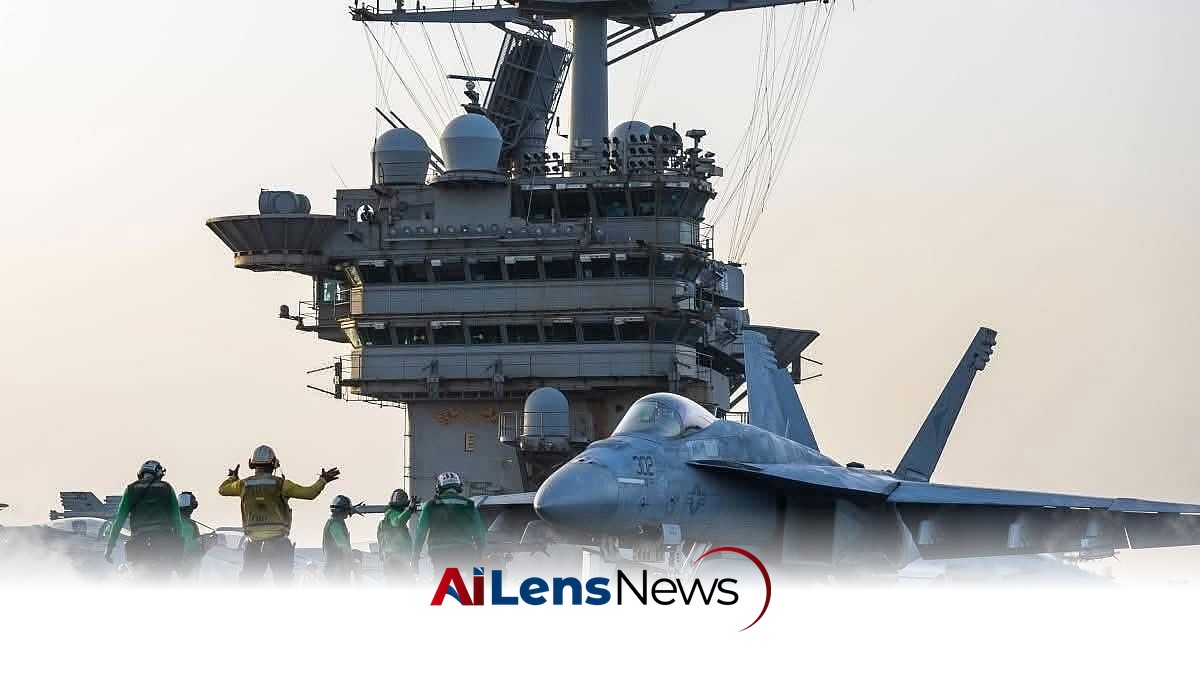


Exploring a new approach to end the US-Iran conflict by fostering shared economic interests in the Strait of Hormuz.
Abu Dhabi, United Arab Emirates Aug 1, 2026 ALN: The Strait of Hormuz is a narrow passageway that serves as a critical artery for global oil shipments, with approximately 20% of the world’s petroleum passing through this strategic waterway. This vital passage connects the Persian Gulf to the Gulf of Oman and the Arabian Sea, making it a focal point for geopolitical tensions, particularly between Iran and Western nations, primarily the United States. The strait has historically been a flashpoint for military confrontations, economic sanctions, and diplomatic negotiations, underscoring the complex interplay of national interests that characterize the region.
The strategic importance of the Strait of Hormuz cannot be overstated. It is not only a transit route for oil but also a symbol of the broader geopolitical dynamics in the Middle East. The waterway is flanked by several key nations, including Iran to the north and the United Arab Emirates and Oman to the south. This geographical positioning makes it a significant point of interest for both regional and global powers. The strait’s narrowest point is approximately 21 miles wide, and given that it is the only sea passage for oil exports from the Gulf states, any disruption in this area can lead to severe economic repercussions worldwide.
In recent years, the situation in the Strait of Hormuz has become increasingly precarious. The ongoing tensions between the U.S. and Iran, exacerbated by a series of provocative actions and retaliatory measures, have led to fears of a potential conflict that could disrupt the flow of oil and destabilize global markets. The deep-rooted mistrust between Washington and Tehran is not merely a product of recent events; it is the culmination of decades of political, ideological, and military confrontations that have left both sides wary of each other’s intentions. The U.S. withdrawal from the Joint Comprehensive Plan of Action (JCPOA) in 2018 and the subsequent re-imposition of sanctions on Iran have further strained relations, leading to an escalation of hostilities.
Despite the seemingly intractable nature of these tensions, there is a growing recognition that peace cannot be achieved through threats and military might alone. As Pope Leo XIV has emphasized, nations have a moral duty to pursue peace and reconciliation, even in the face of deep-seated animosities. This call for a shift in mindset is particularly relevant in the context of the Strait of Hormuz, where the stakes are incredibly high, not just for the countries bordering the waterway but for the global economy as a whole. The potential for conflict in the region poses a risk not only to the nations directly involved but also to global energy security, trade routes, and economic stability.
There is a potential path forward that hinges on the idea of shared economic interests. If all nations bordering the Strait of Hormuz, including Iran, the United Arab Emirates, Oman, and Saudi Arabia, can come together to recognize the mutual benefits of keeping this crucial maritime route open, it could lead to a significant reduction in hostilities. Furthermore, the major energy importers, including countries in Asia, Europe, and North America, have a vested interest in maintaining stability in the region, as any disruption to oil supplies would have far-reaching consequences for their economies. The interconnectedness of global markets means that instability in the Strait of Hormuz could lead to increased oil prices, inflation, and economic downturns in countries far removed from the conflict.
The Strait of Hormuz is not just a geographical feature; it is a strategic asset that can either be a source of conflict or a foundation for cooperation. The potential for establishing a framework for shared governance over the strait could serve as a catalyst for broader diplomatic engagement between Iran and the United States. This would not eliminate all disputes, especially given the ideological divides that persist, but it could mark a significant step towards de-escalation and constructive dialogue. Such a framework could involve agreements on navigation rights, environmental protections, and security protocols to ensure the safety of vessels passing through the strait.
Historically, durable peace has often been built on economic interdependence. The European Union, for example, emerged from the ashes of World War II, driven by the desire to create a unified economic space that would make future conflicts less likely. Similarly, the countries surrounding the Strait of Hormuz could benefit from a collaborative approach that prioritizes economic cooperation over military confrontation. Initiatives such as joint infrastructure projects, shared energy ventures, and collaborative trade agreements could foster a spirit of partnership and mutual benefit that may help to alleviate tensions in the region.
The implications of such a shift in thinking are profound. A collaborative framework for the Strait of Hormuz could involve various mechanisms, such as joint security patrols, shared intelligence on maritime threats, and coordinated responses to any disruptions. Additionally, economic incentives could be established to encourage all parties to uphold the stability of the strait, including investment in infrastructure, energy projects, and trade agreements that would benefit the region as a whole. By aligning economic interests, nations could create a vested interest in maintaining peace and stability, thereby reducing the likelihood of conflict.
However, the path to achieving this shared vision is fraught with challenges. The historical animosities between Iran and the U.S. are deeply entrenched, and any attempts to engage in dialogue will require both sides to make significant concessions. The political climate in both countries, influenced by domestic pressures and regional dynamics, complicates the prospect of meaningful negotiations. Furthermore, the role of external actors, such as Russia and China, who have their own interests in the region, adds another layer of complexity to the situation. These nations may seek to exploit tensions for their own geopolitical purposes, further complicating the landscape for diplomacy.
Moreover, the proliferation of advanced military technologies, including long-range drones and precision-guided munitions, has changed the nature of conflict in the region. These capabilities increase the risk of miscalculation and escalation, making it even more critical for all parties to engage in dialogue and establish clear channels of communication. Without such measures, the potential for conflict remains high, with dire consequences for global energy markets and regional stability. The presence of foreign military assets in the region, including naval forces from the U.S. and allied nations, further complicates the security environment, as any misstep could lead to unintended confrontations.
In conclusion, while the current environment in the Strait of Hormuz is characterized by deep mistrust and ongoing tensions, there exists a unique opportunity for a diplomatic breakthrough. By focusing on shared economic interests and the mutual benefits of keeping the strait open, it may be possible to pave the way for a more cooperative approach to regional security. This would not only contribute to peace in the region but also serve the broader interests of global stability and economic prosperity. The journey towards this goal will undoubtedly be challenging, but it is a necessary endeavor if the world is to avoid the catastrophic consequences of a conflict in one of its most vital maritime corridors. The potential for collaboration in the Strait of Hormuz highlights the importance of diplomacy and the need for innovative solutions to longstanding geopolitical challenges.
To learn more about the latest developments in Elections, stay updated with our exclusive reports and analyses on AiLensNews.

