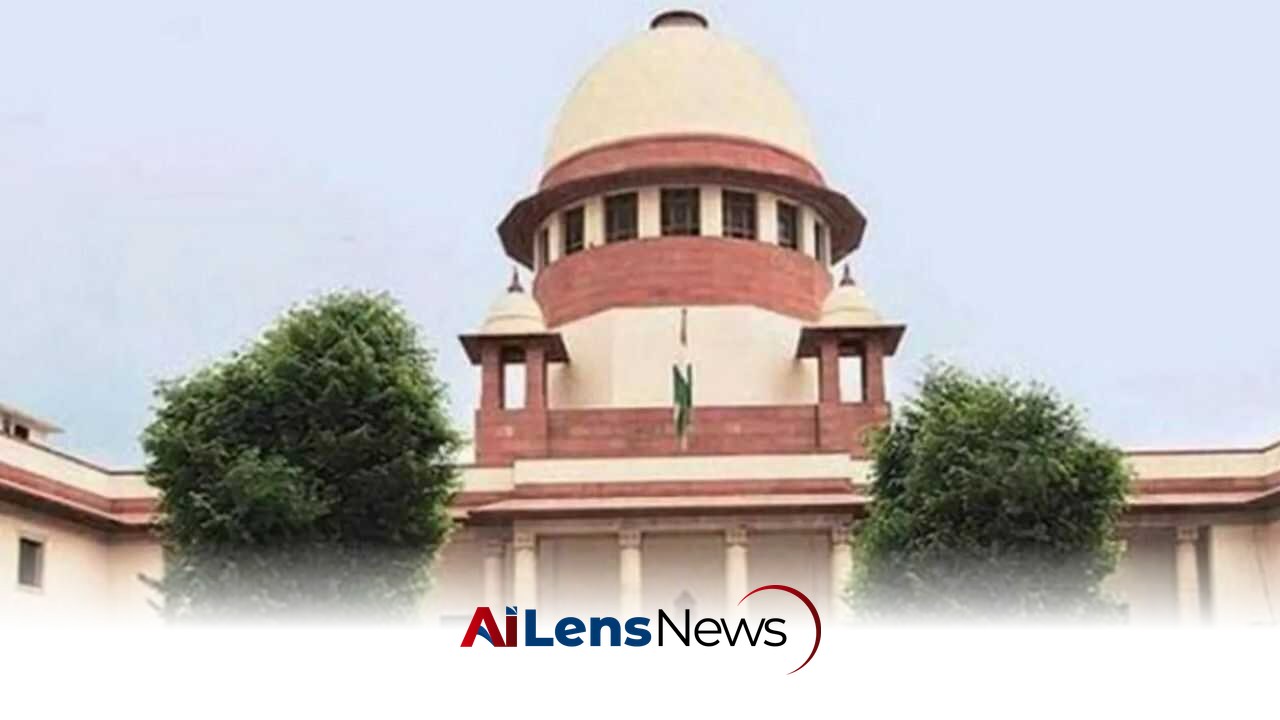


The Supreme Court has criticized municipal authorities in several cities for illegal constructions and demanded reports on unsafe buildings.
New Delhi, India Jul 9, 2026 ALN: The Supreme Court of has taken a strong stance against municipal authorities in Delhi, Gurugram, Lucknow, Patna, and Tamil Nadu regarding the issue of illegal constructions. During a recent hearing, the court reprimanded these authorities for their failure to address the growing concerns surrounding unsafe buildings that pose a significant risk to public safety. The court’s intervention comes at a time when urban development is rapidly expanding, but often without adequate oversight, resulting in a proliferation of buildings that do not comply with safety standards.
The court's directive is a response to increasing reports of illegal constructions that have not only violated building regulations but also endanger the lives of residents. In many urban areas, the lack of stringent enforcement of building codes has led to a surge in unauthorized constructions, often characterized by subpar materials and inadequate structural integrity. The Supreme Court emphasized the necessity for immediate action, stating, "There should be no slackness" in dealing with these violations. This statement underscores the urgency of the situation and the court’s expectation that municipal authorities take their responsibilities seriously.
Illegal constructions are a significant concern in many cities, where rapid urbanization has outpaced regulatory frameworks. The Supreme Court's order mandates the formation of a special team tasked with surveying these unsafe structures. This team is expected to provide comprehensive reports detailing the actions taken to demolish or shut down buildings deemed hazardous. The formation of such a team reflects a proactive approach to urban safety and highlights the need for specialized oversight in managing the complexities of urban development.
The implications of this ruling are far-reaching. For one, it places the onus of responsibility squarely on municipal authorities, compelling them to act decisively against illegal constructions. This could lead to a significant shift in how urban planning and safety regulations are enforced across the country. Moreover, the special team’s findings will likely serve as a benchmark for future actions, establishing a precedent for accountability in urban governance.
In many cases, illegal constructions are not merely the result of oversight but can be attributed to systemic issues, including corruption, lack of resources, and inadequate training among municipal staff. The Supreme Court's actions aim to ensure that public safety is prioritized and that measures are put in place to prevent further illegal constructions. By addressing these systemic issues, the court is not only seeking immediate remedies but is also advocating for long-term solutions that can enhance urban safety standards.
As the situation develops, the Supreme Court will closely monitor the progress of the special team's findings and the subsequent actions taken by the municipal authorities. The court's commitment to addressing these issues underscores its role in safeguarding public welfare and enforcing legal standards in urban development. This vigilant oversight is crucial, especially in a country where the rapid pace of urbanization often outstrips the ability of regulatory bodies to enforce compliance with safety norms.
The issue of illegal constructions is particularly pressing in metropolitan areas where the demand for housing and commercial spaces is high. Many residents, driven by necessity, often settle for substandard housing, which may not meet basic safety standards. This not only places them at risk but also creates a cycle of poverty and vulnerability that is difficult to break. The Supreme Court’s intervention may provide a glimmer of hope for these residents, as it seeks to dismantle the structures that endanger their lives and livelihoods.
Furthermore, the court’s ruling may catalyze a broader discussion about urban planning in . It raises critical questions about how cities can accommodate growth while ensuring that safety and regulations are not compromised. The Supreme Court's proactive stance could inspire similar actions in other regions, encouraging a nationwide reevaluation of urban development practices and the enforcement of building codes.
Illegal constructions are not a new phenomenon in ; they have been a persistent issue for decades, exacerbated by rapid urbanization, population growth, and a shortage of affordable housing. In many instances, these constructions arise from the urgent need for housing in urban areas where the demand far exceeds supply. As cities expand, the pressure to build quickly can lead to corners being cut, resulting in unsafe living conditions.
Moreover, the socio-economic factors contributing to illegal constructions cannot be overlooked. In many cases, individuals and families find themselves in dire situations, where the only option for shelter is to occupy illegal or unsafe buildings. This situation is compounded by a lack of alternative housing options, leaving vulnerable populations with little choice but to risk their safety for the sake of shelter.
The Supreme Court's ruling comes at a crucial juncture, as urban areas across grapple with the dual challenges of managing rapid growth while ensuring that safety standards are met. The establishment of a special team to survey illegal constructions indicates a shift towards a more systematic approach to urban governance. This team will likely include experts in urban planning, civil engineering, and public safety, who can provide the necessary insights into the structural integrity of buildings and recommend appropriate actions.
In addition to the immediate implications for public safety, the court's ruling may also have long-term effects on urban policy and planning. If municipal authorities are held accountable for illegal constructions, there may be increased pressure to develop more comprehensive urban planning frameworks that prioritize safety and compliance with building regulations. This could lead to the development of more robust mechanisms for monitoring construction activities and ensuring that they adhere to established codes.
The court's intervention may also encourage greater public awareness and involvement in urban governance. As citizens become more aware of the risks associated with illegal constructions, there may be a push for greater transparency and accountability from local authorities. This could foster a culture of civic engagement, where residents take an active role in advocating for safe and sustainable urban environments.
In conclusion, the Supreme Court's recent orders reflect a proactive approach to tackling the challenges posed by illegal constructions. By demanding accountability and swift action from municipal authorities, the court aims to protect citizens from the dangers associated with unsafe buildings. As urban areas continue to grow, the need for effective regulation and oversight becomes increasingly important. The court’s actions may serve as a catalyst for change, prompting a reevaluation of how urban spaces are developed and maintained, ultimately contributing to safer and more sustainable cities for all residents. The ongoing developments in this case will be closely watched, as they may set a precedent for how similar issues are addressed in the future, reinforcing the importance of safety and compliance in urban development.
To learn more about the latest developments in Political Controversies, stay updated with our exclusive reports and analyses on AiLensNews.

