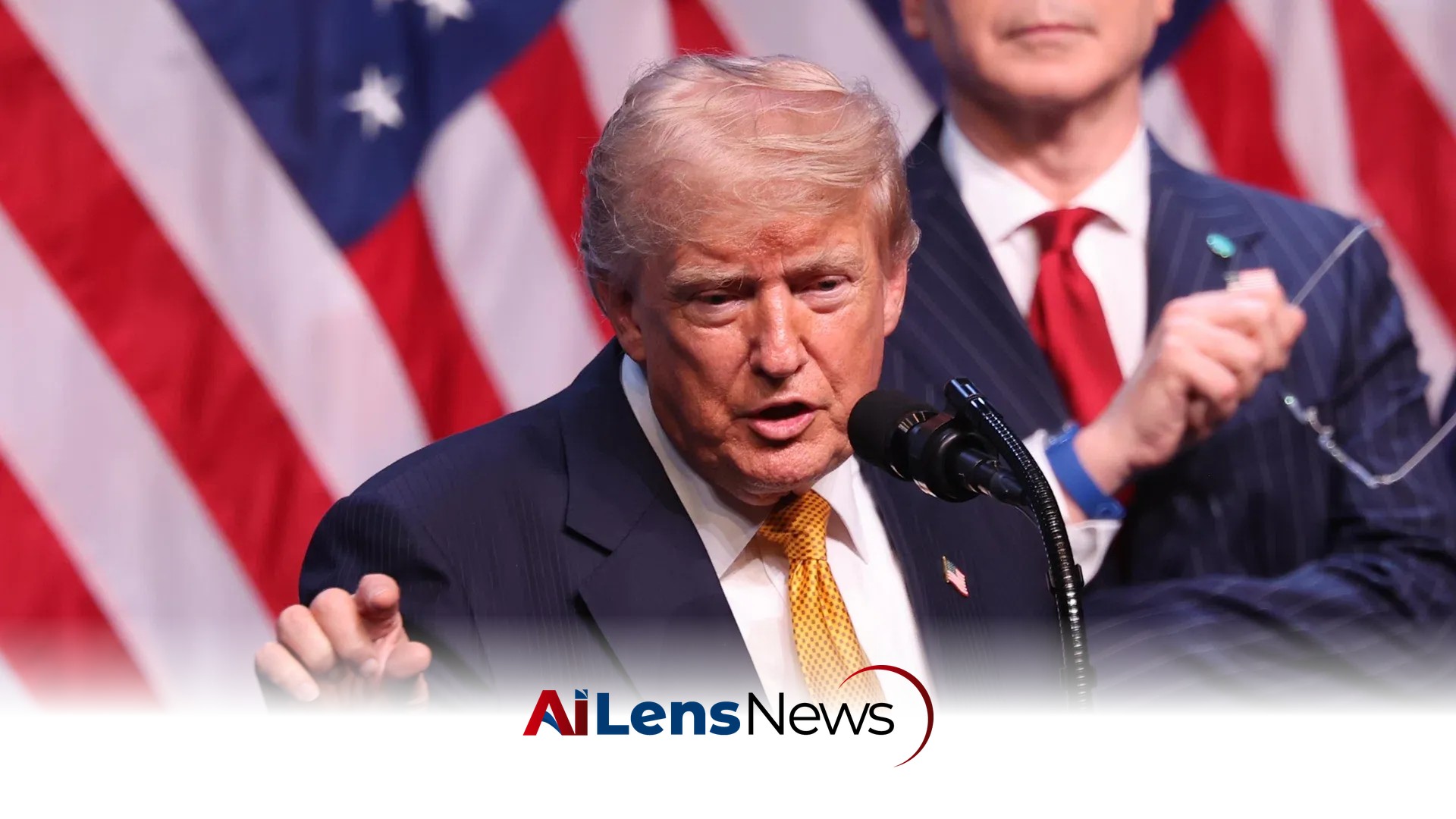


President Trump announced a 20% reimbursement demand on all cargo passing through the Strait of Hormuz, escalating tensions with Iran.
Singapore, Singapore Jul 13, 2026 ALN: The Strait of Hormuz is a strategically significant waterway that connects the Persian Gulf to the Gulf of Oman. Historically, it has been a focal point of geopolitical tension, particularly between the United States and Iran. This narrow passageway is crucial for global oil shipments, with approximately one-fifth of the world's oil supply passing through it daily. Given its importance, any actions taken by nations regarding this strait can have far-reaching implications for international trade, energy prices, and diplomatic relations.
In a recent announcement, President Donald Trump declared that the United States would reinstate its blockade of Iranian ships transiting the Strait of Hormuz. This decision comes amid heightened tensions between Washington and Tehran, following a series of confrontations that have raised concerns about the security of maritime traffic in the region. Trump's statement included a demand for a 20 percent reimbursement on all cargo shipped through the strait, framing it as a necessary measure to ensure safety and security in a volatile area.
Trump's proclamation that "The USA will be, from this point forward, known as 'THE GUARDIAN OF THE HORMUZ STRAIT,' but as such, and as a matter of FAIRNESS, will be reimbursed, at the rate of 20% on all cargo shipped, for any and all costs necessary to do the job of providing safety and security to this very volatile section of the World," indicates a significant shift in U.S. policy. This assertion suggests a more aggressive stance toward Iranian maritime activities, which could further escalate tensions in an already fraught geopolitical landscape.
The implications of Trump's statements are profound. By positioning the U.S. as the "guardian" of the Strait of Hormuz, the Trump administration is asserting a role that could lead to increased military presence and potential confrontations with Iranian forces. Historically, the Iranian government has viewed U.S. military operations in the region as provocative, and it has threatened to close the strait to foreign shipping if its own vessels are impeded. Such a move could lead to significant disruptions in global oil supply, with immediate repercussions for energy prices and international markets.
The demand for reimbursement raises questions about the feasibility and legality of such a policy. It is unclear how the U.S. would enforce this reimbursement mechanism, especially considering that the majority of cargo transiting the strait does so under the flags of various nations, many of which may not align with U.S. interests. Furthermore, the international community may view this demand as an attempt to exert undue influence over global shipping routes, potentially leading to diplomatic fallout. The legality of imposing a fee on international shipping in a region that is not under U.S. jurisdiction is also a contentious issue that could lead to disputes in international law.
Trump's announcement also comes at a time when the global economy is still recovering from the impacts of the COVID-19 pandemic. Disruptions to oil supply chains can have cascading effects on energy prices and economic stability worldwide. The Strait of Hormuz has been a flashpoint for conflict in the past, and any escalation in military presence could lead to increased insurance costs for shipping companies, which may, in turn, affect consumer prices. The ripple effects of such a policy could be felt in markets around the world, particularly in countries heavily reliant on oil imports.
Moreover, the announcement has the potential to complicate U.S. relations with its allies in the Gulf region. Countries like Saudi Arabia and the United Arab Emirates rely heavily on the safe passage of their oil exports through the Strait of Hormuz. While they may welcome U.S. efforts to secure the strait, they might also be wary of the implications of a more aggressive U.S. military posture in the region. The White House has not provided details on how this plan would be administered or whether it has been communicated to U.S. allies, leaving many questions unanswered. This lack of clarity could lead to uncertainty among Gulf allies and potentially strain diplomatic relations.
This latest development is part of a broader narrative of U.S.-Iran relations, which have been fraught with tension since the U.S. withdrew from the Iran nuclear deal in 2018. The withdrawal marked a significant shift in U.S. foreign policy, leading to the reimposition of sanctions on Iran and escalating hostilities between the two nations. Since then, Iran has gradually stepped back from its commitments under the agreement, leading to increased confrontations, including incidents involving attacks on oil tankers and confrontations between U.S. naval forces and Iranian Revolutionary Guard units.
In light of these tensions, the international community is watching closely to see how the U.S. implements its new policy regarding the Strait of Hormuz. The potential for conflict is ever-present, and any miscalculations by either side could lead to a broader military engagement. Diplomatic efforts to de-escalate the situation will be critical in the coming weeks and months. The role of international organizations, such as the United Nations, may also become more pronounced as they seek to mediate tensions and maintain stability in the region.
As the situation develops, it is essential for stakeholders, including shipping companies, oil markets, and governments, to remain informed about the evolving dynamics in the Strait of Hormuz. The U.S. stance may influence shipping routes, insurance costs, and ultimately, the price of oil on the global market. The implications of Trump's announcement will reverberate through the corridors of power in Washington, Tehran, and beyond, shaping the future of maritime security in one of the world's most critical waterways. Additionally, the potential for increased military engagement by the U.S. could lead to a recalibration of defense strategies among regional powers, resulting in a complex interplay of alliances and rivalries that could redefine the geopolitical landscape of the Middle East in the years to come.
To learn more about the latest developments in Political Controversies, stay updated with our exclusive reports and analyses on AiLensNews.

