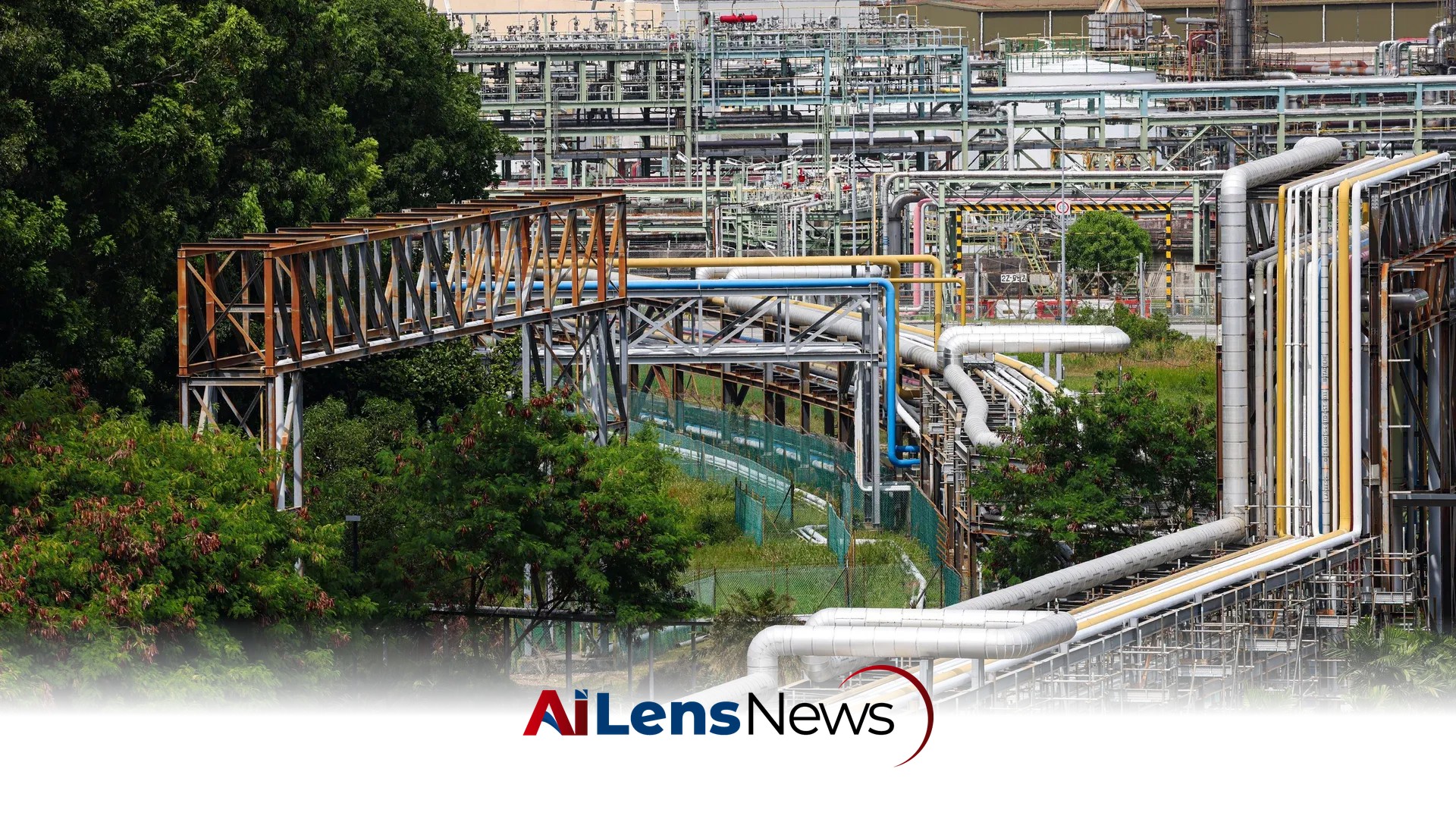


The recent Cabinet reshuffle in Singapore emphasizes the government's commitment to clean energy, appointing two co-ministers to the Ministry of Trade and Industry.
Singapore, Singapore Jul 22, 2026 ALN: [SINGAPORE] When a ministry has a triple-barrelled name, the impression might be one of bringing together loosely-related fields – as with the Ministry of Culture, Community and Youth, perhaps, or its predecessor, the Ministry of Community Development, Youth and Sports.
In the renaming of the Ministry of Trade and Industry (MTI), however, a different logic is at play. The name change is reflective of the evolving priorities of the Singaporean government, particularly in light of the growing emphasis on sustainability and clean energy. The inclusion of energy in the ministry’s title may appear to be a mere semantic adjustment, but it signifies a deeper commitment to integrating energy policy with trade and industrial strategy.
Energy matters have long been under the purview of MTI, as shown for instance by the placement of the Energy Market Authority (EMA) statutory board. This board has played a crucial role in regulating and promoting the electricity and gas sectors in Singapore. However, the recent Cabinet reshuffle indicates a heightened focus on energy as a core component of the nation’s economic strategy. The government recognizes that energy is not just a utility but a vital driver of economic competitiveness, industrial transformation, and long-term resilience.
The latest Cabinet reshuffle also shows Prime Minister Lawrence Wong’s willingness to test first-term officeholders, as he appointed two co-ministers to lead the newly named Ministry of Trade and Industry. This dual leadership structure signifies a strategic move to enhance focus on energy policies and initiatives, which are essential for Singapore’s ambition to be a leader in clean energy technology.
Singapore's commitment to clean energy is not merely a reaction to international pressures but is also rooted in its national interests. The country has limited natural resources and is heavily reliant on energy imports, which makes energy security a top priority. By investing in clean energy initiatives, Singapore aims to diversify its energy sources and reduce its carbon footprint, aligning with global trends towards sustainability and renewable energy sources.
As the world shifts towards greener solutions, Singapore's proactive approach in reshaping its energy landscape is expected to bolster its position in the global market. The government has set ambitious targets for reducing greenhouse gas emissions and increasing the adoption of renewable energy technologies. This includes investments in solar energy, wind power, and other innovative technologies that can help the nation transition to a more sustainable energy future.
Moreover, the reshuffle is also indicative of the government's recognition of the importance of technological innovation in achieving these goals. The integration of clean energy initiatives with industrial policies is expected to stimulate research and development in energy technologies, fostering an environment conducive to innovation. By creating a synergistic relationship between trade, industry, and energy, Singapore aims to not only meet its domestic energy needs but also position itself as a hub for clean energy solutions in the region.
The implications of this reshuffle extend beyond domestic policy; they resonate on a global scale as well. Singapore has been actively participating in international dialogues on climate change and sustainable development. By aligning its domestic policies with global sustainability goals, Singapore enhances its credibility and influence in international forums. This is particularly important as countries around the world are increasingly held accountable for their environmental policies and their contributions to global warming.
Furthermore, the dual leadership model could serve as a template for other countries looking to integrate energy policy with broader economic strategies. By having two ministers oversee the Ministry of Trade and Industry, Singapore is signaling the importance of collaboration and diverse perspectives in addressing complex challenges related to energy and sustainability.
In conclusion, the recent Cabinet reshuffle and the renaming of the Ministry of Trade and Industry highlight Singapore's strategic pivot towards clean energy. This move is not just about rebranding; it reflects a comprehensive approach to integrating energy policy with trade and industrial strategy. As Singapore navigates the challenges of energy security and climate change, its proactive stance on clean energy is expected to yield positive outcomes for its economy and its position in the global landscape.
As the nation embarks on this journey, stakeholders from various sectors, including businesses, researchers, and civil society, will play crucial roles in driving the transition towards a sustainable energy future. The government's commitment to fostering collaboration and innovation will be essential in realizing the vision of a clean energy economy, ensuring that Singapore remains resilient and competitive in an ever-evolving global landscape.
To further understand the implications of this reshuffle, it is important to consider the global context of energy transition. The world is currently facing significant challenges related to climate change, with rising temperatures leading to extreme weather events and impacting food security, health, and global economies. In response, many countries are ramping up their efforts to transition to renewable energy sources, reduce carbon emissions, and enhance energy efficiency. Singapore's move to prioritize clean energy aligns with these global trends, positioning it as a proactive player in the fight against climate change.
Additionally, Singapore's geographical location in Southeast Asia places it in a unique position to influence energy policies in the region. As a hub for trade and commerce, Singapore has the potential to lead by example, showcasing successful clean energy initiatives that other countries can emulate. The government's focus on clean energy can also attract foreign investments, particularly from companies that prioritize sustainability in their operations. This can lead to job creation in green sectors and stimulate economic growth while addressing environmental concerns.
Moreover, the dual leadership model in the Ministry of Trade and Industry could foster a more dynamic approach to policy-making. With two ministers at the helm, there is an opportunity for diverse viewpoints and expertise to shape energy policies that are not only effective but also innovative. This collaborative approach can lead to more comprehensive solutions that take into account the complexities of energy systems and the interplay between various economic sectors.
As Singapore continues to develop its clean energy strategy, public engagement and education will be vital. The government will need to communicate its goals and initiatives effectively to ensure that citizens understand the importance of transitioning to a sustainable energy future. This includes promoting awareness about energy conservation, the benefits of renewable energy, and the role individuals can play in reducing their carbon footprint.
In summary, Singapore's Cabinet reshuffle and the renaming of the Ministry of Trade and Industry represent a significant step towards a more sustainable energy future. The government's commitment to clean energy is not only a response to global challenges but also a strategic move to secure its economic future. By integrating energy policy with trade and industrial strategy, Singapore aims to position itself as a leader in clean energy technology, fostering innovation, collaboration, and resilience in an increasingly complex global landscape.
To learn more about the latest developments in Elections, stay updated with our exclusive reports and analyses on AiLensNews.

