

A two-day journey through Negeri Sembilan reveals the unique cultural and political dynamics shaping the election campaign, highlighting local sentiments and key issues.
Singapore, Singapore Aug 1, 2026 ALN: The election campaign trail in Negeri Sembilan offers a vivid glimpse into the local atmosphere, characterized by its distinct cultural heritage and political nuances. Over the course of two days, we traversed the state, observing the vibrant interplay of tradition and modernity that defines this Malaysian region. As the political landscape evolves, it is essential to understand the various factors that influence the electoral process in this unique state.
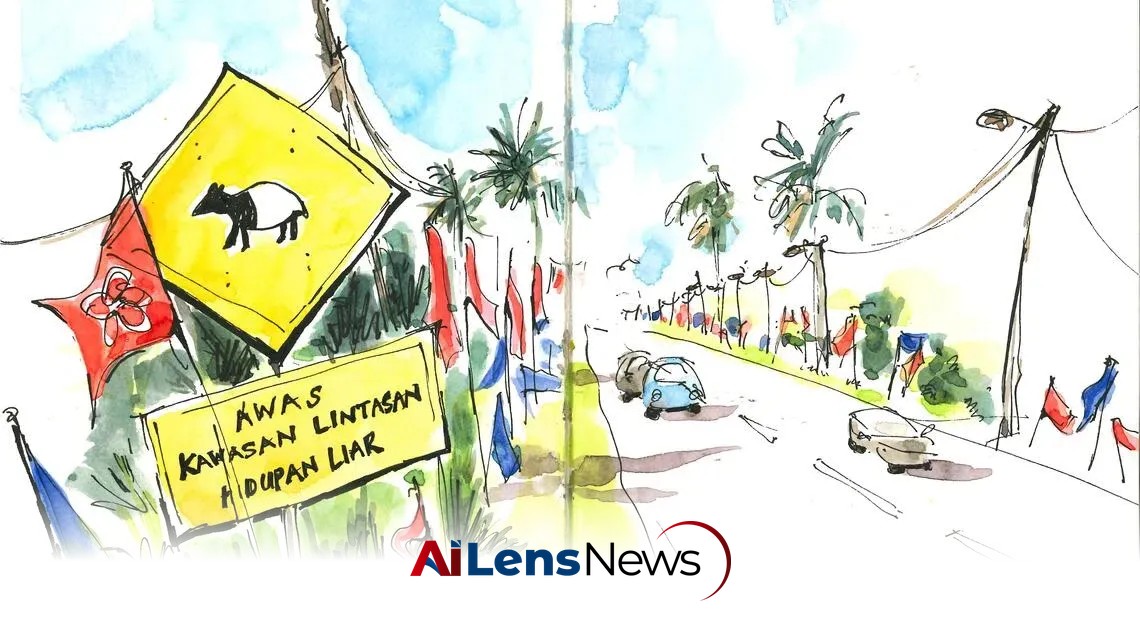
Federal Route 51 connects the state capital, Seremban, with Kuala Pilah to the east, cutting through the Ulu Bendul forest reserve. During the election campaign, red and blue party flags lined the road, far outnumbering the wildlife-crossing warning signs. This visual representation of political allegiance sets the tone for the local electoral landscape. The prominence of these flags signals not only the presence of political parties but also reflects the deep-rooted affiliations of the electorate, which can often be traced back through generations.
Locals often remark that things are different in Negeri Sembilan, a sentiment echoed in the region's unique architectural style. The roofs of traditional houses resemble sickles pointing skyward, a nod to the Minangkabau settlers from Sumatra who brought matrilineal customs centuries ago. This cultural heritage is a source of pride for many residents and plays a significant role in the state's political identity. The Minangkabau influence is evident not only in architecture but also in social structures, where women often hold significant power within families and communities.
In a departure from hereditary succession, the ruler of Negeri Sembilan is elected by four local chieftains from among the state’s royals. This unique system of governance reflects the state’s commitment to local traditions and customs, which can sometimes lead to political complexities. Recently, a dispute between these chieftains and the current ruler erupted into the open, leading to the proclamation of a challenger while state and federal leaders backed the incumbent. This power struggle culminated in the dissolution of the state assembly and the calling of snap polls on August 1, highlighting the volatile nature of state politics.
The implications of this political struggle extend beyond the immediate leadership contest. It raises questions about the stability of governance in Negeri Sembilan and the potential for shifts in voter loyalty. As candidates vie for support, they must navigate the intricate web of local loyalties, historical grievances, and the expectations of their constituents.
Each Friday, the state’s ruler, Tuanku Muhriz Tuanku Munawir, prays at a different mosque across Negeri Sembilan. Last week, Masjid Jamek Yamtuan Raden in Kuala Pilah welcomed him with a red carpet. As he exited the mosque, the crowd shouted “Daulat Tuanku!”, meaning “Long Live Tuanku”. The mosque, which can accommodate 1,500 worshippers, was filled to capacity, reflecting the ruler's significance in local culture. This weekly engagement not only reinforces the ruler's connection with the community but also serves as a platform for addressing local issues.
Such interactions are crucial in a state where cultural identity is intertwined with political allegiance. The ruler's presence at local events can sway public opinion and influence voter behavior, making it essential for political candidates to align their campaigns with the sentiments expressed during these gatherings.
Deep in the eastern interior of Negeri Sembilan lie the pioneer settlements known as FELDA, short for the Federal Land Development Authority. Once thriving with rubber trees, these estates are now largely covered by oil palms. However, years of financial mismanagement have tarnished their reputation as a “fixed deposit” for the Barisan Nasional (BN) coalition. The transformation of these settlements from agricultural hubs to oil palm plantations reflects broader economic trends in Malaysia, where the reliance on cash crops has shifted dramatically over the decades.
The current political climate complicates matters further, as BN is part of Prime Minister Anwar Ibrahim’s Pakatan Harapan (PH)-led government at the national level, yet cooperates with the opposition Perikatan Nasional at the state level. This duality creates a complex political environment where local needs may be overshadowed by national agendas. Zainal Fikri, the PH candidate for Sungai Lui, emphasizes the need for better housing and local jobs for the second and third generations of FELDA settlers, highlighting the ongoing economic challenges faced by these communities.
Transportation remains a hot topic in the region. At the old Seremban railway station, cranes hover above as construction progresses on a new RM100 million station building set to open in 2027. Young residents like Badrina Aqeelah Mohd Zawawi, who is pursuing a diploma in textile and clothing design, express frustration over transportation issues, highlighting the rising cost of living as a significant concern. The transportation infrastructure in Negeri Sembilan is critical not only for daily commuting but also for economic development and accessibility to job opportunities.
As the state prepares for the new station, there is hope that improved transport links will alleviate some of the burdens faced by residents. However, the long wait for completion raises questions about the effectiveness of planning and execution within the local government, which could influence voter sentiment in the upcoming elections.
This pop-up market in Kuala Pilah was selling discounted household staples, from cooking oil and onions to AA batteries. The Ministry of Domestic Trade and Cost of Living regularly runs such markets around the country to alleviate financial pressures on residents. However, many still feel the pinch of rising prices. The economic landscape in Negeri Sembilan is marked by challenges such as inflation and fluctuating commodity prices, which have a direct impact on the daily lives of residents.
The presence of such markets indicates an awareness of the economic struggles facing the population, yet they also highlight the limitations of government initiatives in addressing these issues comprehensively. As candidates campaign, they must address these economic concerns directly, proposing tangible solutions to alleviate the financial burdens that many families face.
As the campaign progresses, it is clear that the unique cultural identity and political dynamics of Negeri Sembilan will play a crucial role in shaping the outcomes of the upcoming elections. The blend of tradition and modern challenges creates a complex but fascinating electoral landscape. Voter engagement, driven by local issues and the influence of cultural heritage, will ultimately determine the direction of the state in the coming years. The interplay between local customs, economic realities, and political affiliations underscores the intricate nature of governance in Negeri Sembilan, making it a focal point in Malaysia's broader political narrative.
To learn more about the latest developments in Elections, stay updated with our exclusive reports and analyses on AiLensNews.

