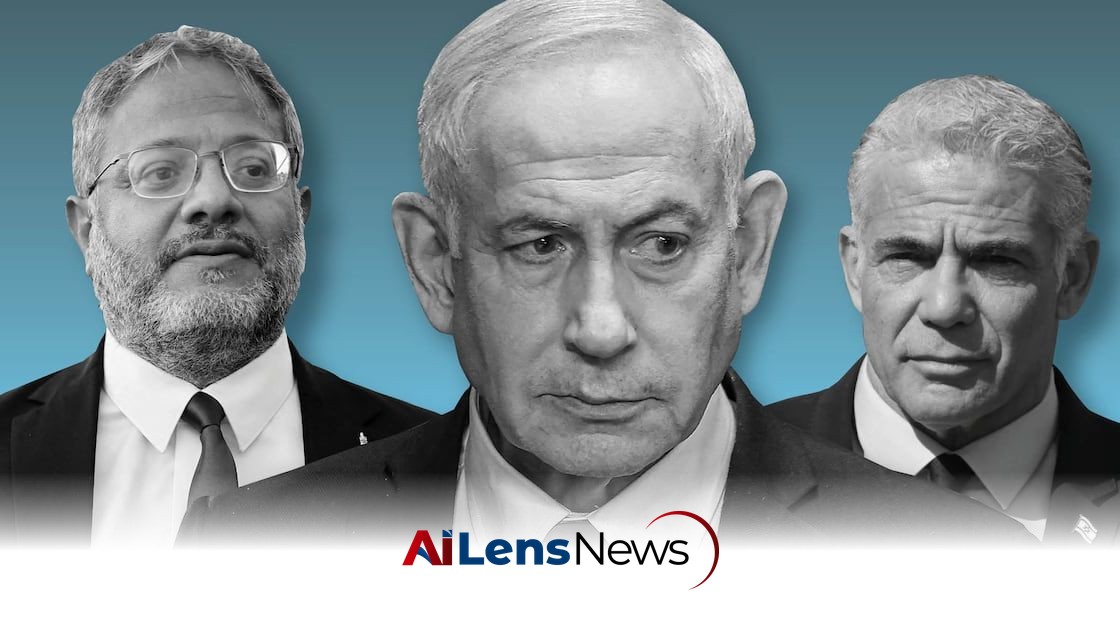


As Israel shifts rightward post-October 7 attacks, the viability of a liberal opposition remains in question amidst Netanyahu's enduring leadership.
Riyadh, Saudi Arabia Jul 25, 2026 ALN: The political landscape in Israel has undergone significant transformations over the past few years, particularly in light of the October 7 attacks, which were a pivotal moment for the nation and its leadership. The immediate aftermath of these attacks saw widespread speculation about the viability of Prime Minister Benjamin Netanyahu's administration. Many analysts and political experts predicted that Netanyahu, who had built his political identity on a platform of security, would be unable to withstand the fallout from what was described as the worst security disaster in Israel's history. The consensus was that his political career was nearing its end, and that he would not last another six months in office.
However, contrary to these predictions, Netanyahu has managed to not only survive but also thrive politically. As he approaches the conclusion of what is being heralded as the most successful Israeli government in half a century, it is crucial to reflect on the implications of this development. This period marks a historical milestone, as it is the first election cycle in Israel since 1988 in which the Knesset has completed its full term without interruption. This achievement, while perhaps unexpected, speaks volumes about the resilience of Netanyahu's political strategy and the dynamics of Israeli politics.
From this situation, two significant lessons can be derived. The first is a reminder not to underestimate Benjamin Netanyahu, a seasoned politician known for his ability to navigate crises and maintain his grip on power. The second lesson is a caution against underestimating the opposition in Israel, which has struggled to present a unified and compelling alternative to Netanyahu's government. While Netanyahu has faced scrutiny for his handling of security matters, his opponents have largely failed to articulate a coherent response or strategy that resonates with the electorate.
As Netanyahu continues to pursue his agenda, which many perceive as exacerbating regional tensions, his opponents seem to be mired in a cycle of ineffective communication. Recent events, such as National Security Minister Itamar Ben-Gvir leading a large group of Jewish worshippers to the Al Aqsa Mosque, highlight the contentious nature of religious and political intersections in Israel. Ben-Gvir's declaration of Jewish ownership over the site, which is the third holiest in Islam, underscores the provocative stance that many in the current government are willing to take. In contrast, the opposition's response has been largely muted, with their focus seemingly diverted to internal matters such as the conduct of the attorney general and the perceived embarrassment of the current coalition on the international stage.
This lack of a strong, coherent message from the opposition raises questions about their ability to connect with a disillusioned electorate. The political climate in Israel is complex, especially following the trauma of the October 7 attacks. The opposition faces the challenging task of addressing the concerns of a populace that is grappling with both security fears and international criticism. This includes navigating the sentiments of Jewish communities abroad, particularly in the United States, where figures like Rahm Emmanuel have publicly labeled Israel a "pariah" state.
In this context, the opposition's hesitance to engage with the realities of Palestinian suffering and the broader implications of the Israeli-Palestinian conflict is particularly troubling. There seems to be a prevailing belief that discussing these issues could alienate right-wing voters, thus complicating the opposition's electoral prospects. However, this avoidance may ultimately hinder their ability to present a viable alternative to Netanyahu's government. If the opposition cannot articulate a clear and courageous liberal vision now, there is little reason to believe they will be able to do so in the future, especially in the lead-up to elections.
The current state of Israeli society reflects a significant rightward shift, with less interaction between Israelis and Palestinians than ever before. This change is indicative of broader societal trends that have emerged in recent years, where nationalist sentiments have gained traction, often at the expense of liberal principles and dialogue. The political discourse has become increasingly polarized, with many citizens rallying around hardline positions that prioritize security and territorial integrity over compromise and coexistence.
One particular incident that encapsulates the challenges faced by the opposition occurred in February when Yair Lapid, a prominent centrist and leader of the opposition, was questioned about his stance on Israel's territorial ambitions. Lapid's response, which emphasized a desire for a "big, vast, strong land" while also acknowledging security considerations, illustrates the difficulty that centrist and left-leaning politicians face in articulating a clear vision that can appeal to a broad base of voters. His inability to provide a definitive answer regarding the extent of territorial control further highlights the complexities involved in addressing the Israeli-Palestinian conflict within the current political climate.
As the landscape continues to evolve, the future of liberalism in Israel remains uncertain. The opposition must grapple with the reality that their current strategies may not resonate with a populace that has shifted significantly to the right. The challenge lies not only in formulating a coherent message that addresses the pressing issues at hand but also in finding a way to engage with voters who may feel alienated or disenchanted with the political process.
In summary, the trajectory of Israeli politics in the wake of the October 7 attacks serves as a crucial case study in the resilience of political leadership and the challenges faced by opposition parties. Netanyahu's unexpected endurance in office highlights the complexities of governance in a nation grappling with security concerns and regional instability. Meanwhile, the opposition's struggle to articulate a compelling liberal vision raises important questions about the future of political discourse in Israel and the potential for meaningful change in a society increasingly defined by right-wing ideologies.
To learn more about the latest developments in Elections, stay updated with our exclusive reports and analyses on AiLensNews.

