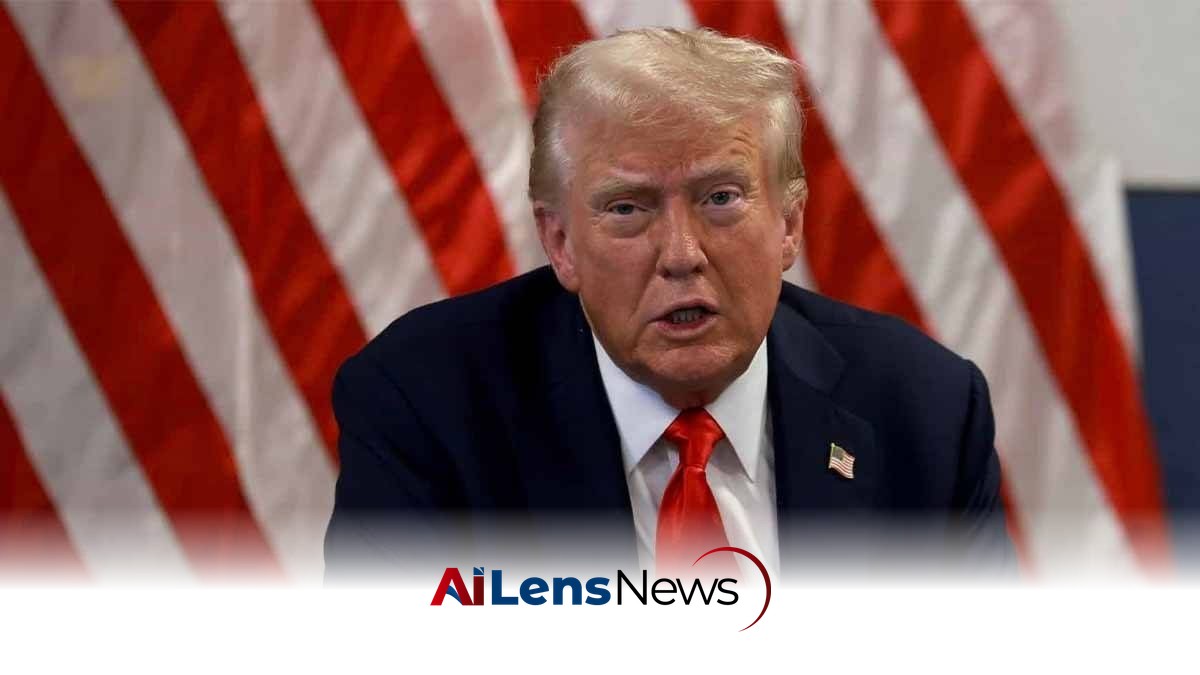



President Trump expressed satisfaction over the recent defence agreement signed by Saudi Arabia, Turkiye, and Pakistan, highlighting regional unity.
Doha, Qatar Aug 17, 2026 ALN: US President Donald Trump expressed his approval on Sunday regarding the recent signing of a defence pact among Saudi Arabia, Turkiye, and Pakistan. This agreement, known as the Mecca Joint Defence Agreement, marks a significant step in regional cooperation. The pact is expected to bolster military collaboration and enhance security arrangements among the three nations, which have historically held strategic importance in the geopolitical landscape of the Middle East and South Asia.
The Mecca Joint Defence Agreement comes at a time when the region faces numerous challenges, including ongoing conflicts, rising sectarian tensions, and the threat of terrorism. The agreement signifies an attempt by these nations to navigate their security concerns collectively, rather than relying solely on external powers. The involvement of Saudi Arabia, a leading Arab state; Turkiye, a key NATO member; and Pakistan, a pivotal player in South Asian geopolitics, underscores the diverse yet interconnected nature of regional security dynamics.
In a statement posted on his Truth Social platform, Trump stated, "Very happy to see that Saudi Arabia, Turkiye, and Pakistan have recently, and finally, signed the Mecca Joint Defence Agreement." He emphasized the importance of this pact in fostering unity within the Middle East. Trump's remarks reflect a broader US strategy that seeks to encourage regional alliances that can operate independently while still aligning with American interests.
Trump further remarked, "It shows how the Middle East is coming together, and how countries will finally be able to defend themselves in a more meaningful way." He described the agreement as a "BIG, BOLD, IMPORTANT FIRST STEP" towards enhanced security and collaboration among these nations. This sentiment resonates with ongoing efforts by the US to promote stability in a region often characterized by discord and rivalry.
The agreement is seen as a pivotal move in strengthening military ties and ensuring mutual defense among the three countries, reflecting a shift towards greater regional solidarity. Saudi Arabia has been increasingly proactive in forming alliances that transcend traditional rivalries, particularly in light of threats posed by Iran's influence in the region. Similarly, Turkiye has sought to assert its role as a regional power, often engaging in military operations across its borders to counter perceived threats.
Pakistan, on the other hand, has a complex relationship with both Saudi Arabia and Turkiye, rooted in historical ties and shared strategic interests. The strategic partnership could enhance Pakistan's military capabilities while providing Turkiye and Saudi Arabia with a reliable ally in South Asia, particularly as they navigate their own security challenges.
As tensions in the region continue to evolve, this pact could play a crucial role in shaping future diplomatic and military strategies. The agreement may also serve as a counterbalance to other regional coalitions, such as the Gulf Cooperation Council (GCC) and the various alliances formed in response to Iranian activities. Additionally, the Mecca Joint Defence Agreement could influence the dynamics of ongoing conflicts in the region, including the situation in Syria and the broader implications of US withdrawal from Afghanistan.
The implications of this agreement extend beyond military cooperation. Economically, the partnership could lead to increased trade and investment among the three nations, fostering a sense of interdependence that could contribute to long-term stability. The potential for joint military exercises, intelligence sharing, and defense technology collaboration could also enhance operational readiness and interoperability among their armed forces.
Overall, Trump's endorsement of the defence pact underscores the US's interest in fostering stability and cooperation in the Middle East, aligning with broader geopolitical objectives. The United States has historically played a significant role in Middle Eastern affairs, often acting as a mediator and security guarantor. However, as regional powers increasingly seek to assert their autonomy, the US may need to recalibrate its approach to foreign policy in the region, focusing on empowering local actors while ensuring that its strategic interests are maintained.
In conclusion, the Mecca Joint Defence Agreement represents not only a military alliance among Saudi Arabia, Turkiye, and Pakistan but also a potential shift in the geopolitical landscape of the Middle East and South Asia. As these nations embark on this new chapter of cooperation, the global community will be watching closely to see how this alliance will influence regional stability, security dynamics, and the balance of power in the years to come.
To learn more about the latest developments in Elections, stay updated with our exclusive reports and analyses on AILensNews.

