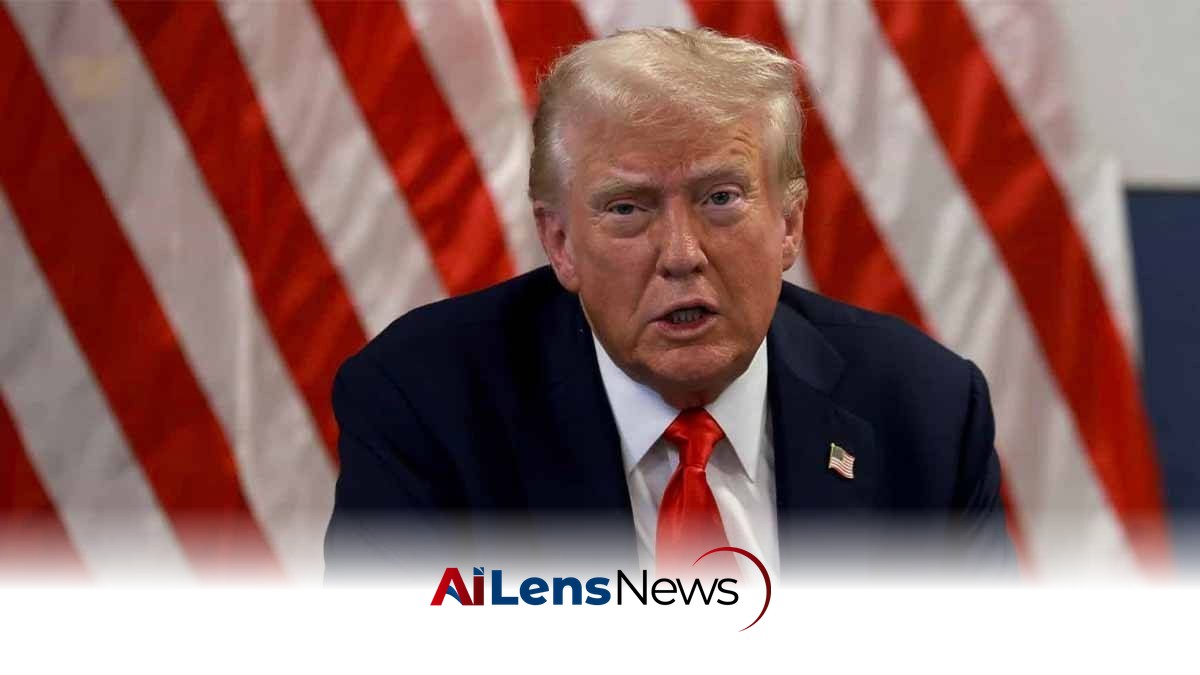


US President Donald Trump announced the suspension of US-Israeli strikes against Iran, contingent on reaching a swift agreement to address regional tensions.
Doha, Qatar Aug 2, 2026 ALN: US President Donald Trump announced early Sunday that he had suspended the planned US-Israeli strikes against Iran, following a request from Tehran and other countries in the Middle East, on the condition that a rapid agreement be reached. This development marks a significant moment in the ongoing tensions between the United States, Israel, and Iran, a relationship that has been fraught with conflict and diplomatic challenges for decades.
The backdrop to this situation is a long history of animosity and confrontation between the US and Iran, which began in earnest after the 1979 Iranian Revolution. The overthrow of the US-backed Shah led to the establishment of an Islamic Republic under Ayatollah Khomeini, which has since viewed the United States as a principal adversary. This animosity has manifested in various forms, including the Iran Hostage Crisis, economic sanctions, and military confrontations in the Persian Gulf. Over the years, Iran's nuclear ambitions have exacerbated these tensions, as the US and its allies fear that Iran's pursuit of nuclear technology could lead to the development of nuclear weapons, further destabilizing an already volatile region.
In a post on Truth Social, Trump wrote that the US was "locked and loaded and ready to go against the Islamic Republic of Iran, at levels of Military Terror, Strength, and Power not seen since World War II." This statement underscores the gravity of the situation, as Trump emphasized the military readiness of the United States and its allies in the region. However, he also acknowledged that Iran, along with other countries in the Middle East, requested the US to suspend any attack after agreeing on the broad outlines of a deal. This highlights a potential shift in strategy, where military might is tempered by diplomatic engagement.
The proposed agreement, as outlined by Trump, includes several critical components aimed at de-escalating tensions. One of the key elements is the immediate, complete, and total opening of the Strait of Hormuz, a vital waterway through which a significant portion of the world's oil supply is transported. The Strait of Hormuz has long been a flashpoint for conflict, with incidents of military confrontations and threats to shipping lanes being common occurrences. Any military action in the region could disrupt global oil markets and lead to widespread economic consequences, affecting not only the countries directly involved but also economies worldwide that rely on oil imports.
Additionally, the agreement aims to address Iran's nuclear ambitions, which have been a source of concern for the United States and its allies for years. The prospect of a nuclear-armed Iran has prompted fears of a regional arms race and heightened tensions among neighboring countries. Trump's emphasis on ending Iran's nuclear threat reflects a long-standing US policy aimed at preventing Tehran from acquiring nuclear weapons capabilities. The Joint Comprehensive Plan of Action (JCPOA), an agreement reached in 2015 between Iran and six world powers, sought to curb Iran's nuclear program in exchange for sanctions relief. However, the US withdrawal from the JCPOA in 2018 under Trump's administration led to increased tensions and a series of escalatory actions from both sides.
"Based on this request, I have agreed, for the future benefit of the WORLD and, likewise, the survival of a successful and prosperous Iran, to cancel the attack, subject to being able to rapidly make a DEAL," Trump wrote. His comments suggest a willingness to engage in diplomatic negotiations rather than resorting to military action, a shift that could have far-reaching implications for the stability of the Middle East. The potential for dialogue may also open avenues for discussions on broader issues, such as Iran's regional influence and its support for proxy groups in countries like Syria, Lebanon, and Yemen.
Israel's support for the delay in military action is also noteworthy. The Israeli government has historically viewed Iran as a primary threat to its national security, particularly due to Iran's support for militant groups in the region and its nuclear program. The collaboration between the US and Israel in addressing the Iranian threat has been a cornerstone of their alliance, and Israel's endorsement of a diplomatic approach may indicate a strategic recalibration in their dealings with Tehran. This shift could reflect a recognition that military action may not yield the desired outcomes and that a more nuanced approach may be necessary to address the complexities of Iran's role in the region.
The backdrop to Trump's announcement is a region already fraught with tension. Over the past few weeks, there have been increasing reports of military preparations by the US and Israel for potential strikes against Iranian targets, particularly in light of stalled diplomatic efforts. These preparations have raised alarms not only in Iran but also among other nations in the region, prompting calls for restraint and dialogue. The potential for miscalculation or accidental escalation remains high, particularly in a region where military assets are closely positioned and tensions run deep.
In conjunction with Trump's remarks, US embassies in several Middle Eastern capitals issued warnings to American citizens, advising them to prepare for the possibility of unexpected escalation in the region. This advisory underscores the precarious nature of the situation and the potential for conflict to erupt suddenly, impacting not just military personnel but civilians as well. The safety and security of American citizens abroad are a priority for the US government, and these warnings reflect a broader concern about the implications of military action on regional stability.
The implications of this announcement extend beyond immediate military concerns. The potential for a diplomatic resolution could pave the way for a broader dialogue on regional security, particularly as it pertains to Iran's influence in the Middle East. The Gulf states, many of which have been wary of Iran's actions, may find themselves reassessing their own security strategies in light of any agreements reached between the US and Iran. A successful diplomatic effort could also lead to a more unified front among Gulf states in addressing common security challenges, potentially reducing the likelihood of future conflicts.
Furthermore, the global energy markets are likely to be affected by any developments in the region. The Strait of Hormuz is a crucial chokepoint for oil shipments, and any military conflict could lead to disruptions that would send shockwaves through the global economy. As such, the international community will be closely monitoring the situation, as any military action could have far-reaching consequences for energy prices and supply chains. Countries heavily reliant on oil imports may experience economic instability, which could lead to broader geopolitical ramifications.
In conclusion, President Trump's suspension of planned strikes against Iran reflects a complex interplay of military readiness and diplomatic overtures. While the immediate threat of military conflict may have been averted, the underlying tensions remain unresolved. The international community, particularly nations in the Middle East, will be watching closely as negotiations unfold, hoping for a peaceful resolution to a longstanding conflict that has implications for regional and global stability. The coming days and weeks will be critical in determining whether diplomatic efforts can succeed in de-escalating tensions and fostering a more stable environment in the Middle East.
To learn more about the latest developments in Political Controversies, stay updated with our exclusive reports and analyses on AiLensNews.

