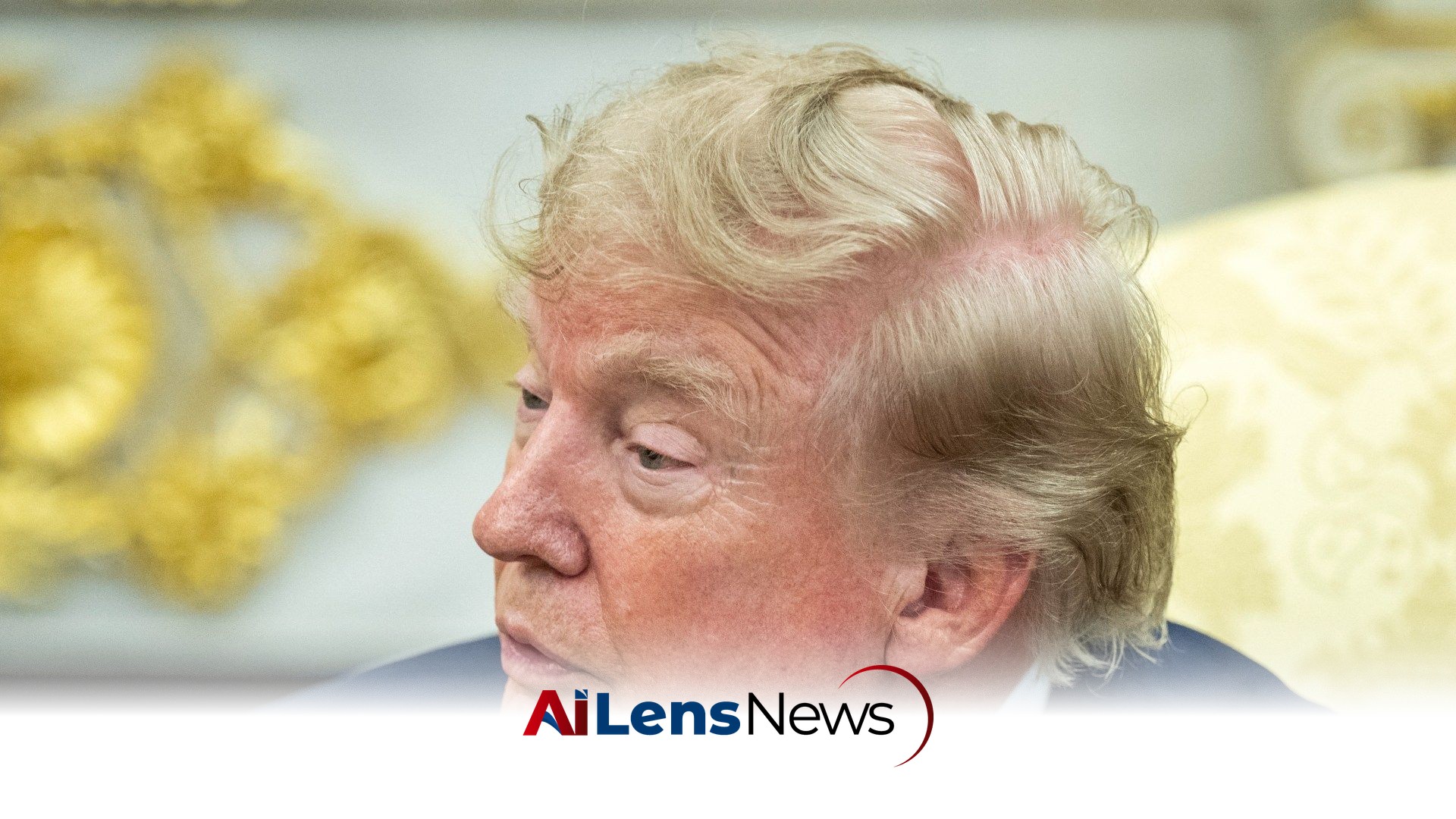


As the Memorandum of Understanding between the US and Iran expires, President Trump calls for Iran to surrender, intensifying diplomatic tensions.
Doha, Qatar Aug 18, 2026 ALN: In a significant escalation of diplomatic tensions, US President Donald Trump has publicly rejected the extension of the Memorandum of Understanding (MoU) with Iran, which expired recently. This announcement comes amid ongoing concerns regarding Iran's activities in the strategically vital Strait of Hormuz, a key maritime route for global oil shipments. The decision reflects a broader shift in US foreign policy towards Iran, characterized by a hardline approach that has been in place since Trump took office.
During a press briefing, Trump stated that Iran should 'put up the white flag of surrender,' indicating a firm stance against the nation. This rhetoric aligns with the administration's previous statements that have increasingly favored confrontation over diplomacy. The MoU, which was intended to facilitate dialogue and reduce hostilities, has been a point of contention between the two nations, and its expiration raises questions about future diplomatic engagements and the potential for military confrontation.
The MoU was established to address various issues, including maritime security and regional stability, particularly in the context of the ongoing tensions in the Middle East. It aimed to create a framework for dialogue, allowing both countries to address grievances and work towards de-escalation. However, both countries have accused each other of failing to adhere to the terms, leading to heightened tensions. The expiration of the agreement has removed a key mechanism for communication and conflict resolution, prompting fears that misunderstandings could spiral into conflict.
Since the US withdrew from the Joint Comprehensive Plan of Action (JCPOA) in 2018, relations between the two countries have deteriorated significantly. The Trump administration's re-imposition of stringent sanctions on Iran has crippled its economy and fueled resentment among Iranian leaders. In response, Iran has gradually reduced its compliance with the nuclear deal, escalating its nuclear activities and provoking further international concern. The MoU was seen as a potential avenue for easing some of these tensions, but with its expiration, the diplomatic landscape appears increasingly bleak.
The Strait of Hormuz is a critical chokepoint for global oil shipments, with approximately 20% of the world's oil passing through this narrow waterway. Any escalation in military actions in this region could have severe implications for international trade and energy prices. Experts warn that without a framework for dialogue, misunderstandings and miscalculations could lead to conflict, potentially involving other regional players.
In recent months, there have been numerous incidents in the Strait of Hormuz, including the seizure of oil tankers and attacks on shipping vessels, which have raised alarms about the security of maritime navigation in the area. The US has increased its military presence in the region as a deterrent, signaling its commitment to protecting its interests and those of its allies. However, this military buildup may also provoke further Iranian aggression, leading to a dangerous cycle of escalation.
Responses from international leaders have varied, with some calling for renewed diplomatic efforts while others support Trump’s hardline approach. European countries, which were part of the JCPOA, have expressed concern over the US's withdrawal and the subsequent escalation of tensions. They have urged both parties to return to the negotiating table, emphasizing the need for a diplomatic resolution to prevent further conflict.
Conversely, some regional allies of the US, particularly those in the Gulf Cooperation Council (GCC), have welcomed Trump's rejection of the MoU, viewing it as a necessary step in countering Iranian influence in the region. However, there are fears that a lack of dialogue could lead to unintended consequences, including a wider conflict that could engulf the region.
As the US and Iran navigate this precarious moment, the expiration of the MoU marks a pivotal point in their relationship. The coming days will be crucial in determining whether further diplomatic efforts can be made or if tensions will escalate into a more serious confrontation. The international community is closely monitoring the situation, aware that the stakes are high, not only for the US and Iran but for global stability and security.
In the absence of a clear path forward, both nations must grapple with the implications of their actions and the potential for conflict. The challenge will be finding a way to engage in constructive dialogue while managing the risks associated with military posturing and aggressive rhetoric. As history has shown, the consequences of miscommunication and miscalculation in this volatile region can be dire, and the world watches closely as events unfold.
To learn more about the latest developments in Political Controversies, stay updated with our exclusive reports and analyses on AiLensNews.

