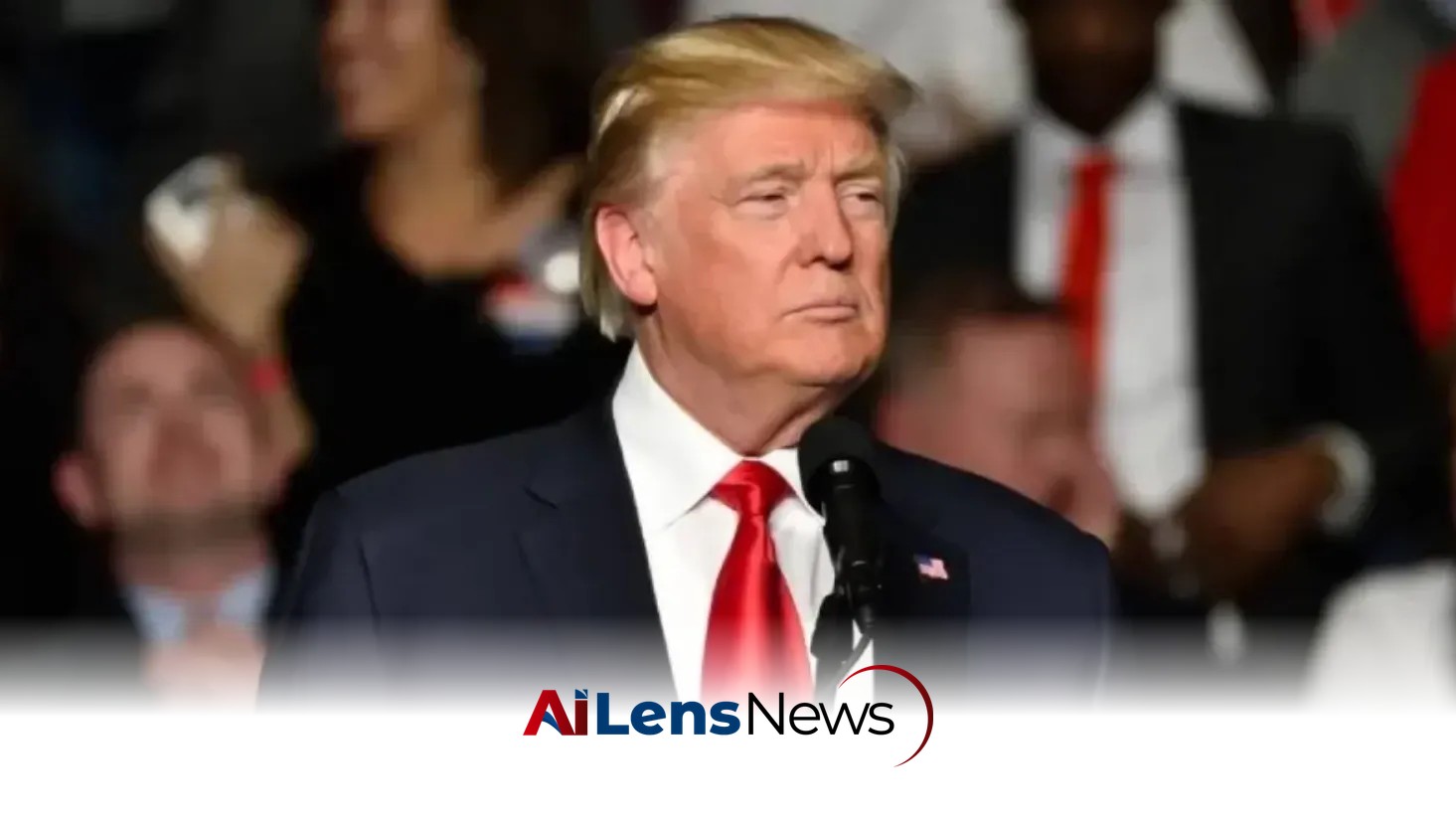


US President Donald Trump reveals a peace deal aimed at disarming Hamas and withdrawing Israeli forces from Gaza, expressing gratitude to Qatar and other mediators.
Doha, Qatar Aug 1, 2026 ALN: US President Donald Trump announced a historic agreement to disarm Hamas and withdraw Israeli forces from the Gaza Strip, expressing his gratitude to Qatar and the mediators for their efforts in reaching the agreement. This announcement marks a significant moment in the ongoing Israeli-Palestinian conflict, which has seen decades of violence, failed negotiations, and humanitarian crises. The complexity of the situation in Gaza and the broader Israeli-Palestinian conflict has been characterized by a series of events that have contributed to a cycle of violence and instability.
In a post on Truth Social, Trump stated: “Today, the Peace Council reached a historic agreement for the complete disarmament of Hamas and all other armed groups in Gaza. This is a tremendous step toward lasting peace and security.” The statement reflects a broader desire for stability in the region, which has been marred by conflict and suffering on both sides. The Israeli-Palestinian conflict has roots that extend back to the early 20th century, with territorial disputes and differing national aspirations leading to numerous wars and uprisings. The historical context of this conflict includes the establishment of the state of Israel in 1948, subsequent Arab-Israeli wars, and the ongoing disputes over land and sovereignty.
The agreement, as outlined by Trump, will be implemented through carefully structured phases; as disarmament is complete, Israeli forces will withdraw. This phased approach is critical, as it aims to ensure that the process is orderly and that all parties adhere to the terms set forth in the agreement. The presence of Israeli forces in Gaza has been a contentious issue, often cited as a major factor in the ongoing violence and instability in the region. The Israeli military presence has been justified by the government as necessary for security reasons, particularly in response to rocket attacks and other forms of violence emanating from Gaza. However, many Palestinians view this presence as an occupation, contributing to their grievances and the cycle of violence.
Trump expressed his gratitude to Qatar, saying: “I would like to thank the mediators Egypt, Qatar, and Turkey for their important efforts, and especially my outstanding team who made this historic breakthrough possible.” The role of Qatar in mediating peace agreements has been significant in recent years, as the country has positioned itself as a key player in Middle Eastern diplomacy. Qatar's involvement has often been viewed as controversial, given its historical support for Hamas, but it has also been seen as a necessary component in facilitating dialogue between conflicting parties. The Qatari government has provided financial support to Gaza, which has led to accusations of complicity in the actions of Hamas, yet it has also acted as a conduit for humanitarian aid and negotiations aimed at reducing hostilities.
He described the agreement as ‘a major historic achievement in the implementation of the Trump 20-point plan’ to end the war. The Trump administration's 20-point plan, which was unveiled in early 2020, aimed to provide a framework for peace by addressing key issues such as borders, security, and the status of Jerusalem. The plan was met with mixed reactions, with some viewing it as a potential path to peace while others criticized it for being biased toward Israeli interests. Critics pointed out that the plan did not adequately address Palestinian aspirations for statehood or the right of return for refugees, raising concerns about its viability as a comprehensive solution to the conflict.
As part of the agreement, Trump announced that an international stabilization force will work with a new Palestinian police force to assume responsibility for Gaza. This aspect of the agreement is crucial, as it aims to ensure that law and order are maintained in the region during the transition period. The establishment of a Palestinian police force is intended to provide a local governance structure that can effectively manage security and public order, which has been a significant challenge in Gaza. However, the success of this police force will depend on its ability to gain the trust of the local population and operate independently of Hamas, which has historically held significant power in the region.
The implications of this agreement are far-reaching. If successfully implemented, it could lead to a reduction in violence and a new framework for peace negotiations. However, skepticism remains among many observers, who question whether Hamas will comply with disarmament and whether the Israeli government will fully withdraw its forces. The history of peace agreements in the region is fraught with setbacks, and the path to lasting peace is often complicated by political dynamics, both within Israel and the Palestinian territories. The internal political situation in both Israel and the Palestinian territories could impact the agreement's implementation. In Israel, the government must contend with various factions that may oppose concessions, while in Palestinian territories, there are divisions between Hamas and the Palestinian Authority, which could complicate the disarmament process.
Additionally, the role of the international community will be critical in ensuring the success of this agreement. The involvement of countries like Egypt, Qatar, and Turkey suggests a collaborative effort to stabilize the region, but the effectiveness of this collaboration will depend on the willingness of all parties to engage constructively. The potential for renewed violence cannot be overlooked, especially if either side perceives that the terms of the agreement are not being honored. The historical precedent of previous agreements, such as the Oslo Accords, highlights the fragility of peace efforts in the region, where trust is often in short supply.
Moreover, the humanitarian situation in Gaza remains dire, with many residents facing shortages of basic necessities, including food, water, and medical supplies. The international stabilization force and the new Palestinian police force will need to address these urgent humanitarian needs to foster goodwill among the population and promote a more stable environment. The success of the agreement may hinge on the ability to improve daily life for Gazans, which has been severely impacted by years of conflict and blockade. Humanitarian organizations have consistently reported on the deteriorating conditions in Gaza, emphasizing the need for immediate assistance and long-term solutions to the underlying issues.
In conclusion, while the announcement of this historic agreement by President Trump represents a potential turning point in the Israeli-Palestinian conflict, its success will depend on the commitment of all parties involved to adhere to its terms and work towards a sustainable peace. The coming months will be critical in determining whether this agreement can lead to a significant reduction in violence and a pathway to a more stable and secure future for both Israelis and Palestinians. The challenges ahead are substantial, but the hope for a peaceful resolution remains a goal that many in the region and the international community continue to strive for.
To learn more about the latest developments in Elections, stay updated with our exclusive reports and analyses on AiLensNews.

